DESTINATION

CAMBODIA

INTRODUCING CAMBODIA

Cambodia, often referred to as the “Kingdom of Wonder”, is a spellbinding Southeast Asian destination known for its awe-inspiring ancient temples, lush landscapes, and resilient culture.


Steeped in history, Cambodia offers a profound journey through time—from the glory of the Khmer Empire to the echoes of more recent history—intertwined with the warm hospitality of its people.


From the majestic temples of Angkor Wat in Siem Reap and the colonial charm of Phnom Penh to the idyllic islands of the south and the remote highlands of Mondulkiri, Cambodia offers an array of immersive experiences for curious travellers.


The country’s terrain includes sprawling lowlands, tropical rainforests, and the expansive Tonlé Sap Lake, Southeast Asia’s largest freshwater lake.

Featured CAMBODIAN Hotels

Cliffside resort with multiple tiers, swimming pool, and dining areas. Lush green foliage surrounds the buildings.

SIX SENSES KRABEY ISLAND

Six Senses Krabey Island offers an oasis of indulgence and exclusivity amidst the stunning beauty of Cambodia's coastline.

FIND OUT MORE

Where travel meets purpose

CAMBODIA Quick Guide

A black and white icon of two speech bubbles with chinese characters on them.

Khmer


A black and white drawing of a dollar , euro , and pound coins.

Cambodian Riel (KHR);

US dollars widely accepted

A black and white drawing of a phone on a white background.

Code +855

A black and white globe with a clock inside of it.

UTC/GMT

+7 Hours

A black and white icon of a plug with a lightning bolt on it.

Type A/C/G (230 Volt, 50 Hz)

A black and white drawing of an airplane and a clock.

12-13 Hours from UK

CAMBODIA’s Unique Experiences 

 Cambodia’s essence lies in its deep spiritual roots, inspiring heritage, and natural beauty.


A'ARU Collective curates responsible luxury experiences that immerse you in the soul of the country while fostering environmental and cultural integrity.


To book experiences, please contact us
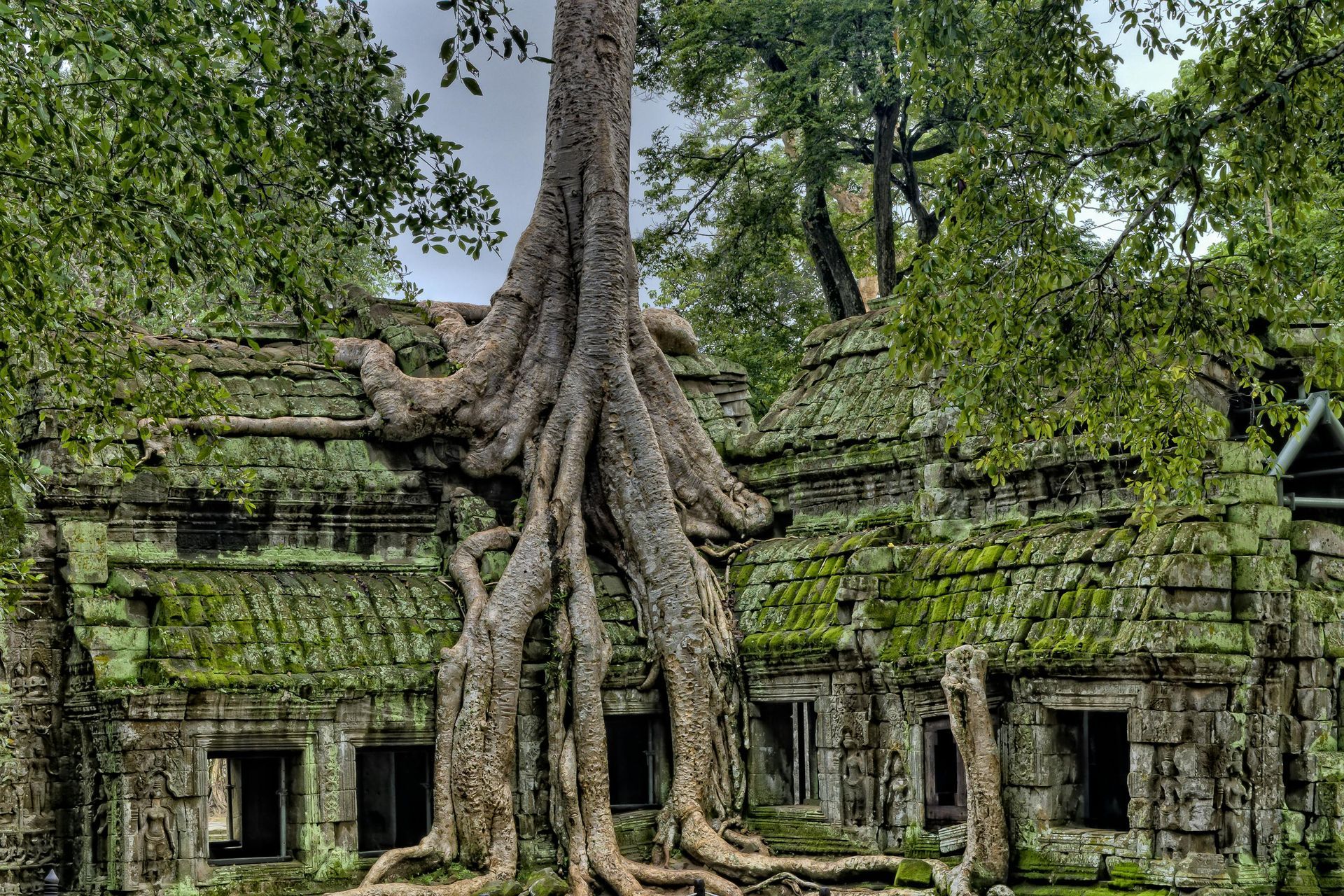
Ancient temple ruins with large tree roots growing over the stone structures.

Angkor Wat behind the scenes

Go beyond Angkor Wat's facade! Explore hidden wonders with a conservation expert and witness meticulous restoration efforts.

Enjoy this exclusive experience combining history and conservation projects.

Walking Introduction to Siem Reap

Arriving in a new city is exciting, and this introductory walking tour will acquaint you with Siem Reap.

From spirit shrines to Angkor sculpture, royal gardens to historic temples,

get an interesting overview of Cambodian culture and history, which provides valuable insight before going

out on other tours around Siem Reap and the Angkor Temple complex.

Temples and Countryside by Bicycle

Cycling on the back roads, through the exotic countryside of northwest, Siem Reap provides

an opportunity to savour local life and culture, including pastoral countryside,

an 11th century temple where a monk offers insight on Buddhism,

and a boat ride to an Angkor-era temple at the centre of an ancient reservoir.

TRAVEL ETIQUETTE

Respect Thailand’s Local Culture and Traditions

  • Dressing Respectfully

    A woman is standing in front of a statue holding a flower.

    When visiting temples or rural areas in Thailand, wear modest attire. Ensure your shoulders and knees are covered to show respect for local customs and traditions.

  • Temple Etiquette

    A white building with a red roof is surrounded by trees and bushes
    • Remove your shoes before entering temples.
    • Keep your head lower than Buddha statues.
    • Avoid pointing your feet towards Buddha statues.
  • Cultural Greetings

    A man in a yellow shirt is standing in front of a building with his hands folded.
    • Embrace the traditional Thai greeting, the wai, by placing your hands together in a prayer-like gesture and bowing slightly, especially when greeting elders and monks.
    • Reserve the wai for hands-free moments when handling street food or settling bills; opt for a friendly nod or bow instead.
  • Proper Use of Hands

    A woman is standing in front of a food stand holding a drink.
    • Use your right hand for passing items and financial transactions.
    • Keep your left hand discreetly in the background
    • Avoid Pointing: Summon someone with a friendly wave and palm facing up instead of pointing.
    • Respect Feet: Keep your feet grounded and avoid pointing them at people or religious objects
    • Sacred Heads: Treat heads as sacred and avoid touching others' heads.
    • Respect Monks: Show appreciation for monks from a distance and avoid physical contact.
    • Thai Smile: Use the Thai smile as a universal key to making friends and connecting with locals.

Being Environmental Responsible in Thailand

  • Luxury Without Plastic

    A sign for a restaurant is surrounded by umbrellas hanging from the ceiling.

    Carry a reusable,  water bottle and refuse single-use plastics. Most Luxury hotels now offer water refill stations.

  • Ethical Wildlife Experiences

    A man and woman are riding on the back of an elephant.

    Choose private experiences that prioritise animal welfare, such as visits to ethical sanctuaries and conservation programs over elephant riding or tiger temples.

  • Leave No Trace

    A person is standing on a wooden bridge in the jungle.

    Whether hiking in the mountains or lounging on the beach, ensure that all waste is responsibly disposed of and leave the natural surroundings untouched.

Supporting Thailand’s Local Communities

  • Invest in Local Artisans

    A woman is standing in a crowded market and smiling.

    Purchase quality, locally-made products from artisans and markets. This supports the economy and preserves traditional crafts.

  • Gourmet Local Dining

    A pot of soup is sitting on a wooden table.

    Savour meals at locally-owned restaurants that offer authentic Thai cuisine with a modern twist, supporting local chefs and farmers.

  • Luxury Eco-Lodging

    A house is sitting on a small island in the middle of a lake surrounded by trees.

    Choose accommodations that combine luxury with sustainability, such as boutique hotels and resorts that prioritise local ownership, a circular economy and environmental responsibility.

Transportation Choices around Thailand

  • Eco-Luxury Transport

    A man in a uniform is standing at a train station

    Opt for sustainable transport options such as train travel and hybrid or electric luxury cars provided by recognised hoteliers or reputable Destination Management Companies (DMCs) or Ground Handlers.

  • Exclusive Bicycle Tours

    A blue bicycle with a basket is parked in front of a white wall

    In cities like Chiang Mai, enjoy exclusive guided bicycle tours that allow you to explore while minimising your carbon footprint.

Thailand’s Wildlife and Nature Conservation 

  • Marine Conservation

    A sea turtle is swimming in the ocean with the sun shining through the water.

    When enjoying diving or snorkeling experiences, avoid touching coral reefs and marine animals. Use quality reef-safe sunscreen to protect the underwater ecosystem.

  • Collaborative Clean-Up Events

    A building with a sign that says jasmine on it

    Participate in clean-up efforts, often organised by NGOs or luxury resorts, to help maintain beaches, forests, and other natural areas.

  • Adhere to Park Regulation

    A monkey standing on top of a stone pillar

    Follow rules and guidelines in national parks to minimise your impact on wildlife and their habitats, ensuring that these pristine environments remain unspoiled.

Luxury travel in Thailand can be both bountiful and responsible. By practicing sustainable travel etiquette, you can enjoy the country's beauty while making a positive impact on its environment, culture, and local communities. Travel mindfully, ensuring that Thailand remains a breathtaking and welcoming destination for generations to come.

responsible TRAVEL ETIQUETTE for CAMBODIA

As Cambodia continues to welcome international travellers, it's important to travel respectfully and consciously. Understanding local customs, traditions, and sensitivities ensures a richer, more meaningful journey.

Respecting Cambodia’s Local Culture and Traditions

  • Dressing Respectfully

    Especially in temples, pagodas, and rural communities, modest dress is essential. 


    Ensure shoulders and knees are covered and avoid tight or revealing clothing.

  • Temple Etiquette

    When visiting temples in Cambodia, dress modestly by covering your shoulders and knees, remove your shoes before entering, and maintain a quiet, respectful demeanor. 


    Ask permission before taking photos, avoid touching sacred objects, and observe rituals politely. 


  • Cultural Greetings

     The traditional greeting, sampeah, involves placing palms together in front of the chest with a slight bow


    Higher gestures indicate greater respect, particularly toward elders and monks


    Handshakes are becoming more common but should be gentle


  • Proper Use of Hands

    Use your right hand or both hands when giving or receiving


    Avoid pointing directly at people—gesture with your whole hand


    Avoid touching anyone’s head or showing the soles of your feet


Being Environmentally Responsible in Cambodia 

  • Life Without Plastic

    Carry a reusable bag and water bottle; Many resorts and cafes offer water refill stations.


  • Ethical Wildlife Experiences

    Avoid elephant rides or animal shows. Instead, visit sanctuaries that prioritise animal welfare, such as Phnom Tamao Wildlife Rescue Centre.

  • Leave No Trace

    Whether trekking in the Cardamom Mountains or lounging on Koh Rong, ensure you pack out what you bring in.

Supporting Cambodia’s Local Communities

  • Invest in Local Artisans

    Buy directly from social enterprises and craft cooperatives offering handmade silks, silverwork, and traditional ceramics.t.

  • Local Dining

    Dine at family-run eateries and social enterprises like training restaurants that empower vulnerable communities.

  • Authentic Lodging

    Choose accommodations that combine luxury with sustainability, such as boutique hotels and resorts that prioritise local ownership, a circular economy and environmental responsibility.

Transportation Choices around Cambodia

  • Transport

    Opt for bus or rail travel where available, or choose electric tuk-tuks and car services offered by eco-conscious operators.

  • Cycling and Walking Tours

    Explore Siem Reap, Phnom Penh, and Battambang on foot or bicycle to experience their authentic rhythm and reduce emissions.

Cambodia’s Wildlife and Nature Conservation 

  • Marine Conservation

    Use reef-safe sunscreen and avoid disturbing marine life when diving or snorkelling around Cambodia’s southern islands.

  • Collaborative Clean-Up Events

    Join conservation efforts and clean-up days led by NGOs and eco-resorts, particularly along rivers and beaches.

  • Adhere to Park Regulation

    Whether in Botum Sakor National Park or Virachey National Park, follow all guidelines and respect wildlife habitats.

Ultimate Packing Guide for  CAMBODIA

Cambodia’s diverse terrain—from jungles and rivers to beaches and cities—means packing smartly is key to comfort and cultural respect.

General Packing Tips for Cambodia

  • General Packing Tips for Cambodia

    Climate Considerations:


    • Dry Season (Nov–Apr): Hot and dry; breathable clothing recommended

    • Green Season (May–Oct): Humid with afternoon showers; pack light rain gear

    • Highlands: Slightly cooler, especially in the evenings


    Respect Local Customs

    Dress modestly when visiting religious or rural areas. Avoid sleeveless tops and short shorts.


    Versatility is Key

    Quick-dry fabrics, neutral colours, and layered pieces are practical and culturally sensitive.


  • Best Clothing to pack for Cambodia

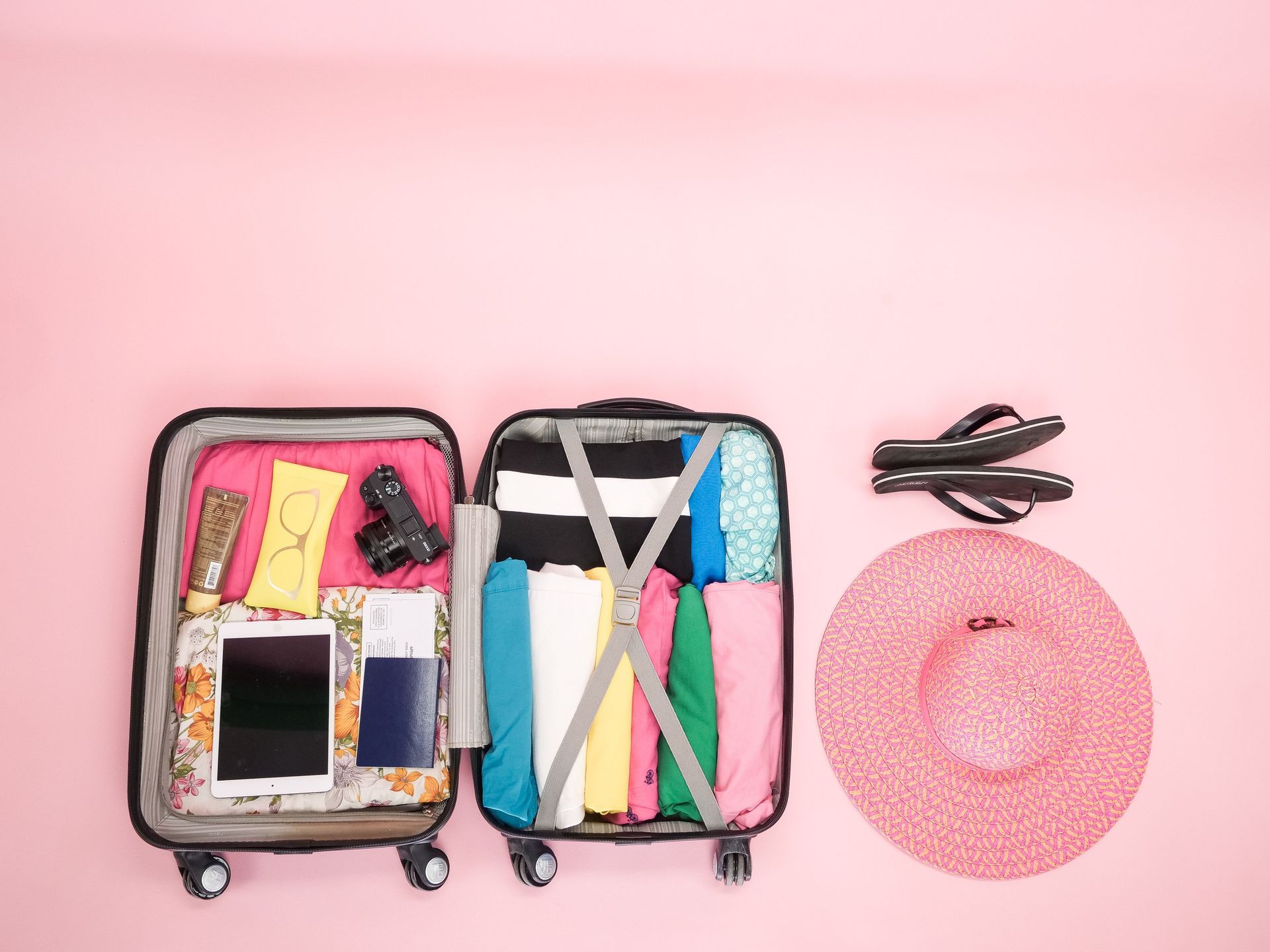
    Lightweight Clothing: Opt for breathable, durable fabrics like organic cotton, hemp, and linen. These materials keep you cool and are comfortable for all-day wear.


    Tops and Bottoms: Pack a mix of short-sleeve and long-sleeve tops, lightweight trousers, and shorts. These should be versatile and easily layered.


    Dresses and Skirts: Lightweight and breathable dresses and skirts are great for casual wear and can be easily dressed up or down. Ensure they are knee-length or longer for temple visits.


    Swimwear: Choose swimwear that dries quickly and resists fading from chlorine or salt water.


    Waterproof Jacket: A lightweight, packable rain jacket is essential during the rainy season.


    Layers: Despite the generally warm climate, a lightweight cardigan or jumper can be useful for cooler evenings or air-conditioned environments.


  • Best Footwear for Cambodia

    Footwear should match your adventure level: walking sandals or comfy trainers are great for everyday exploring, while sturdier hiking shoes are needed for jungle trails.


    A pair of flip-flops is always useful for beach outings or relaxing evenings.


  • Sun Protection whilst in Cambodia

    Hats: A wide-brimmed hat is crucial for protecting your face from the intense sun.


    Sunglasses: Choose sunglasses with 100% UV protection and a durable design.


    Cover-ups: A convertible wrap or cover-up is incredibly versatile. It provides sun protection, a modesty layer for temple visits, and warmth during cool evenings or flights.


    Opt for reef-safe sun block.

  • Essential Packing Items for Cambodia

    Adapters: A universal adapter is crucial for keeping your devices charged. 


    Umbrella: A compact, sturdy umbrella is useful for both sun and rain protection.


    Reef-Safe Suncream: High SPF, reef-safe sunscreen is essential due to Indonedia's high UV index. Purchase this before you go, as local options may be limited and expensive. Look for eco-friendly, biodegradable formulas.


    Insect Repellent: Essential year-round, choose a formula that is effective against heat and sweat. Natural options with ingredients like citronella or eucalyptus oil are preferable.


    First-Aid Kit: Bring any specific medications you require, as they may be difficult to find locally. A basic first-aid kit should include motion-sickness medicine, bug spray, and any other personal health items.

  • Sustainable Travel Tips for Cambodia

    Reusable Water Bottle: Cambodia's heat makes staying hydrated essential. Bring a reusable water bottle to reduce plastic waste.


    Reusable Shopping Bags: These are handy for carrying your purchases and reducing plastic bag use.


    Eco-Friendly Travel Accessories: From bamboo toothbrushes to biodegradable shampoo bars, consider packing items that minimise your environmental impact.

CAMBODIA’s Culture

Cambodia’s vibrant culture is woven from ancient traditions, lively festivals, intricate arts and crafts, and deeply rooted customs. Festivals like Bon Om Touk (Water Festival) and Pchum Ben (Ancestors’ Day) fuel community spirit through water-lanterns, boat races, and remembrance rituals.

Religious customs such as ancestor veneration and respect for monks profoundly shape daily life.


Cambodian arts and crafts—from elegant silk weaving and lotus-fibre textiles to graceful Apsara dance and detailed woodcarving—reflect centuries of creative heritage. Together, these elements form a living cultural mosaic that invites travellers to deeply engage with Cambodia’s enduring traditions 

Cambodia’s Festivals

Festivals in Cambodia blend spirituality, community, and seasonal celebration. They offer visitors a window into Cambodian beliefs and shared heritage. 

Here are five Cambodia festivals to experience:

  • Bon Om Touk (Water Festival)

    When: Mid-November (full moon)


    Where: Nationwide, epicentre in Phnom Penh


    About: A spectacular three day event marking the Tonlé Sap River’s reversal—featuring dragon boat races, floating lanterns, fireworks, music, and the traditional midnight Og Ambok ceremony 


  • Pchum Ben (Ancestors’ Day)

    When: September/October (15-day lunar event)


    Where: Pagodas across Cambodia


    About: Cambodians honour deceased relatives with offerings of rice and prayers—a deeply spiritual remembrance of loved ones, including those lost during the Khmer Rouge era 


  • Khmer New Year (Chaul Chnam Thmey)

    When: 13–15 April


    Where: Throughout Cambodia


    About:  A joyful celebration with family reunions, temple visits, traditional games like Angkunh, music, dance, and merit-making rituals to usher in the new year.


  • Meak Bochea & Vesak

    When: Full moons of February (Meak Bochea) and May (Vesak)


    Where: Nationwide temples and pagodas


    About: Buddhist festivals featuring candlelit processions, chanting, alms-giving, and gatherings to honour key moments in Buddha’s life, promoting calm and community harmony.


  • Royal Ploughing Ceremony (Preah Reach Pithi Chrot Preah Neangkol)

    When:  May (around the rice-growing season)


    Where: National fields near Phnom Penh


    About: This centuries-old agrarian rite involves the King’s ploughing oxen, attended by officials and monks to bless a successful harvest—highlighting Cambodia’s connection to rice and agriculture.


More about Cambodia's Culture

  • Cambodia’s Arts and Crafts

    Cambodia’s artisanal traditions mirror its historical depth and creative finesse:


    • Silk & Lotus Weaving: Royal silks and unique lotus-fibre textiles emerge from Siem Reap-based Lotus Silk Farm, showcasing eco-friendly craftsmanship. 


    • Woodcarving & Stone Sculpture: Artisans around Angkor and Phnom Penh carve intricate temple motifs, Buddhist statues, and household objects—a continuation of Khmer legacy.


    • Silverwork & Lacquerware: Fine jewellery, ornate silver bowls, ceremonial bowls, and lacquered vases reflect time-honoured handicrafts.


    • Traditional Khmer Dance & Apsara: UNESCO-listed classical dance uses delicate hand gestures and intricate movements to depict religious stories and court rituals.


    • Krama & Sampot Textiles: The iconic checkered krama scarf and the traditional sampot garment are symbols of national identity and practicality.


CAMBODIA’s Food

Rooted in Khmer traditions and shaped by Indian, Chinese, and French influences, Cambodian cuisine is aromatic, balanced, and fresh. Meals focus on harmony between flavors, using fragrant herbs and spices to create depth without heaviness.


Rice is central to every meal, with jasmine or sticky rice served alongside most dishes. The national dish, Fish Amok (Amok Trêi), is a signature example—a creamy, gently steamed fish curry made with coconut milk and aromatic spice paste.


Curries and stews, especially samlor, reflect Khmer comfort food, flavored with lemongrass, ginger, turmeric, and local vegetables. Fresh salads and stir-fries add brightness, combining herbs, noodles, seafood, garlic, and oyster sauce in dishes like bok lahong.


Royal and ceremonial cuisine showcases refinement through dishes such as bai domram (dew-cooled jasmine rice) and saraman curry, a rich, Muslim-influenced specialty. Tropical fruits, coconut-based desserts, and rice cakes provide sweetness, while popular drinks include iced coffee, sugar cane juice, pandan juice, and infused rice wines.

CAMBODIA's Weather

Cambodia’s climate follows a tropical rhythm that shapes travel experiences throughout the year. From November to April, the dry season brings clear skies, warm days, and relatively mild conditions, making it an ideal time to wander ancient temples, explore lively cities, and travel through the countryside in comfort.


From May to October, the wet season arrives with bursts of dramatic tropical rain and higher humidity. While downpours can be sudden, they are often short-lived, transforming the landscape into vivid shades of green. This season rewards visitors with fewer crowds, a slower pace of travel, and lush scenery at its most beautiful.


Regional variations add further nuance to Cambodia’s weather. The northern and higher regions experience slightly cooler winters and hotter, monsoon-heavy summers, while the central plains and coastal areas remain warm year-round.


Along the coast, late wet-season storms and occasional typhoons can occur, adding to the dynamic nature of Cambodia’s tropical climate.
  • Which major airlines fly to Cambodia internationally?

    Cambodia is accessible via numerous international airlines including Singapore Airlines, Qatar Airways, Thai Airways, Vietnam Airlines, EVA Air, and AirAsia. 

  • What domestic airlines operate within Cambodia?

    Cambodia’s domestic air travel is handled by airlines such as Cambodia Angkor Air, Lanmei Airlines, Sky Angkor Air, and JC International Airlines, offering connections between Phnom Penh, Siem Reap, and coastal cities.

  • What are the main international airports in Cambodia?

    Phnom Penh International Airport (PNH) serves the capital, Siem Reap–Angkor International Airport (SAI) connects directly to the Angkor temples, and Sihanoukville International Airport (KOS) caters to the southern beaches.

  • How can I enter Cambodia by land?

    Travellers can enter Cambodia from Thailand, Vietnam, or Laos via several official border crossings. 


    Tourist visas are available on arrival at most crossings and require a valid passport and payment in USD.

  • What procedures do I need to follow upon arrival in Cambodia?

    Upon arrival, present a passport valid for at least six months. 

    You’ll need to obtain a tourist visa—either in advance (e-visa) or on arrival—then clear immigration and customs. 


    Health screening is minimal, though standard precautions are advised.

  • Are ATMs readily available in Cambodia?

    ATMs are widespread in cities and tourist areas. 

    They dispense both US dollars and Cambodian riel, though US dollars are more commonly used for major transactions.

  • What is the recommended clothing for traveling in Cambodia?

    Given the tropical climate, light and breathable clothing is best. 


    Cotton, linen, or bamboo fabrics work well. Modest dress is encouraged, particularly when visiting temples, mosques, or rural communities—covering shoulders and knees is respectful and often required. 


    In highland areas, a light jacket or jumper is recommended for cooler evenings. 


    Comfortable walking shoes or sandals, swimwear, and a sunhat are travel staples.

  • What health precautions should I take before traveling to Cambodia?

    Ensure routine vaccinations are up to date (MMR, DTP, tetanus)


    Recommended vaccines: Hepatitis A, typhoid, and tetanus are recommended. 

  • What languages are spoken in Cambodia?

    Khmer is the official language, but English is widely spoken in tourist areas. 


    You may also hear some French, Chinese, or Vietnamese in certain communities.

  • What currency is used in Cambodia?

    Cambodia uses the Cambodian riel (KHR), but the US dollar is also widely accepted.


    Prices under one dollar are typically given in riel, and change is often a mix of both currencies.


    Cash is preferred in rural areas, markets, and small eateries


  • Do I need a visa to enter Cambodia?

    Most travellers need a visa, which can usually be obtained online (e-visa) or on arrival for a 30-day stay. 


    Some nationals are exempt. 


    Your passport must be valid for at least six months from the date of entry.

  • What are the tipping guidelines for Cambodia?

    Tipping for good service is not expected but is always appreciated.


    Leaving $1 or up to 10% is generally adequate. It is customary to tip tour guides and drivers at the end of the tour $2–5. 


    Hotel porters should also be tipped. 


Frequently Asked Questions for CAMBODIA

Inspirational Blog Posts you might like 

Monopoly Green house stands out among scattered red houses.
By Kelly Forbes November 21, 2025
Uncover the hidden world behind luxury hotels: ownership structures, management contracts, and the importance of sustainable and restoration-focused travel.
By Kelly Forbes August 22, 2025
Discover how overtourism and housing pressures are driving global crack downs. Learn what regulations mean for travellers, locals, and the future of city stays.
Cinque Terre fishing village by sunset
By Kelly Forbes August 11, 2025
Discover how to explore Cinque Terre by train, foot and ferry. Hike scenic trails, avoid the crowds, and dine smart with this ultimate travel guide.

JOIN OUR NEWSLETTER

Experience the world of sustainable luxury travel with us by subscribing to our newsletter ‘The Circular’.

Let A’ARU Collective be your trusted companions on a journey that is both enriching and captivating

No spam. We respect your privacy.