DESTINATION

croatia

INTRODUCING croatia

Croatia is a country of breathtaking coastlines, medieval towns, and vibrant cultural heritage, where history meets a modern, leisurely lifestyle.

From the ancient streets of Dubrovnik and Split’s Roman palaces to the idyllic islands of Hvar and Korčula, Croatia offers an irresistible blend of natural beauty and architectural splendour.


Its landscapes range from rugged mountains and verdant forests to crystal-clear Adriatic waters dotted with over a thousand islands. Croatian culture is warm, welcoming, and deeply connected to the sea, food, and community, inviting travellers to slow down, savour life, and immerse themselves in its rich traditions

Featured croatian Hotels

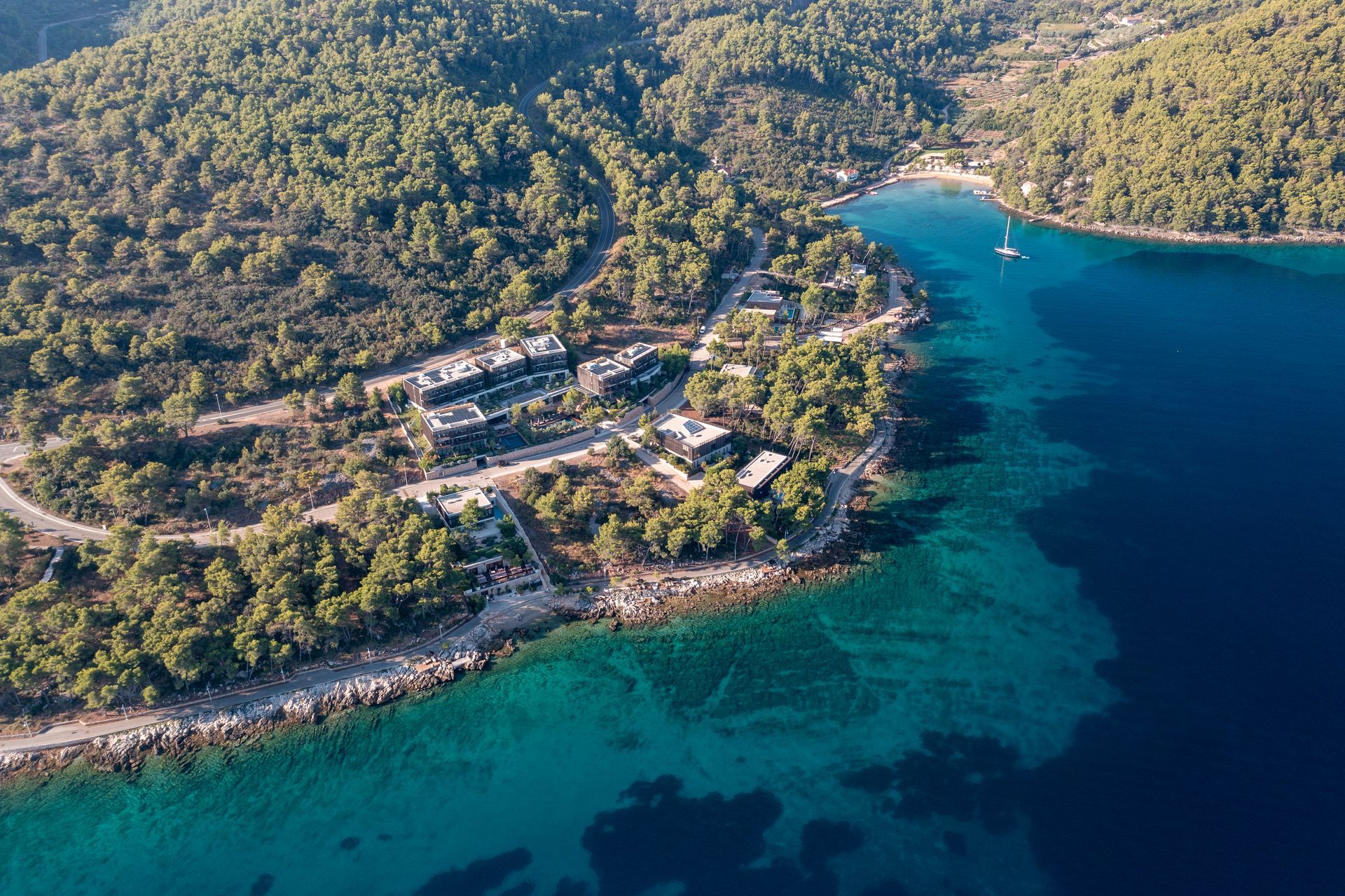
Aerial view of a coastal area with turquoise water, a treed hillside, and buildings.

MASLINA RESORT

Nestled on the sun-drenched shores of Hvar Island, Maslina Resort is a sanctuary of mindful luxury, where contemporary elegance meets the timeless beauty of the Adriatic. 

FIND OUT MORE

Where travel meets purpose

croatia Quick Guide

A black and white icon of two speech bubbles with chinese characters on them.

Croatian


A black and white drawing of a dollar , euro , and pound coins.

Croatian Kuna (HRK) 

A black and white drawing of a phone on a white background.

Code +385

A black and white globe with a clock inside of it.

UTC/GMT

+1/+2Hours

A black and white icon of a plug with a lightning bolt on it.

Type C/F (230 Volt, 50 Hz)

A black and white drawing of an airplane and a clock.

2-3 Hours

from the UK

TRAVEL ETIQUETTE

Respect Thailand’s Local Culture and Traditions

  • Dressing Respectfully

    A woman is standing in front of a statue holding a flower.

    When visiting temples or rural areas in Thailand, wear modest attire. Ensure your shoulders and knees are covered to show respect for local customs and traditions.

  • Temple Etiquette

    A white building with a red roof is surrounded by trees and bushes
    • Remove your shoes before entering temples.
    • Keep your head lower than Buddha statues.
    • Avoid pointing your feet towards Buddha statues.
  • Cultural Greetings

    A man in a yellow shirt is standing in front of a building with his hands folded.
    • Embrace the traditional Thai greeting, the wai, by placing your hands together in a prayer-like gesture and bowing slightly, especially when greeting elders and monks.
    • Reserve the wai for hands-free moments when handling street food or settling bills; opt for a friendly nod or bow instead.
  • Proper Use of Hands

    A woman is standing in front of a food stand holding a drink.
    • Use your right hand for passing items and financial transactions.
    • Keep your left hand discreetly in the background
    • Avoid Pointing: Summon someone with a friendly wave and palm facing up instead of pointing.
    • Respect Feet: Keep your feet grounded and avoid pointing them at people or religious objects
    • Sacred Heads: Treat heads as sacred and avoid touching others' heads.
    • Respect Monks: Show appreciation for monks from a distance and avoid physical contact.
    • Thai Smile: Use the Thai smile as a universal key to making friends and connecting with locals.

Being Environmental Responsible in Thailand

  • Luxury Without Plastic

    A sign for a restaurant is surrounded by umbrellas hanging from the ceiling.

    Carry a reusable,  water bottle and refuse single-use plastics. Most Luxury hotels now offer water refill stations.

  • Ethical Wildlife Experiences

    A man and woman are riding on the back of an elephant.

    Choose private experiences that prioritise animal welfare, such as visits to ethical sanctuaries and conservation programs over elephant riding or tiger temples.

  • Leave No Trace

    A person is standing on a wooden bridge in the jungle.

    Whether hiking in the mountains or lounging on the beach, ensure that all waste is responsibly disposed of and leave the natural surroundings untouched.

Supporting Thailand’s Local Communities

  • Invest in Local Artisans

    A woman is standing in a crowded market and smiling.

    Purchase quality, locally-made products from artisans and markets. This supports the economy and preserves traditional crafts.

  • Gourmet Local Dining

    A pot of soup is sitting on a wooden table.

    Savour meals at locally-owned restaurants that offer authentic Thai cuisine with a modern twist, supporting local chefs and farmers.

  • Luxury Eco-Lodging

    A house is sitting on a small island in the middle of a lake surrounded by trees.

    Choose accommodations that combine luxury with sustainability, such as boutique hotels and resorts that prioritise local ownership, a circular economy and environmental responsibility.

Transportation Choices around Thailand

  • Eco-Luxury Transport

    A man in a uniform is standing at a train station

    Opt for sustainable transport options such as train travel and hybrid or electric luxury cars provided by recognised hoteliers or reputable Destination Management Companies (DMCs) or Ground Handlers.

  • Exclusive Bicycle Tours

    A blue bicycle with a basket is parked in front of a white wall

    In cities like Chiang Mai, enjoy exclusive guided bicycle tours that allow you to explore while minimising your carbon footprint.

Thailand’s Wildlife and Nature Conservation 

  • Marine Conservation

    A sea turtle is swimming in the ocean with the sun shining through the water.

    When enjoying diving or snorkeling experiences, avoid touching coral reefs and marine animals. Use quality reef-safe sunscreen to protect the underwater ecosystem.

  • Collaborative Clean-Up Events

    A building with a sign that says jasmine on it

    Participate in clean-up efforts, often organised by NGOs or luxury resorts, to help maintain beaches, forests, and other natural areas.

  • Adhere to Park Regulation

    A monkey standing on top of a stone pillar

    Follow rules and guidelines in national parks to minimise your impact on wildlife and their habitats, ensuring that these pristine environments remain unspoiled.

Luxury travel in Thailand can be both bountiful and responsible. By practicing sustainable travel etiquette, you can enjoy the country's beauty while making a positive impact on its environment, culture, and local communities. Travel mindfully, ensuring that Thailand remains a breathtaking and welcoming destination for generations to come.

responsible TRAVEL ETIQUETTE for croatia

Responsible travel in Croatia is about moving thoughtfully through a country that takes great pride in its natural beauty, history, and way of life. By respecting local customs, dressing appropriately, and treading lightly on both land and sea, travellers help preserve Croatia’s cultural identity and pristine landscapes while enjoying a more meaningful, authentic experience.

Respecting Croatia’s Local Culture and Traditions

  • Dressing Respectfully

    Beachwear is acceptable along the Adriatic coast, but modest and neat clothing is expected in cities, churches, and restaurants. 


    Croatians generally dress smart-casual, particularly in the evenings, so thoughtful attire helps visitors blend in naturally.

  • Cultural Composure

    Croatians are friendly, polite, and approachable. Conversations are often calm and measured, though warmth and humour are always appreciated. 


    Respect for personal space and patience in public settings go a long way. While locals are generally relaxed, overt displays of anger or impatience are frowned upon. 


    Embracing Croatia’s slower pace, whether waiting for a ferry or enjoying a long meal, will help travellers connect meaningfully with local life.

  • Religious Site Etiquette

    Croatia’s churches, monasteries, and cathedrals are sacred spaces. Visitors should speak quietly, switch phones to silent, and dress modestly, covering shoulders and knees. 


    Many historic churches, including Dubrovnik Cathedral and St. Mark’s in Zagreb, may restrict photography during services. Observing local worship practices shows respect for both culture and faith.

Being Environmentally Responsible in Croatia

  • Life Without Plastic

    Carry a refillable water bottle— many hotels and cafes provide refill stations.

  • Wildlife and Nature

    Stick to marked hiking paths and respect wildlife by keeping a safe distance. 


    Avoid picking alpine flowers or disturbing natural habitats.


    Support conservation-focused experiences, such as guided  whale watching and dolphin tours or visiting protected areas, rather than exploitative animal shows.

  • Leave No Trace

    Whether hiking in Paklenica National Park or lounging on Zlatni Rat Beach, dispose of all waste responsibly.

Supporting Croatia's Local Communities

  • Invest in Local Artisans

    Supporting local artisans in Croatia is a meaningful way to preserve centuries-old traditions while contributing directly to the local economy. 


    Across the country, skilled craftspeople create beautiful, regionally distinctive products, from handwoven lace in Pag and Lepoglava to intricate woodcarvings in Slavonia and traditional ceramics along the Dalmatian coast. 

    Purchasing these items not only provides income for small, family-run workshops but also helps safeguard techniques that have been passed down through generations.


    Visiting local markets, small ateliers, and cooperative shops allows travellers to meet the makers behind the craft and gain insight into the cultural stories woven into each piece. 


    Choosing authentic, locally made souvenirs over mass-produced imports ensures your purchases have lasting value, while creating a tangible connection to Croatia’s heritage that extends well beyond your journey.

  • Local Dining

    Dining locally in Croatia is one of the most rewarding ways to connect with the country’s culture and communities. 


    Choosing family-run konobas, neighbourhood cafés, and local markets supports small businesses while offering an authentic taste of regional cuisine shaped by seasonality and tradition. 


    From freshly grilled Adriatic seafood to truffle dishes in Istria and slow-cooked specialities inland, eating where locals eat ensures fresher ingredients, richer flavours, and a deeper appreciation of Croatia’s culinary heritage.

  • Authentic Lodging

    Choosing authentic lodgings such as boutique hotels, heritage guesthouses, or locally run villas, allows travellers to experience the country through a more personal and meaningful lens. 


    These stays often reflect regional character, support local employment, and prioritise thoughtful practices that help preserve Croatia’s cultural and natural heritage.

Transportation Choices around Croatia

  • Transport

    Croatia offers a mix of efficient ferries, buses, and trains for sustainable travel. Intercity buses are reliable and cover most destinations, while ferries connect the mainland to over 1,000 islands. 


    Using public transport or cycling in cities like Split, Dubrovnik, or Zadar reduces emissions and allows travellers to explore at a local pace.

  • Cycling and Walking Tours

    Exploring towns and national parks on foot or by bike is ideal. Cities like Rovinj and Split have scenic cycling routes, while walking through Dubrovnik’s Old Town provides an intimate experience of history and culture without the need for a car.


Croatia’s Wildlife and Nature Conservation 

  • Protected Parks

    Croatia boasts 8 national parks, including Plitvice Lakes, Krka, and Mljet, along with 11 nature parks. 


    These areas preserve unique ecosystems and rare species. Visitors should follow marked trails, avoid disturbing wildlife, and respect park regulations. 


    Participating in conservation initiatives, like clean-up activities or guided eco-tours, supports preservation efforts.

  • Marine Life

    The Adriatic Sea hosts dolphins, sea turtles, and diverse fish species. 


    When swimming, diving, or snorkelling, avoid touching corals, adhere to local fishing rules, and use reef-safe sunscreen.


     Eco-conscious tours and beach clean-ups help keep Croatia’s coastlines pristine.

Ultimate Packing Guide foR croatia

Packing for Croatia requires an understanding of its diverse regions and landscapes, each offering a distinct travel experience and climate. Along the Adriatic coast and islands, summer days are hot and sun-drenched, calling for lightweight fabrics, swimwear, and sun protection, while evenings remain relaxed yet stylish for seaside dining. Inland cities such as Zagreb experience more pronounced seasonal changes, with warmer summers and cooler winters, making layers and weather-appropriate outerwear essential.


Croatia’s national parks and mountainous regions, including Plitvice Lakes and the Dinaric Alps, demand practical clothing for outdoor exploration, with sturdy footwear and breathable layers suited to changing conditions. From cobbled old towns and island hopping to hiking forested trails and enjoying countryside retreats, thoughtful packing ensures you are comfortably prepared to move seamlessly between Croatia’s varied regions and experiences.

General Packing Tips for Croatia

  • General Packing Tips for Croatia

    For warm days along the coast and islands, choose lightweight, breathable fabrics such as cotton or linen so you can stay cool and comfortable in the heat. 


    Pack a mix of casual and smart-casual pieces that are perfect for wandering charming streets, sipping coffee in local cafés, and dining in seaside restaurants. 


    When visiting churches or religious sites, it’s a good idea to have a few modest options like dresses, skirts, or long trousers to ensure respectful attire. 


    Swimwear is essential for Croatia’s beaches, pools, and island-hopping adventures, so make sure you have at least one set ready to go. 


    Finally, bring a light sweater or jacket for cooler evenings, breezy waterfront walks, or trips into the mountains where the temperature can drop unexpectedly.

  • Best Footwear for Croatia

    Comfortable sandals are ideal for exploring Croatia’s coastal cities and islands, where you’ll often be walking between cafés, beaches, and historic waterfront promenades. 


    Walking shoes are essential for navigating cobbled streets and sightseeing in towns like Dubrovnik, Split, and Rovinj, where uneven surfaces are part of the charm. 


    For adventures in national parks and rural regions—such as Plitvice Lakes, Paklenica, or the Dinaric Alps—hiking shoes are a must to keep you steady and comfortable on trails and rugged terrain.

  • Essential Packing Items for Croatia

    Backpack: A small daypack for mountain hikes or museum visits.


    Sunglasses and Sunscreen: High altitudes intensify UV rays.


    Travel Adapter: Type C/F plugs (230V, 50Hz.  A universal adapter works best.


    Reusable Utensils & Bottle: Lightweight and practical for sustainable travel.


  • Sustainable Packing Tips for Croatia

    Choose Eco-Friendly Clothing:


    Pack lightweight, durable, and breathable fabrics like organic cotton, hemp, or recycled polyester.


    Reusable Essentials:


    Carry reusable shopping bags for souvenirs or groceries.


    Pack reusable utensils and travel mugs for picnics or coffee stops.


    Minimise Single-Use Plastics:


    Avoid disposable packaging when hiking or in city cafés.


    Choose refillable toiletries and eco-friendly personal care items.


    Solid shampoo and conditioner bars reduce plastic waste.


    Pack Efficiently:

    Travel with a lightweight, durable backpack and compact luggage to reduce transport emissions.


    Prioritise versatile clothing that can be layered, mixed, and matched.


croatian  Culture

Croatia’s culture combines medieval heritage, seaside traditions, and modern creativity. Art, music, and folklore are central, with coastal regions celebrating maritime history, while inland towns focus on crafts and gastronomy. Family and community play a strong role, making hospitality and shared meals an essential part of life.

Croatia's Festivals

Croatia’s festivals are a vibrant reflection of the country’s rich history, regional traditions, and lively contemporary culture. From ancient celebrations rooted in medieval customs to modern events that draw international crowds, there is always something happening across Croatia’s cities, islands, and countryside.

Whether you’re drawn to classical music in historic courtyards, colourful street parades, or intimate film festivals in charming hilltop towns, Croatia’s festival calendar offers unforgettable experiences that bring communities together and celebrate the best of the country’s spirit, creativity, and joy for life.

Here are five Croatian festivals to experience:

  • Dubrovnik Summer Festival

    When: July–August


    Where: Dubrovnik


    About: 

    The Dubrovnik Summer Festival is one of Croatia’s most celebrated cultural events, transforming the historic city into a vibrant open-air theatre. 


    For over a month, streets, squares, and centuries-old palaces host a rich program of theatre, classical music, opera, and dance, blending the city’s stunning architecture with world-class performances. 


    Visitors can watch Shakespeare performed under the stars, enjoy traditional Croatian folk music, or experience avant-garde productions in ancient courtyards, making it a fully immersive festival where history and art collide.


  • Sinjska Alka

    When: First Sunday in August


    Where: Sinj


    About:  Sinjska Alka is a thrilling historic festival that has been celebrated since 1715, commemorating the local victory over Ottoman forces. 


    At the heart of the event is the knightly tournament, where riders on horseback, clad in traditional costumes, aim lances at a hanging metal ring called the “alka.” 


    Beyond the competition, the town comes alive with parades, music, and food stalls, offering visitors a vivid glimpse into Croatia’s history, martial traditions, and community spirit.


  • Zagreb Advent

    When: November–January


    Where: Zagreb


    About: Zagreb Advent is widely regarded as one of Europe’s most enchanting Christmas markets, transforming the city into a winter wonderland. 


    Twinkling lights adorn streets and squares, while festive stalls offer traditional foods, mulled wine, handcrafted gifts, and seasonal treats. 


    Live performances, carol singing, and ice skating rinks create a magical atmosphere, drawing locals and visitors alike to enjoy the warmth of Croatian holiday traditions against the backdrop of the capital’s historic architecture.


  • Dubrovnik Carnival

    When: February–March


    Where: Dubrovnik


    About: Dubrovnik Carnival is a lively pre-Lenten celebration with roots stretching back centuries, combining history, pageantry, and pure fun. The city’s streets fill with colourful parades, elaborate costumes, music, and dancing, while traditional masks and performances honour local customs. From theatrical displays to spontaneous street celebrations, the carnival captures the playful spirit of Dubrovnik and offers visitors an unforgettable immersion into Croatia’s festive heritage.


  • Motovun Film Festival

    When: July


    Where: Motovun


    About: Set in the picturesque hilltop town of Motovun in Istria, the Motovun Film Festival is a boutique celebration of independent cinema. 


    Screening carefully curated films from around the world, the festival combines cinematic artistry with the town’s stunning medieval backdrop, offering a unique sensory experience. 


    Beyond the films, visitors can enjoy local wine, gourmet cuisine, and guided walks through Motovun’s charming streets, creating a festival that delights both film lovers and lovers of culture and scenery alike.


More about Croatia's Culture

  • Croatia's Arts and Crafts

    Croatia’s arts and crafts are a living testament to the country’s deep regional heritage, where centuries-old traditions continue to thrive in the hands of skilled artisans. 


    Each region has its own distinct style and story, shaped by local materials, history, and cultural influences. From delicate lacework to bold ceramics, Croatia’s craft traditions are not only beautiful—they are an intimate expression of place and identity.


    Lace from Pag and Lepoglava


    Two of Croatia’s most iconic craft traditions are the exquisite lace of Pag and the intricate needlework of Lepoglava. Pag lace, recognised for its geometric patterns and fine detail, is traditionally made using bobbins and natural fibres. Its heritage is so revered that it has been protected by UNESCO, and today it remains a symbol of Croatian craftsmanship. Lepoglava lace, meanwhile, features delicate floral motifs and is celebrated for its meticulous precision and timeless elegance. These pieces are often passed down through generations and are treasured as family heirlooms.


    Woodwork in Slavonia


    In Slavonia, wood carving is not just a craft—it’s a cultural heartbeat. Skilled artisans create intricate designs in furniture, religious icons, and decorative panels, often featuring traditional motifs inspired by nature and rural life. The woodwork reflects a deep connection to the land, with patterns and forms that echo Slavonian folklore and centuries of storytelling. Visitors can find beautifully carved objects in local markets and workshops, each piece reflecting the artisan’s skill and regional pride.


    Ceramics, Glass, and Stone on the Islands


    Croatia’s islands are home to some of the most striking artisanal traditions, particularly in ceramics and glasswork. In places like Hvar, Korčula, and the island of Brač, artisans craft hand-painted ceramics featuring vibrant patterns inspired by the sea, Mediterranean flora, and historic motifs. Glass art is also a celebrated island tradition, with master glassblowers creating delicate pieces that shimmer like the Adriatic itself. In Dalmatia, stone carving—especially from the island of Brač—produces stunning architectural elements and sculptures, with a legacy that dates back to Roman times.


    Traditional Textiles and Embroidery


    Textiles and embroidery are deeply woven into Croatia’s cultural identity, with each region boasting its own distinctive patterns and colours. Traditional folk costumes, known as narodne nošnje, are richly embroidered and often worn during festivals and celebrations. In regions like Zagorje and Međimurje, embroidery is a proud expression of local heritage, featuring intricate stitches and symbolic motifs that tell stories of family, faith, and the natural world.


    Music, Instruments, and Folk Art


    Croatian folk music is as rich and varied as the landscapes themselves, and many traditional instruments are crafted by hand with remarkable skill. From tamburica string instruments in Slavonia to unique percussion and wind instruments in Dalmatia, these creations are both artistic and functional—designed to produce the melodies that have echoed through villages for generations. Folk art also includes decorative carvings, painted icons, and ceremonial objects, each reflecting the spiritual and communal life of the region.


    Contemporary Design with Traditional Roots


    Today, Croatia’s craft scene is experiencing a vibrant renaissance, as contemporary designers blend traditional techniques with modern aesthetics. Young artisans are reimagining classic motifs in jewellery, fashion, ceramics, and homewares, creating pieces that feel both timeless and fresh. This fusion of old and new makes Croatian craft especially exciting—offering travellers the chance to take home something that is not only beautiful but also deeply meaningful.

croatian Food

Croatian cuisine is a celebration of the country’s dramatic landscapes and coastal bounty, where every region offers its own distinct flavours and culinary traditions.


Along the Adriatic coast, the food is bright, fresh, and infused with Mediterranean sunshine—think glistening seafood grilled over open flames, fragrant olive oil drizzled over crisp salads, and aromatic herbs like rosemary, sage, and lavender that perfume the air.


Inland, the cuisine becomes heartier and more rustic, with slow-cooked stews, smoked meats, rich cheeses, and robust wines that reflect the fertile plains and rolling hills of the countryside.


Croatia’s signature dishes are as varied as its regions. In Dalmatia, peka is a must-try: tender meat or seafood cooked slowly under a domed bell, resulting in deeply infused flavours and melt-in-your-mouth textures.


Black risotto, coloured with squid ink and filled with fresh seafood, offers a dramatic and unforgettable taste of the sea. Dalmatian prosciutto, dry-cured and sliced paper-thin, is often paired with olives and local cheese for a simple yet luxurious starter. In Istria, truffle season brings a decadent twist to dishes, with truffle oils, shaved truffles, and creamy truffle pasta elevating every meal into a true culinary experience.


Dining in Croatia is never rushed. Meals are social events that can stretch for hours, filled with laughter, conversation, and the clinking of glasses. Wine is a constant companion—whether you’re sipping crisp whites from Istria or robust reds from Dalmatia—while rakija, the local fruit brandy, often appears as a warm, welcoming toast at the end of a meal.

croatia's Weather

Croatia’s climate varies dramatically between coastal and inland areas. The Adriatic coast enjoys hot, dry summers perfect for beach holidays, while spring and autumn bring warm temperatures with fewer crowds. Inland areas, including Zagreb and Slavonia, experience hotter summers and colder winters, often with crisp, sunny days ideal for sightseeing.


The mountainous regions, such as the Dinaric Alps and Plitvice area, bring snow in winter and refreshing air in summer, offering hiking, skiing, and nature exploration. Northern Istria and Kvarner Bay benefit from a milder, Mediterranean-influenced climate, while Dalmatia offers abundant sunshine and crystal-clear waters nearly year-round. Overall, Croatia’s climate ensures there’s always a perfect season for every type of traveller.

  • Which major airlines fly to Croatia internationally?

    Croatia is served by a wide range of international airlines, connecting the country to major cities across Europe and beyond. 


    European carriers such as Croatia Airlines, Lufthansa, British Airways, Air France, KLM, and Swiss International Air Lines operate regular flights to Croatia.


    Other international airlines, including Emirates, Qatar Airways andTurkish Airlines,  also connect Croatia to global destinations. Low-cost carriers such as easyJet, and Vueling provide additional options, especially for travellers arriving from across Europe.

  • What domestic airlines operate within Croatia?

    Croatia’s domestic air network is primarily served by Croatia Airlines, the national carrier, which connects major cities such as Zagreb, Split, Dubrovnik, and Zadar. 


    Seasonal routes are also supported by other European airlines during the summer months, particularly to coastal destinations, offering convenient options for travellers who prefer flying between regions.


  • What are the main international airports in Croatia?

    The largest and busiest airport in Croatia is Zagreb Franjo Tuđman Airport (ZAG), serving as the primary gateway for international travellers. 


    For visitors heading to the Dalmatian coast, Split Airport (SPU) and Dubrovnik Airport (DBV) are the main entry points. 


    Zadar Airport (ZAD) and Pula Airport (PUY) serve the northern Adriatic and Istria region, while Rijeka Airport (RJK) provides access to the Kvarner Bay and nearby islands. 


    During peak season, many of these airports receive an increased number of international flights from across Europe.

  • How can I enter Croatia by land?

    Croatia can be accessed overland via its borders with Slovenia, Hungary, Serbia, Bosnia and Herzegovina, and Montenegro, making travel by car or bus straightforward. 


    Rail travel is also a convenient option, with international train services connecting Croatia to Slovenia and beyond, and domestic routes linking major cities such as Zagreb, Split, and Rijeka. 


    Ferries are a popular entry option, with regular services connecting Croatia to Italy, as well as frequent domestic ferries linking the mainland to the country’s many islands. Ferry travel is not only practical but also offers a scenic introduction to Croatia’s Adriatic coastline, with stunning views that set the tone for your journey.

  • Are ATMs readily available in Croatia?

    ATMs are widely available throughout Croatia in cities, towns, and tourist areas, and Visa and Mastercard are commonly accepted. 


    In more remote islands or rural areas, ATMs can be limited, so carrying some cash is advisable for convenience. Many smaller establishments prefer cash or may have minimum card spending requirements.

  • What languages are spoken in Croatia?

    The official language of Croatia is Croatian. English is widely understood in tourist areas, particularly in hotels, restaurants, and airports, and many locals also speak basic German or Italian—especially in Istria and along the coast. 


    Regional dialects and influences can also be heard in different parts of the country, reflecting Croatia’s diverse cultural heritage.

  • What health precautions should I take before travelling to Croatia?

    There are no mandatory vaccines for most travellers to Croatia, though routine vaccinations such as tetanus and hepatitis A/B are recommended. 


    Tap water is generally safe to drink in most cities, while some travellers may prefer filtered water in certain coastal or island areas. 

    During summer, sunscreen, mosquito repellent, and regular hydration are essential due to high temperatures and strong sun exposure.

  • What currency is used in Croatia?

    Croatia uses the Euro (€) as its official currency. Credit and debit cards are widely accepted in cities and larger towns, but carrying some cash is recommended for smaller shops, markets, and rural areas.


    Some island vendors may prefer cash, especially during the quieter off-season.


    nd rural areas.

  • Do I need a visa to enter Croatia?

    Citizens of the EU and EEA do not require a visa to enter Croatia. 


    Many other nationalities, including travellers from the United States, Canada, and Australia, can enter Croatia without a short-stay visa for up to 90 days. 


    All other travellers should check the Croatian Ministry of Foreign and European Affairs for specific visa requirements before travelling.

  • What are the tipping guidelines for Croatia?

    Tipping in Croatia is generally modest. 


    In restaurants, leaving 5–10% of the bill is customary, though rounding up the total is also common. In cafés and bars, small change or rounding up the bill is appreciated. 


    Taxi drivers are typically tipped by rounding to the nearest kuna or leaving a small extra amount, and hotel staff such as housekeeping and porters usually receive 10–20 HRK per night or per bag.

Frequently Asked Questions for croatia

Inspirational Blog Posts you might like 

Monopoly Green house stands out among scattered red houses.
By Kelly Forbes November 21, 2025
Uncover the hidden world behind luxury hotels: ownership structures, management contracts, and the importance of sustainable and restoration-focused travel.
By Kelly Forbes August 22, 2025
Discover how overtourism and housing pressures are driving global crack downs. Learn what regulations mean for travellers, locals, and the future of city stays.
Cinque Terre fishing village by sunset
By Kelly Forbes August 11, 2025
Discover how to explore Cinque Terre by train, foot and ferry. Hike scenic trails, avoid the crowds, and dine smart with this ultimate travel guide.

JOIN OUR NEWSLETTER

Experience the world of sustainable luxury travel with us by subscribing to our newsletter ‘The Circular’.

Let A’ARU Collective be your trusted companions on a journey that is both enriching and captivating

No spam. We respect your privacy.