DESTINATION

GREECE

INTRODUCING GREECE

Greece, often regarded as the cradle of Western civilisation, is a captivating destination in Southern Europe, celebrated for its ancient history, stunning landscapes, and vibrant culture.


This sun-drenched country bursts with contrasts, effortlessly blending timeless heritage with vibrant modernity. Wander among the iconic ruins of Athens and Delphi, lose yourself on the unspoilt beaches of the Cyclades, or hike through the lush, emerald mountains of Epirus.


Greece is a treasure trove, offering endless experiences at every turn. Explore ancient temples steeped in history, sail across the sparkling turquoise waters of the Aegean, or indulge in world-famous Mediterranean cuisine in lively, bustling tavernas. From exhilarating adventures to serene escapes, Greece promises a feast for the senses and memories that last a lifetime.

Featured GREEK Hotels

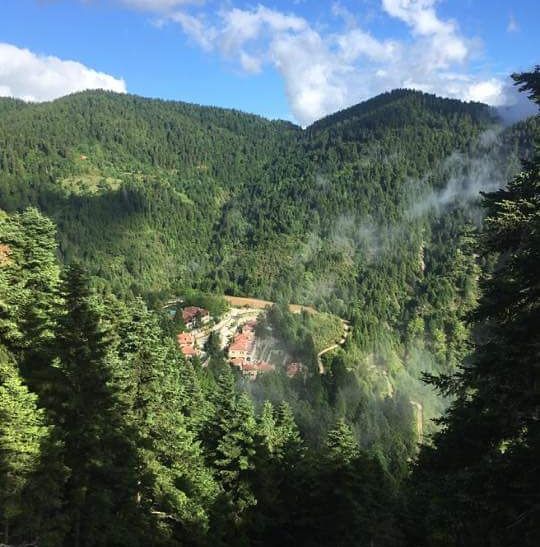
Lush, green mountains and forest, with wisps of fog, under a blue sky.

MONTANEMA HANDMADE VILLAGE

A mountain village crafted by hand, rooted in nature, and designed for those seeking stillness, simplicity, and a slower way of life

FIND OUT MORE
Infinity pool at dusk, ocean view. White building, lounge chairs, illuminated, blue, orange sky.

SANTO PURE

The perfect place to escape to offering tranquil surroundings, modern amenities, and commitment to sustainability. An ideal destination for those seeking a little slice of paradise.

FIND OUT MORE
Infinity pool with ocean view and rows of lounge chairs.

GUNDARI

Set high on rugged, soaring cliffs overlooking the azure depths of the Aegean Sea, this extraordinary oasis is designed to inspire and invigorate

FIND OUT MORE

MONTANEMA HANDMADE VILLAGE

A mountain village crafted by hand, rooted in nature, and designed for those seeking stillness, simplicity, and a slower way of life

FIND OUT MORE

SANTO PURE

The perfect place to escape to offering tranquil surroundings, modern amenities, and commitment to sustainability. An ideal destination for those seeking a little slice of paradise.

FIND OUT MORE

Where travel meets purpose

GREECE Quick Guide

A black and white icon of two speech bubbles with chinese characters on them.

Greek

A black and white drawing of a dollar , euro , and pound coins.

Euro (EUR)

A black and white drawing of a phone on a white background.

Code +30

A black and white globe with a clock inside of it.

UTC/GMT

+2/+3Hours

A black and white icon of a plug with a lightning bolt on it.

Type C/F (230 Volt, 50 Hz)

A black and white drawing of an airplane and a clock.

3-4 Hours

from the UK

TRAVEL ETIQUETTE

Respect Thailand’s Local Culture and Traditions

  • Dressing Respectfully

    A woman is standing in front of a statue holding a flower.

    When visiting temples or rural areas in Thailand, wear modest attire. Ensure your shoulders and knees are covered to show respect for local customs and traditions.

  • Temple Etiquette

    A white building with a red roof is surrounded by trees and bushes
    • Remove your shoes before entering temples.
    • Keep your head lower than Buddha statues.
    • Avoid pointing your feet towards Buddha statues.
  • Cultural Greetings

    A man in a yellow shirt is standing in front of a building with his hands folded.
    • Embrace the traditional Thai greeting, the wai, by placing your hands together in a prayer-like gesture and bowing slightly, especially when greeting elders and monks.
    • Reserve the wai for hands-free moments when handling street food or settling bills; opt for a friendly nod or bow instead.
  • Proper Use of Hands

    A woman is standing in front of a food stand holding a drink.
    • Use your right hand for passing items and financial transactions.
    • Keep your left hand discreetly in the background
    • Avoid Pointing: Summon someone with a friendly wave and palm facing up instead of pointing.
    • Respect Feet: Keep your feet grounded and avoid pointing them at people or religious objects
    • Sacred Heads: Treat heads as sacred and avoid touching others' heads.
    • Respect Monks: Show appreciation for monks from a distance and avoid physical contact.
    • Thai Smile: Use the Thai smile as a universal key to making friends and connecting with locals.

Being Environmental Responsible in Thailand

  • Luxury Without Plastic

    A sign for a restaurant is surrounded by umbrellas hanging from the ceiling.

    Carry a reusable,  water bottle and refuse single-use plastics. Most Luxury hotels now offer water refill stations.

  • Ethical Wildlife Experiences

    A man and woman are riding on the back of an elephant.

    Choose private experiences that prioritise animal welfare, such as visits to ethical sanctuaries and conservation programs over elephant riding or tiger temples.

  • Leave No Trace

    A person is standing on a wooden bridge in the jungle.

    Whether hiking in the mountains or lounging on the beach, ensure that all waste is responsibly disposed of and leave the natural surroundings untouched.

Supporting Thailand’s Local Communities

  • Invest in Local Artisans

    A woman is standing in a crowded market and smiling.

    Purchase quality, locally-made products from artisans and markets. This supports the economy and preserves traditional crafts.

  • Gourmet Local Dining

    A pot of soup is sitting on a wooden table.

    Savour meals at locally-owned restaurants that offer authentic Thai cuisine with a modern twist, supporting local chefs and farmers.

  • Luxury Eco-Lodging

    A house is sitting on a small island in the middle of a lake surrounded by trees.

    Choose accommodations that combine luxury with sustainability, such as boutique hotels and resorts that prioritise local ownership, a circular economy and environmental responsibility.

Transportation Choices around Thailand

  • Eco-Luxury Transport

    A man in a uniform is standing at a train station

    Opt for sustainable transport options such as train travel and hybrid or electric luxury cars provided by recognised hoteliers or reputable Destination Management Companies (DMCs) or Ground Handlers.

  • Exclusive Bicycle Tours

    A blue bicycle with a basket is parked in front of a white wall

    In cities like Chiang Mai, enjoy exclusive guided bicycle tours that allow you to explore while minimising your carbon footprint.

Thailand’s Wildlife and Nature Conservation 

  • Marine Conservation

    A sea turtle is swimming in the ocean with the sun shining through the water.

    When enjoying diving or snorkeling experiences, avoid touching coral reefs and marine animals. Use quality reef-safe sunscreen to protect the underwater ecosystem.

  • Collaborative Clean-Up Events

    A building with a sign that says jasmine on it

    Participate in clean-up efforts, often organised by NGOs or luxury resorts, to help maintain beaches, forests, and other natural areas.

  • Adhere to Park Regulation

    A monkey standing on top of a stone pillar

    Follow rules and guidelines in national parks to minimise your impact on wildlife and their habitats, ensuring that these pristine environments remain unspoiled.

Luxury travel in Thailand can be both bountiful and responsible. By practicing sustainable travel etiquette, you can enjoy the country's beauty while making a positive impact on its environment, culture, and local communities. Travel mindfully, ensuring that Thailand remains a breathtaking and welcoming destination for generations to come.

responsible TRAVEL ETIQUETTE for GREECE

Greece’s warm hospitality and rich traditions make it a captivating destination, but practicing responsible tourism helps preserve its culture and environment

Respecting Greece’s Local Culture and Traditions

  • Dressing Respectfully

    Cover shoulders and knees when visiting Orthodox churches or monasteries.


    Swimwear is suitable on beaches but not in towns or religious sites.


  • Cultural Composure

    Greeks value friendly, polite and calm interactions. 


    While Greeks can be animated and expressive, public displays of anger, rudeness, or impatience, especially towards service staff, are frowned upon.


    A smile and polite greetings go a long way in markets, restaurants, and small towns.


    A simple “Yassas” (hello) or “Kalimera” (good morning) is appreciated when entering shops, cafés, or hotels. 


    When dining, rushing meals or refusing food without explanation may appear impolite, as meals are viewed as social occasions. 


    While tipping is appreciated, demanding or excessive bargaining, particularly in small local businesses, is generally considered bad manners.


  • Church and Monastery Etiquette

    Entering churches or monasteries wearing shorts, short skirts, or sleeveless tops is considered disrespectful. 


    Loud talking, taking photos during services, or treating sacred spaces casually can also offend. 


    If requested, remove shoes when entering monasteries.


    Avoid touching any religious artifacts and icons.


Being Environmentally Responsible in Greece

  • Life Without Plastic

    Carry a refillable water bottle— many hotels and cafes provide refill stations.

  • Wildlife and Nature

    Stick to marked hiking paths and respect wildlife by keeping a safe distance. 


    Avoid picking alpine flowers or disturbing natural habitats.


    Support conservation-focused experiences, such as guided dolphin tours or visiting protected areas, rather than exploitative animal shows.

  • Leave No Trace

    Whether hiking the Meteora cliffs or relaxing on Crete’s beaches, ensure all waste is responsibly disposed of.

Supporting Greece's Local Communities

  • Invest in Local Artisans

    Supporting local communities is an important part of travelling responsibly in Greece and adds depth to the overall travel experience. 


    Purchasing locally made products such as olive oil, ceramics, and handwoven textiles not only provides meaningful souvenirs but also helps sustain traditional crafts and small family businesses that have been passed down through generations.

  • Local Dining

    Dining at family-run tavernas is another wonderful way to support local livelihoods while enjoying authentic Greek cuisine. 


    These establishments often source their ingredients from nearby farms and fishermen, ensuring fresh, seasonal dishes while directly benefiting the local economy.

  • Authentic Lodging

    Choosingindependent  eco-friendly hotels and guesthouses that prioritise renewable energy, water conservation, and sustainable practices further contributes to preserving Greece’s natural beauty and cultural heritage for future generations.

Transportation Choices around Greece

  • Transport

    Where possible, opt for ferries and trains rather than short domestic flights, as these options not only lower carbon emissions but also allow you to experience the country’s landscapes and coastlines at a more relaxed pace. 


    In cities and larger islands, choosing hybrid or electric vehicles offered by hotels and reputable tour operators is an increasingly accessible and sustainable alternative.

  • Cycling and Walking Tours

    Exploring on foot or by bicycle is one of the most rewarding ways to experience Greece’s historic towns and island centres. 


    Guided walking and cycling tours in places such as Athens, Rhodes, and Corfu provide an intimate view of local life, architecture, and culture. 


    These slower modes of travel encourage deeper engagement with your surroundings and help preserve the charm and liveability of Greece’s most treasured destinations.


Greece’s Wildlife and Nature Conservation 

  • Protected Parks

    When visiting protected areas such as Samaria Gorge in Crete or Vikos Gorge in Epirus, travellers should follow all posted regulations, remain on marked trails, and avoid disturbing wildlife or removing natural materials. 


    These guidelines help preserve fragile ecosystems and ensure that these remarkable landscapes can be enjoyed for generations to come.

  • Marine Life

    When swimming, snorkelling, or sailing, respecting marine ecosystems is crucial—using reef-safe sunscreen, avoiding contact with seabeds and marine life, and anchoring responsibly all help protect Greece’s delicate underwater habitats and crystal-clear waters.

Ultimate Packing Guide foR GREECE

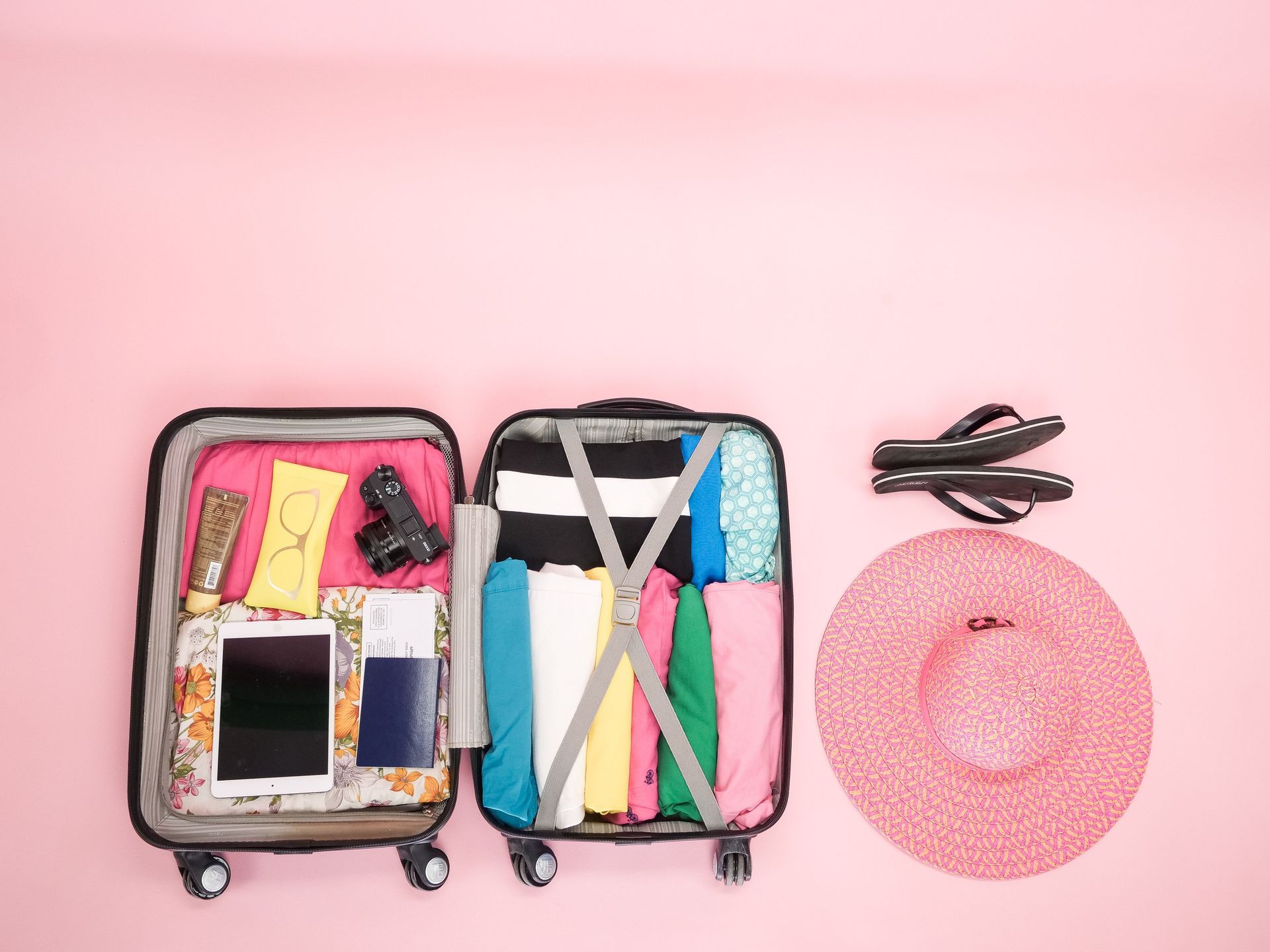
Packing for Greece is all about preparation and versatility, ensuring you are comfortable whether you are exploring ancient ruins, island-hopping across the Aegean, or enjoying leisurely evenings in seaside tavernas.


With its varied landscapes, warm Mediterranean climate, and mix of cultural and outdoor experiences, Greece calls for a thoughtfully curated wardrobe and practical travel essentials.

From sun-soaked beaches and historic cities to mountainous regions and sacred sites, packing smartly will help you make the most of every moment of your journey.

General Packing Tips for Greece

  • General Packing Tips for Greece

    Greece’s varied geography and climate mean that careful packing is key to a comfortable and enjoyable trip. 


    The northern regions experience cooler winters and warm summers, so lightweight, breathable clothing is ideal for summer, while a light jacket is essential in the winter months. 


    Central Greece, including Athens, tends to have hot summers and mild winters, making sun protection crucial during the peak months. 


    Meanwhile, the southern regions and the islands are known for their hot, dry summers and mild, wetter winters, so packing light, quick-drying fabrics is recommended, particularly for island hopping or coastal adventures.

  • Best Footwear for Greece

    Footwear should balance style, comfort, and functionality. 


    Sandals are perfect for towns and beaches, while comfortable walking shoes are essential for exploring historical sites and uneven streets. 


    For those planning to hike in the mountains or gorges, sturdy hiking boots with good grip are indispensable.

  • Essential Packing Items for Greece

    Backpack: A small daypack for mountain hikes or museum visits.


    Sunglasses and Sunscreen: High altitudes intensify UV rays.


    Travel Adapter: Type C/F plugs (230V, 50Hz.  A universal adapter works best.


    Reusable Utensils & Bottle: Lightweight and practical for sustainable travel.


  • Sustainable Packing Tips for Greece

    Choose Eco-Friendly Clothing:


    Pack lightweight, durable, and breathable fabrics like organic cotton, hemp, or recycled polyester.


    Reusable Essentials:


    Carry reusable shopping bags for souvenirs or groceries.


    Pack reusable utensils and travel mugs for picnics or coffee stops.


    Minimise Single-Use Plastics:


    Avoid disposable packaging when hiking or in city cafés.


    Choose refillable toiletries and eco-friendly personal care items.


    Solid shampoo and conditioner bars reduce plastic waste.


    Pack Efficiently:

    Travel with a lightweight, durable backpack and compact luggage to reduce transport emissions.


    Prioritise versatile clothing that can be layered, mixed, and matched.


GREECE’s Culture

Greece’s culture blends ancient heritage with contemporary life. From classical mythology and monumental ruins to lively modern festivals, the country’s traditions are both enduring and vibrant.

Greek music, dance, and art, along with culinary rituals, reflect centuries of history and community life.

Greece’s Festivals

Greece’s festivals are a vivid celebration of the country’s rich cultural heritage, blending centuries-old traditions with contemporary flair. From religious ceremonies and seasonal rituals to music, theatre, and art events, festivals in Greece offer a unique window into the nation’s history, spirituality, and communal life.

Here are five Greece festivals to experience:

  • Easter (Pascha)

    When: March or April


    Where: Nationwide


    About:  Orthodox Easter with midnight church services, fireworks, and traditional feasts. come alive with midnight church services, dramatic fireworks, and hearty traditional feasts. 


    The holiday is deeply rooted in Orthodox Christian rituals, and visitors can witness unique local customs such as the “botides” clay pot-throwing tradition in Corfu, which symbolises the welcoming of spring and renewal.


  • Athens & Epidaurus Festival

    When: April


    Where: June–August


    About: Transforms ancient theatres into stages for international theatre, music, and dance performances, blending classical Greek heritage with contemporary artistic expression.


  • Carnival (Apokries)

    When: February–March


    Where: Patras and various cities


    About: Greece’s exuberant pre-Lent celebration, with spectacular parades, elaborate costumes, and lively street parties that showcase the nation’s playful and communal spirit.


  • Santorini Jazz Festival

    When: July


    Where: Santorini


    About: Music enthusiasts will enjoy world-class jazz performances are staged against the island’s iconic caldera vistas, creating an unforgettable cultural and scenic experience.


  • Thessaloniki International Film Festival

    When:  November


    Where: Thessaloniki


    About: Brings together filmmakers, critics, and cinephiles to celebrate Greek and international cinema through screenings, workshops, and panel discussions, highlighting the country’s vibrant contribution to the arts.


More about Greece's Culture

  • Greece’s Arts and Crafts

    Greece is famed for its traditional crafts, ranging from pottery and ceramics that blend ancient-inspired designs with modern artistry, to handwoven textiles such as rugs and fabrics from Epirus and Crete. 


    The country is also celebrated for its intricate gold and silver jewellery, often reflecting Byzantine influences, and for its rich tradition of iconography, including religious paintings and wood carvings found in monasteries.

GREECE’s Food

Greek cuisine is celebrated for its emphasis on fresh, seasonal ingredients, with olive oil, vegetables, grains, fish, and meats forming the foundation of most dishes.


Traditional recipes highlight the natural flavours of each component, creating a cuisine that is both wholesome and vibrant. Among the signature dishes, moussaka stands out as a rich, layered casserole of eggplant and meat, while souvlaki and gyros offer tender, grilled meats served with pita bread and creamy tzatziki.


The classic Greek salad, or horiatiki, combines juicy tomatoes, crisp cucumbers, olives, and tangy feta cheese, providing a refreshing accompaniment to many meals.


For those with a sweet tooth, baklava—a delicate pastry layered with nuts and honey—is a quintessential treat that showcases the country’s love of flavourful desserts.


Meals in Greece are inherently communal, reflecting the importance of sharing, conversation, and family traditions. Dining is seen as a social experience, where food is savoured slowly and enjoyed together.

GREECE's Weather

Greece enjoys a Mediterranean climate, offering distinct seasons that shape the travel experience.


In spring (March to May), temperatures are mild and the landscapes burst into bloom, making it an ideal time for sightseeing and exploring the countryside.


Summer (June to August) brings hot, sunny days perfect for island hopping, beach visits, and enjoying the turquoise waters of the Aegean and Ionian Seas.


Autumn (September to November) remains warm and pleasant, with fewer crowds, making it a great season for cultural tours, hiking, and wine harvest festivals.


Winter (December to February) is cooler and wetter, particularly in northern Greece and the mountainous regions, while the southern islands experience milder conditions, offering a quieter, off-season experience for travellers.

  • Which major airlines fly to Greece internationally?

    European Airlines: Aegean Airlines, Lufthansa, British Airways, Air France, KLM, Swiss International Airlines.


    Other International Airlines: Emirates, Qatar Airways, Turkish Airlines, Aeroflot, Alitalia.


    Low-Cost Airlines: Ryanair, easyJet, Wizz Air, Vueling.


  • What domestic airlines operate within Greece?

    Aegean Airlines / Olympic Air: The main domestic carrier connecting Athens, Thessaloniki, and the islands.


    Sky Express: Focused on domestic routes, especially smaller islands.


  • What are the main international airports in Greece?

    • Athens International Airport (ATH) – Greece’s primary hub.


    • Thessaloniki Airport (SKG) – Serves Northern Greece.


    • Heraklion Airport, Crete (HER) – Major gateway to the southern islands.


    • Santorini Airport (JTR) – Seasonal international and domestic flights.


    • Rhodes Airport (RHO) – Popular for island tourism.


    • Smaller airports on Mykonos (JMK), Corfu (CFU), and other islands receive seasonal international flights.


  • How can I enter Greece by land?

    By Land: Greece shares borders with Albania, North Macedonia, Bulgaria, and Turkey. Crossings are possible by car or bus. 


    By Ferry: Greece is well-connected by ferries from Italy (Ancona, Venice, Bari) to Patras, Igoumenitsa, and other ports. 


    Ferries also link Greek islands with each other.


  • Are ATMs readily available in Greece?

    ATMs are widely available in cities, towns, and tourist areas. Visa and Mastercard are commonly accepted. 


    On smaller islands, ATM availability may be limited—carry cash just in case.

  • What health precautions should I take before traveling to Greece?

    No mandatory vaccinations for most travellers


    Recommended: routine vaccines (MMR, tetanus, diphtheria, polio)


    Travel insurance covering healthcare is strongly advised, as medical costs are high.


  • What languages are spoken in Greece?

    Official language: Greek.


    English is widely spoken in tourist areas, especially in hotels, restaurants, and islands. Some older locals may speak basic German or French.


  • What currency is used in Greece?

    Euro (€) – Greece is part of the Eurozone. 


    Credit/debit cards are widely accepted, but cash is useful for smaller shops and islands.


  • Do I need a visa to enter Greece?

    EU/EEA citizens: No visa required.


    Many nationalities (e.g., US, Canada, Australia): Schengen short-stay visa not required for up to 90 days.


    Others must check the Greek Ministry of Foreign Affairs for visa requirements.


  • What are the tipping guidelines for Greece?

    Restaurants: 5–10% of the bill is standard; rounding up is also common.


    Cafés and bars: Round up the bill or leave small change.


    Taxis: Round up to the nearest euro.


    Hotels: €1–2 per night for housekeeping; porters €1–2 per bag.


Frequently Asked Questions for GREECE

Inspirational Blog Posts you might like 

Monopoly Green house stands out among scattered red houses.
By Kelly Forbes November 21, 2025
Uncover the hidden world behind luxury hotels: ownership structures, management contracts, and the importance of sustainable and restoration-focused travel.
By Kelly Forbes August 22, 2025
Discover how overtourism and housing pressures are driving global crack downs. Learn what regulations mean for travellers, locals, and the future of city stays.
Cinque Terre fishing village by sunset
By Kelly Forbes August 11, 2025
Discover how to explore Cinque Terre by train, foot and ferry. Hike scenic trails, avoid the crowds, and dine smart with this ultimate travel guide.

JOIN OUR NEWSLETTER

Experience the world of sustainable luxury travel with us by subscribing to our newsletter ‘The Circular’.

Let A’ARU Collective be your trusted companions on a journey that is both enriching and captivating

No spam. We respect your privacy.