DESTINATION

TURKEY

INTRODUCING TURKEY

Turkey is a country where continents, cultures, and centuries converge.

Straddling both Europe and Asia, it offers an intoxicating blend of ancient civilisations, dramatic landscapes, vibrant cities, and warm hospitality.


From the minarets and bustling bazaars of Istanbul to the fairy-tale rock formations of Cappadocia, Turkey is endlessly diverse. Along the Turquoise Coast, crystal-clear waters lap against ancient ruins and secluded coves, while inland regions reveal snow-capped mountains, fertile valleys, and timeless villages.


Whether you are drawn by history, food, nature, or relaxation, Turkey delivers rich and deeply memorable experiences that linger long after the journey ends.

Featured TURKISH Hotels

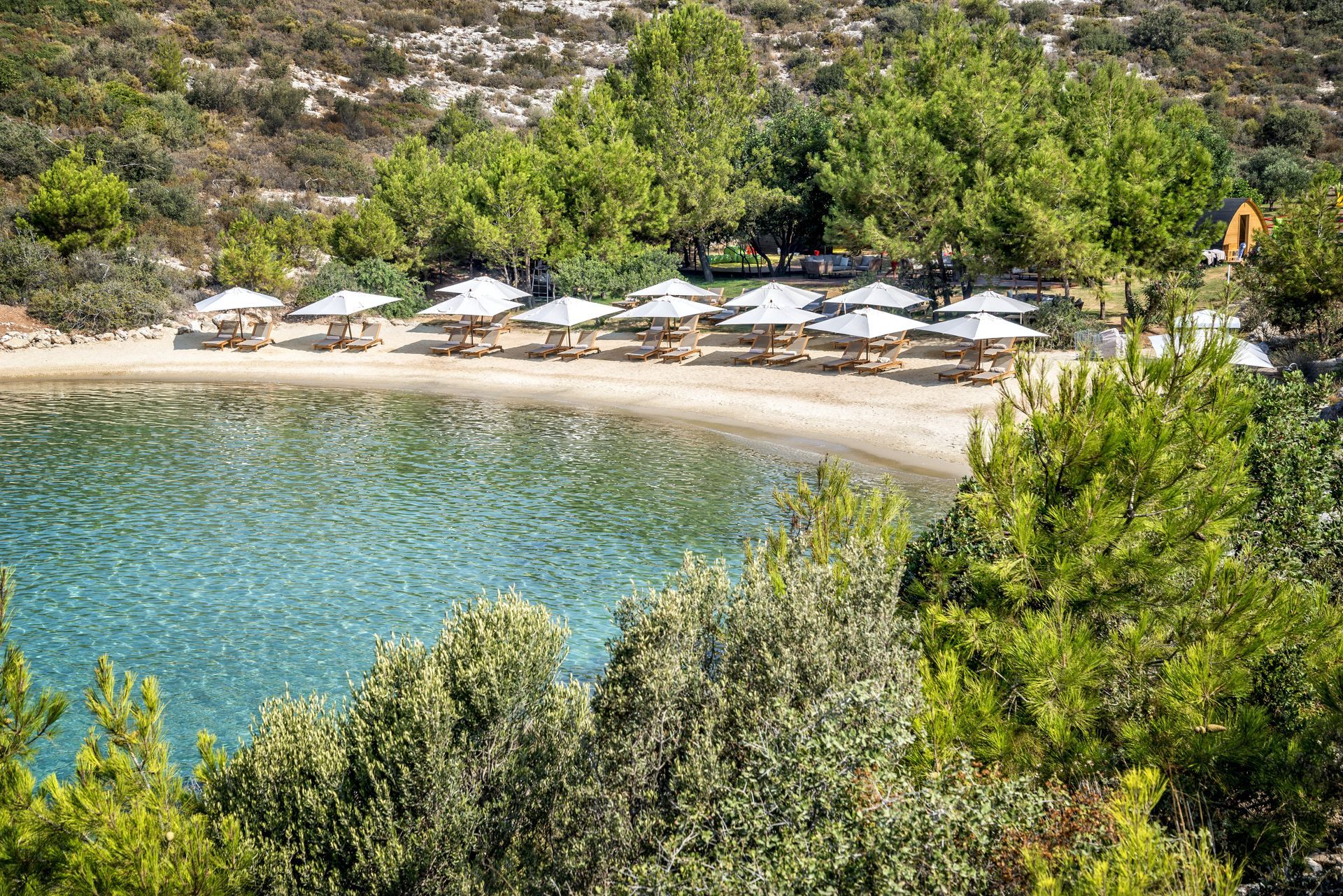
Beach with clear turquoise water, sandy shore, and white umbrellas. Lush green trees surround the cove.

SIX SENSES KAPLANKAYA

A luxurious retreat that seamlessly blends unparalleled comfort with holistic wellness, offering an array of experiences tailored to rejuvenate the mind, body, and soul.

FIND OUT MORE

Where travel meets purpose

TURKEY Quick Guide

A black and white icon of two speech bubbles with chinese characters on them.

Turkish

A black and white drawing of a dollar , euro , and pound coins.

Turkish Lira (TRY)

A black and white drawing of a phone on a white background.

Code +90

A black and white globe with a clock inside of it.

UTC/GMT

+3Hours

A black and white icon of a plug with a lightning bolt on it.

Type C/F (230 Volt, 50 Hz)

A black and white drawing of an airplane and a clock.

4 Hours

from the UK

TRAVEL ETIQUETTE

Respect Thailand’s Local Culture and Traditions

  • Dressing Respectfully

    A woman is standing in front of a statue holding a flower.

    When visiting temples or rural areas in Thailand, wear modest attire. Ensure your shoulders and knees are covered to show respect for local customs and traditions.

  • Temple Etiquette

    A white building with a red roof is surrounded by trees and bushes
    • Remove your shoes before entering temples.
    • Keep your head lower than Buddha statues.
    • Avoid pointing your feet towards Buddha statues.
  • Cultural Greetings

    A man in a yellow shirt is standing in front of a building with his hands folded.
    • Embrace the traditional Thai greeting, the wai, by placing your hands together in a prayer-like gesture and bowing slightly, especially when greeting elders and monks.
    • Reserve the wai for hands-free moments when handling street food or settling bills; opt for a friendly nod or bow instead.
  • Proper Use of Hands

    A woman is standing in front of a food stand holding a drink.
    • Use your right hand for passing items and financial transactions.
    • Keep your left hand discreetly in the background
    • Avoid Pointing: Summon someone with a friendly wave and palm facing up instead of pointing.
    • Respect Feet: Keep your feet grounded and avoid pointing them at people or religious objects
    • Sacred Heads: Treat heads as sacred and avoid touching others' heads.
    • Respect Monks: Show appreciation for monks from a distance and avoid physical contact.
    • Thai Smile: Use the Thai smile as a universal key to making friends and connecting with locals.

Being Environmental Responsible in Thailand

  • Luxury Without Plastic

    A sign for a restaurant is surrounded by umbrellas hanging from the ceiling.

    Carry a reusable,  water bottle and refuse single-use plastics. Most Luxury hotels now offer water refill stations.

  • Ethical Wildlife Experiences

    A man and woman are riding on the back of an elephant.

    Choose private experiences that prioritise animal welfare, such as visits to ethical sanctuaries and conservation programs over elephant riding or tiger temples.

  • Leave No Trace

    A person is standing on a wooden bridge in the jungle.

    Whether hiking in the mountains or lounging on the beach, ensure that all waste is responsibly disposed of and leave the natural surroundings untouched.

Supporting Thailand’s Local Communities

  • Invest in Local Artisans

    A woman is standing in a crowded market and smiling.

    Purchase quality, locally-made products from artisans and markets. This supports the economy and preserves traditional crafts.

  • Gourmet Local Dining

    A pot of soup is sitting on a wooden table.

    Savour meals at locally-owned restaurants that offer authentic Thai cuisine with a modern twist, supporting local chefs and farmers.

  • Luxury Eco-Lodging

    A house is sitting on a small island in the middle of a lake surrounded by trees.

    Choose accommodations that combine luxury with sustainability, such as boutique hotels and resorts that prioritise local ownership, a circular economy and environmental responsibility.

Transportation Choices around Thailand

  • Eco-Luxury Transport

    A man in a uniform is standing at a train station

    Opt for sustainable transport options such as train travel and hybrid or electric luxury cars provided by recognised hoteliers or reputable Destination Management Companies (DMCs) or Ground Handlers.

  • Exclusive Bicycle Tours

    A blue bicycle with a basket is parked in front of a white wall

    In cities like Chiang Mai, enjoy exclusive guided bicycle tours that allow you to explore while minimising your carbon footprint.

Thailand’s Wildlife and Nature Conservation 

  • Marine Conservation

    A sea turtle is swimming in the ocean with the sun shining through the water.

    When enjoying diving or snorkeling experiences, avoid touching coral reefs and marine animals. Use quality reef-safe sunscreen to protect the underwater ecosystem.

  • Collaborative Clean-Up Events

    A building with a sign that says jasmine on it

    Participate in clean-up efforts, often organised by NGOs or luxury resorts, to help maintain beaches, forests, and other natural areas.

  • Adhere to Park Regulation

    A monkey standing on top of a stone pillar

    Follow rules and guidelines in national parks to minimise your impact on wildlife and their habitats, ensuring that these pristine environments remain unspoiled.

Luxury travel in Thailand can be both bountiful and responsible. By practicing sustainable travel etiquette, you can enjoy the country's beauty while making a positive impact on its environment, culture, and local communities. Travel mindfully, ensuring that Thailand remains a breathtaking and welcoming destination for generations to come.

responsible TRAVEL ETIQUETTE for TURKEY

Turkey’s culture is a vibrant tapestry of history, music, and craftsmanship, best experienced by travellers who engage respectfully with local communities. By visiting family-run markets, supporting artisan workshops, and participating in traditional festivals, helps preserve the country’s rich heritage for generations to come.

Respecting Turkey’s Local Culture and Traditions

  • Dressing Respectfully

    While Turkey is modern and cosmopolitan, particularly in cities and coastal resorts, modest dress is expected in religious settings. Shoulders and knees should be covered, and women may be asked to cover their hair when entering mosques. Carrying a light scarf is advisable.

  • Cultural Composure

    Turkish culture places great value on hospitality, politeness, and respect. 

    A warm greeting, often accompanied by a handshake, is customary, and guests are frequently offered tea as a gesture of welcome. It is polite to accept, even if only briefly. 

  • Religious Site Etiquette

    When visiting mosques or religious sites, visitors should behave quietly and respectfully, following any posted guidance. 

    Photography may be restricted in certain areas, particularly during prayer times.


Being Environmentally Responsible in Turkey

  • Life Without Plastic

    Carry a refillable water bottle— many hotels and cafes provide refill stations.

  • Wildlife and Nature

    Stick to marked hiking paths and respect wildlife by keeping a safe distance. 


    Avoid picking alpine flowers or disturbing natural habitats.


    Support conservation-focused experiences, such as guided dolphin tours or visiting protected areas, rather than exploitative animal shows.

  • Leave No Trace

    When exploring natural areas such as Cappadocia, Mount Nemrut, or coastal marine reserves, remain on marked paths and avoid disturbing wildlife or historical remains.

Supporting Turkey's Local Communities

  • Invest in Local Artisans

    Turkey is renowned for its craftsmanship. 

    Handwoven carpets and kilims vary by region, each telling a story through colour and pattern. 

    Iznik ceramics feature intricate blue and turquoise designs, while copperware, leather goods, and gold jewellery are staples of traditional markets. Visiting workshops or bazaars is not only a shopping experience but also a cultural one.

  • Local Dining

    Enjoying local cuisine in Turkey means seeking out family-run restaurants, bustling street stalls, and vibrant markets.


    By tasting authentic dishes and respecting dining customs, you experience the heart of Turkish culture with every bite.

  • Authentic Lodging

    Choosing independent, eco-friendly hotels and guesthouses that prioritise renewable energy, water conservation, and sustainable practices further contributes to preserving Turkey’s natural beauty and cultural heritage for future generations.

Transportation Choices around Turkey

  • Transport

    Turkey has an extensive bus network connecting cities, towns, and tourist destinations. 

    Opting for intercity buses or trains instead of private flights reduces your carbon footprint, while dolmuş (shared minibuses) provide an efficient and authentic way to explore smaller towns.

  • Cycling and Walking Tours

    Cities like Istanbul, Izmir, and Antalya are perfect for walking or cycling, allowing you to experience local life more intimately. 


    Along the Turquoise Coast, consider small boat tours or sailing trips with local operators rather than large commercial cruises, supporting responsible tourism and marine conservation.


Turkey’s Wildlife and Nature Conservation 

  • Protected Parks

    Beyond the beaches, Turkey’s national parks preserve both land and sea biodiversity. 

    Places like Köprülü Canyon, Olympos Beydağları, and Dilek Peninsula are havens for rare flora and fauna, where responsible visitors can hike, kayak, or simply enjoy nature while supporting conservation efforts.

  • Marine Life

    Turkey’s turquoise seas are teeming with life, from colourful fish and octopus to loggerhead turtles gliding near the coast. 


    Protected areas such as Kekova, Datça, and Kaş safeguard these marine ecosystems, offering snorkelers and divers unforgettable encounters with pristine underwater habitats.

Ultimate Packing Guide foR TURKEY

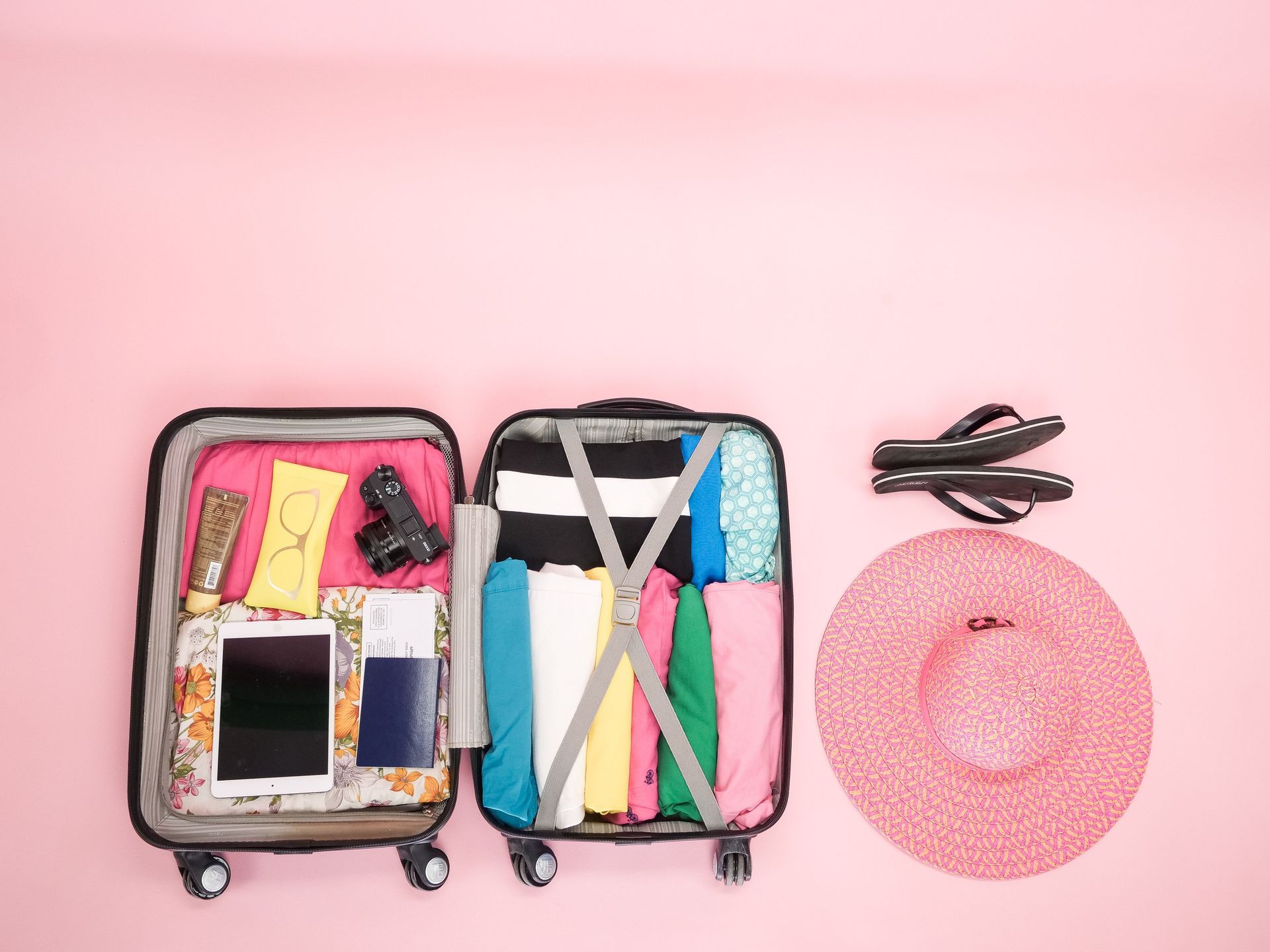
Packing for Turkey requires versatility, as the country’s landscapes and climates range from sun-soaked beaches to snow-capped mountains. Whether exploring bustling cities, ancient ruins, or serene coastal towns, packing the right clothing ensures you can enjoy every experience in comfort and style.

General Packing Tips for Turkey

  • General Packing Tips for Turkey

    The country spans multiple climates and landscapes, so lightweight layers that can be easily added or removed are essential. 


    Breathable fabrics work well for warm coastal regions and cities, while a light jumper or jacket is useful for cooler evenings, inland areas, and air-conditioned transport.

  • Best Footwear for Turkey

    Footwear should balance style, comfort, and functionality. 


    Comfortable walking shoes are essential for exploring historic sites, bazaars, and uneven streets. 

    Sandals work well for coastal towns, while sturdier footwear is recommended for hiking in Cappadocia or mountainous regions.

  • Essential Packing Items for Turkey

    Backpack: A small daypack for mountain hikes or museum visits.


    Sunglasses and Sunscreen: High altitudes intensify UV rays.


    Travel Adapter: Type C/F plugs (230V, 50Hz.  A universal adapter works best.


    Reusable Utensils & Bottle: Lightweight and practical for sustainable travel.


  • Sustainable Packing Tips for Turkey

    Choose Eco-Friendly Clothing:


    Pack lightweight, durable, and breathable fabrics like organic cotton, hemp, or recycled polyester.


    Reusable Essentials:


    Carry reusable shopping bags for souvenirs or groceries.


    Pack reusable utensils and travel mugs for picnics or coffee stops.


    Minimise Single-Use Plastics:


    Avoid disposable packaging when hiking or in city cafés.


    Choose refillable toiletries and eco-friendly personal care items.


    Solid shampoo and conditioner bars reduce plastic waste.


    Pack Efficiently:

    Travel with a lightweight, durable backpack and compact luggage to reduce transport emissions.


    Prioritise versatile clothing that can be layered, mixed, and matched.


TURKish Culture

Turkey’s culture is a rich fusion of Ottoman heritage, Islamic tradition, and modern European influence. Music, poetry, and storytelling remain deeply rooted in daily life, while crafts such as carpet weaving, ceramics, and calligraphy reflect centuries-old traditions. Tea houses, markets, and family-run restaurants form the heart of social life, offering travellers a genuine connection to the local way of living.

Turkey's Festivals

Turkey’s festivals are a vibrant reflection of its cultural depth, blending ancient traditions, spirituality, music, and contemporary creativity. Celebrated across cities, coastal towns, and rural heartlands, these events offer travellers a unique opportunity to experience local life, storytelling, and communal pride, while gaining a deeper understanding of Turkey’s rich and diverse heritage.

Here are five Turkish festivals to experience:

  • Istanbul Tulip Festival – April

    When: April


    Where: Istanbul


    About:  Each spring, Istanbul bursts into colour as millions of tulips bloom across parks, avenues, and historic sites. Rooted in Ottoman history, the festival celebrates the flower’s cultural significance, transforming the city into a living garden that is both elegant and uplifting.

  • Whirling Dervishes Festival

    When: December


    Where: Konya


    About: Held in honour of the poet and philosopher Rumi, this deeply spiritual festival features the mesmerising Sema ceremony. Watching the whirling dervishes perform is a powerful and moving experience, offering insight into Turkey’s mystical traditions and enduring spiritual heritage. It is primarily regional, celebrated in Konya but known worldwide.

  • Aspendos International Opera and Ballet Festival

    When: June-July


    Where: Antalya


    About: Set within one of the world’s best-preserved Roman theatres, this festival brings opera and ballet performances to the ancient city of Aspendos. The combination of classical art and historic surroundings creates a truly unforgettable cultural experience. While regional, it attracts national and international audiences.


  • International Antalya Sand Sculpture Festival

    When: May - October


    Where: Antalya


    About: Along Antalya’s coastline, artists from around the world transform sand into towering sculptures and intricate artworks. 


    This family-friendly festival blends creativity with coastal charm and showcases contemporary artistry against a striking natural backdrop. It is primarily regional, taking place in Antalya, but popular with visitors from across Turkey.

  • Cappadocia Hot Air Balloon Festival

    When:  Summer


    Where: Cappadocia


    About: Celebrating Cappadocia’s iconic ballooning heritage, this festival fills the sky with colour at sunrise and sunset. 


    Visitors can enjoy breathtaking views, live music, and cultural events, making it one of Turkey’s most visually spectacular celebrations. This festival is regional but internationally recognised.

More about Turkey's Culture

  • Turkey's Arts and Crafts

    Turkey is renowned for its craftsmanship. Handwoven carpets and kilims vary by region, each telling a story through colour and pattern. Iznik ceramics feature intricate blue and turquoise designs, while copperware, leather goods, and gold jewellery are staples of traditional markets. Visiting workshops or bazaars is not only a shopping experience but also a cultural one.

TURkish Food

Turkish cuisine is a feast for the senses, both comforting and sophisticated, shaped by centuries of imperial history and rich regional traditions.


Meze plates, overflowing with vibrant dips, cheeses, and fresh vegetables, invite sharing and linger over long, convivial meals. Grilled meats sizzle in open kitchens, slow-cooked stews bubble with fragrant spices, and freshly caught seafood shines along the sun-drenched Aegean and Mediterranean coasts.


The Aegean region is fragrant with olive oil, aromatic herbs, and seasonal vegetables, while the eastern and central regions favour heartier, robust flavours that reflect the land and climate.


Sweet indulgences such as flaky baklava, warm künefe, and syrup-drenched pastries are best savoured alongside a strong cup of Turkish coffee or a glass of steaming tea, offering a true taste of local culture.


Dining in Turkey is unhurried and sociable, where meals are more than nourishment—they are a celebration of life, community, and tradition, and often become one of the most memorable highlights of any journey.

TURKEY's Weather

Turkey’s climate is as diverse as its landscapes, offering something for every type of traveller.


Winter (December–February) brings crisp, snowy days to the inland and eastern regions, perfect for exploring mountainous scenery, while the coast enjoys milder, gentler temperatures.


Spring (March–May) is a particularly magical time to visit, with wildflowers blooming, landscapes turning green, and the weather comfortably warm for sightseeing and outdoor adventures.


Summer (June–August) sizzles along the Aegean and Mediterranean coasts, ideal for sunbathing on turquoise beaches, swimming, and enjoying vibrant seaside towns.


Autumn (September–November) offers a golden window of warmth, with calmer seas, harvest-season flavours, and fewer crowds, making it perfect for exploring ancient ruins, charming villages, and scenic landscapes in peace.
  • Which major airlines fly to Turkey internationally?

    Turkey is exceptionally well connected to destinations across Europe, the Middle East, Asia, and the Americas. 


    Turkish Airlines is the country’s flagship carrier and operates one of the most extensive global route networks in the world. 


    Other major international airlines serving Turkey include British Airways, Lufthansa, Air France, KLM, Emirates, Qatar Airways, and Etihad Airways. 


    Travellers from the United States, Asia, and Australia typically fly directly to Istanbul or connect via major international hubs.

  • What domestic airlines operate within Turkey?

    Domestic air travel in Turkey is efficient and widely used due to the country’s size. 


    Turkish Airlines operates an extensive domestic network, while Pegasus Airlines and SunExpress provide popular low-cost and regional options connecting major cities and resort destinations.


  • What are the main international airports in Turkey?

    Istanbul Airport (IST) is Turkey’s primary international gateway and one of the largest airports in the world. 


    Sabiha Gökçen Airport (SAW) serves the Asian side of Istanbul and is a major hub for low-cost carriers. 


    Ankara Esenboğa Airport (ESB) provides access to the capital, while Antalya Airport (AYT) is the main entry point for Turkey’s Mediterranean coast. 


    Izmir Adnan Menderes Airport (ADB) serves the Aegean region and historic sites such as Ephesus.

  • How can I enter Turkey by land?

    Turkey shares land borders with Greece, Bulgaria, Georgia, Armenia, Azerbaijan (Nakhchivan), Iran, Iraq, and Syria. 


    Entry by car, bus, or train is possible from neighbouring countries, though border procedures vary depending on nationality.


    Travellers should check visa and entry requirements in advance, particularly when crossing overland.

  • Are ATMs readily available in Turkey?

    ATMs are widely available throughout cities, towns, and tourist areas, and international credit and debit cards are commonly accepted in hotels, restaurants, and larger shops. 


    It is advisable to carry some cash when travelling to rural areas or local markets..

  • What health precautions should I take before travelling to Turkey?

    No mandatory vaccinations are required for most travellers, although routine immunisations are recommended. 


    Travel insurance is strongly advised, and visitors should bring any prescription medications along with copies of their prescriptions. 


    Tap water is generally safe in major cities, but filtered or bottled water is widely used and recommended in rural areas.

  • What languages are spoken in Turkey?

    Turkish is the official language and is spoken throughout the country. 


    English is widely understood in tourist areas, hotels, and major cities, particularly among younger people. 


    German, Russian, and Arabic are also commonly spoken in popular resort regions.

  • What currency is used in Turkey?

    The official currency is the Turkish Lira (TRY). 


    While some hotels and tourist businesses may accept Euros or U.S. Dollars, it is recommended to pay in local currency for the best value. 

    Currency exchange offices and banks are readily available.

  • Do I need a visa to enter Turkey?

    Citizens of the UK, EU countries, the United States, Canada, Australia, and many other nationalities can enter Turkey visa-free for short stays, typically up to 90 days within a 180-day period. 


    Some nationalities are required to obtain an electronic visa (e-Visa) before travel.


    Entry requirements can change, so travellers should always check official guidance prior to departure.

  • What are the tipping guidelines for Turkey?

    Tipping is customary but not obligatory in Turkey. 

    In restaurants, a tip of around 5–10% is appreciated if service is good. 

    In cafés, rounding up the bill is common. Taxi fares are often rounded up, while hotel staff such as porters or housekeeping may be tipped a small amount as a gesture of appreciation.

Frequently Asked Questions for TURKEY

Inspirational Blog Posts you might like 

Monopoly Green house stands out among scattered red houses.
By Kelly Forbes November 21, 2025
Uncover the hidden world behind luxury hotels: ownership structures, management contracts, and the importance of sustainable and restoration-focused travel.
By Kelly Forbes August 22, 2025
Discover how overtourism and housing pressures are driving global crack downs. Learn what regulations mean for travellers, locals, and the future of city stays.
Cinque Terre fishing village by sunset
By Kelly Forbes August 11, 2025
Discover how to explore Cinque Terre by train, foot and ferry. Hike scenic trails, avoid the crowds, and dine smart with this ultimate travel guide.

JOIN OUR NEWSLETTER

Experience the world of sustainable luxury travel with us by subscribing to our newsletter ‘The Circular’.

Let A’ARU Collective be your trusted companions on a journey that is both enriching and captivating

No spam. We respect your privacy.