
Indonesia Eco-Luxury Hotels
The A’ARU Collective Approach to the Archipelago
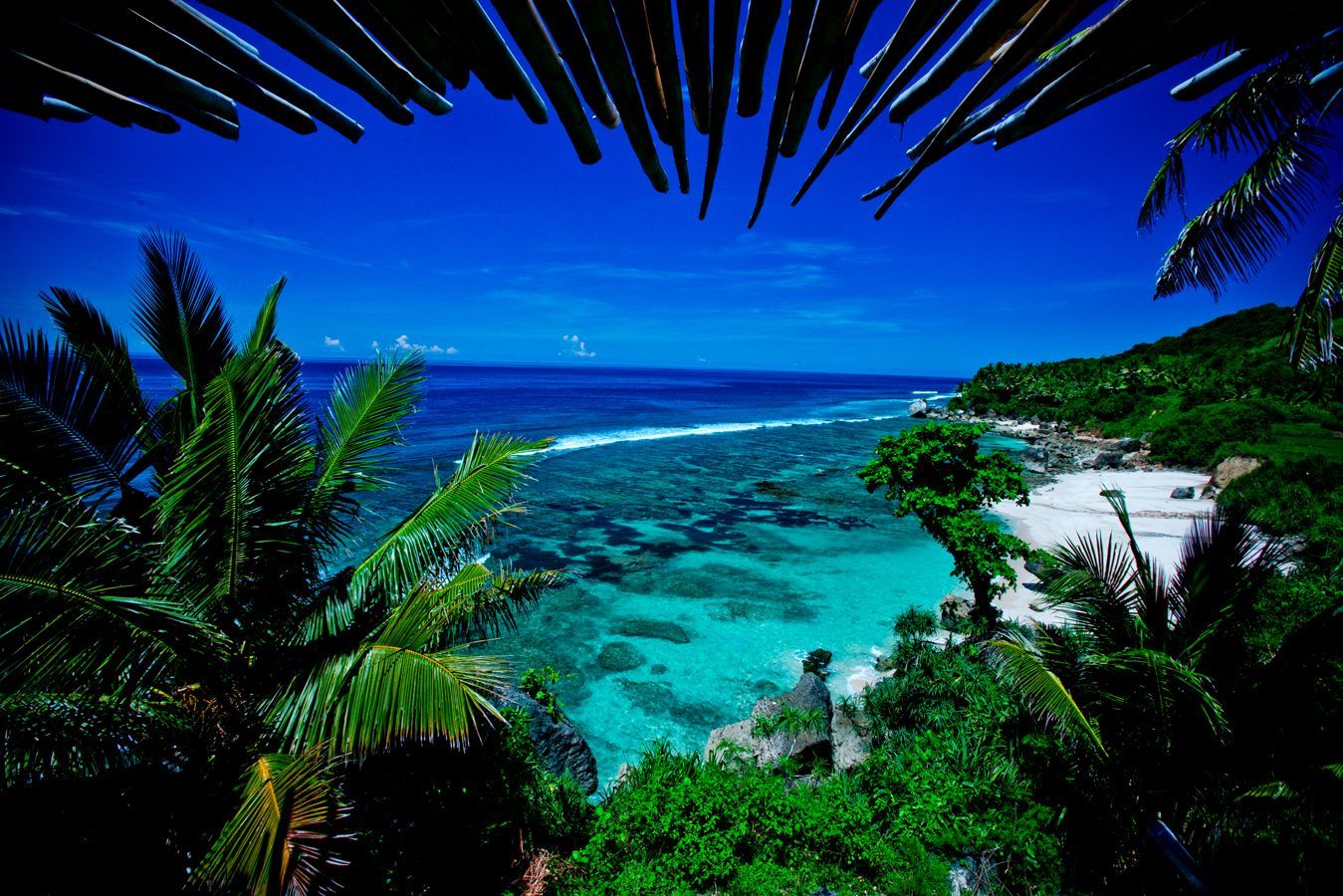
Indonesia, the world’s largest archipelagic nation, is a mesmerising mosaic of over 17,000 islands stretching between the Indian and Pacific Oceans. Known as the "Emerald of the Equator".
Shaped by ancient civilizations, maritime trade, and spiritual heritage, the country offers a journey that is as rich as it is varied.
From the vibrant streets of Jakarta to the sacred temples of Bali, Indonesia seamlessly blends tradition with contemporary life. Each island carries its own identity—expressed through music, art, cuisine, and ritual—creating a cultural depth that is both fascinating and deeply alive.
Nature defines Indonesia’s soul. Lush rainforests, dramatic volcanoes, terraced rice fields, and pristine beaches stretch across the horizon, while warm tropical waters shelter some of the world’s most vibrant marine life. Whether exploring mist-covered highlands or sunlit shores, travellers are drawn into a landscape of remarkable beauty and enduring wonder.
Indonesia offers a mosaic of experiences that inspire, captivate, and remain unforgettable.
INDONESIA's sustainable Hotel collection


Where travel meets purpose
INDONESIA Quick Guide
Bahasa Indonesia
Indonesian Rupiah (IDR)
Code +62
UTC/GMT
+7/9 Hours
Type C and F (230 Volt, 50 Hz)
14–16 Hours
from the UK
INDONESIA’s Unique Experiences
Indonesia, a nation of diverse cultures and awe-inspiring landscapes, offers an extraordinary blend of untouched natural beauty and deep-rooted heritage.
A'ARU Collective champions sustainable luxury travel, ensuring that premium experiences harmoniously coexist with environmental stewardship—preserving the magic of Indonesia for generations to come.
To book experiences, please contact us
Ultimate Packing Guide for INDONESIA
Indonesia stretches across more than 17,000 islands, with landscapes ranging from steamy jungles and sun-soaked beaches to misty volcanic highlands. Its terrain shifts dramatically from one region to the next, making thoughtful packing essential for whatever adventure the archipelago throws your way.
General Packing Tips for Indonesia
General Packing Tips for Indonesia
Climate Considerations: Indonesia’s climate is equatorial and humid year-round, with a dry season (May–October) and wet season (November–April).
Respect Local Customs: Modesty is appreciated in many areas, particularly during temple visits or when travelling through more conservative regions. Loose-fitting tops and trousers or long skirts work well and are also ideal for managing the heat. Sarongs and lightweight cover-ups are versatile additions— perfect for beach days, sun protection, or respectfully entering sacred sites.
Versatility is Key:
Layering helps manage both humidity and occasional cool evenings.
Best Clothing to pack for Indonesia
Lightweight Clothing: Opt for breathable, durable fabrics like organic cotton, hemp, and linen. These materials keep you cool and are comfortable for all-day wear.
Tops and Bottoms: Pack a mix of short-sleeve and long-sleeve tops, lightweight trousers, and shorts. These should be versatile and easily layered.
Dresses and Skirts: Lightweight and breathable dresses and skirts are great for casual wear and can be easily dressed up or down. Ensure they are knee-length or longer for temple visits.
Swimwear: Choose swimwear that dries quickly and resists fading from chlorine or salt water.
Waterproof Jacket: A lightweight, packable rain jacket is essential during the rainy season.
Layers: Despite the generally warm climate, a lightweight cardigan or jumper can be useful for cooler evenings or air-conditioned environments.
Best Footwear for Indonesia
Footwear should match your adventure level: walking sandals or comfy trainers are great for everyday exploring, while sturdier hiking shoes are needed for jungle treks or climbing volcanoes.
A pair of flip-flops is always useful for beach outings or relaxing evenings.
Sun Protection whilst in Indonesia
Hats: A wide-brimmed hat is crucial for protecting your face from the intense sun.
Sunglasses: Choose sunglasses with 100% UV protection and a durable design.
Cover-ups: A convertible wrap or cover-up is incredibly versatile. It provides sun protection, a modesty layer for temple visits, and warmth during cool evenings or flights.
Opt for reef-safe sun block.
Essential Packing Items for Indonesia
Adapters: A universal adapter is crucial for keeping your devices charged.
Umbrella: A compact, sturdy umbrella is useful for both sun and rain protection.
Reef-Safe Suncream: High SPF, reef-safe sunscreen is essential due to Indonedia's high UV index. Purchase this before you go, as local options may be limited and expensive. Look for eco-friendly, biodegradable formulas.
Insect Repellent: Essential year-round, choose a formula that is effective against heat and sweat. Natural options with ingredients like citronella or eucalyptus oil are preferable.
First-Aid Kit: Bring any specific medications you require, as they may be difficult to find locally. A basic first-aid kit should include motion-sickness medicine, bug spray, and any other personal health items.
Sustainable Travel Tips for Indonesia
Reusable Water Bottle: Indonesia's heat makes staying hydrated essential. Bring a reusable water bottle to reduce plastic waste.
Reusable Shopping Bags: These are handy for carrying your purchases and reducing plastic bag use.
Eco-Friendly Travel Accessories: From bamboo toothbrushes to biodegradable shampoo bars, consider packing items that minimise your environmental impact.
INDONESIA’s Culture
Indonesia’s culture is a vibrant fusion of over 300 ethnic groups, each with distinct traditions, languages, and festivals.
From the Hindu ceremonies in Bali, Javanese shadow puppetry, and Minangkabau matrilineal customs to Papuan tribal art, Indonesia is a living gallery of cultural expression.
Traditional dances, gamelan music, intricate batik art, and spiritual rituals like Nyepi and Waisak offer travellers a chance to witness Indonesia’s depth and diversity firsthand.
With a strong emphasis on community, family, and spirituality, Indonesian culture warmly welcomes those who travel with curiosity and respect.
Indonesia’s Festivals
Indonesia’s vibrant cultural tapestry is best experienced through its festivals—spiritual, historical, and communal events that offer deep insight into the nation’s diversity.
From the solemn silence of Bali’s Nyepi to the joyous mock battles of Papua’s Baliem Valley, these festivals reflect Indonesia’s rich traditions and inclusive spirit.
Here are five Indonesian festivals to experience:
Nyepi (Day of Silence)
When: - Every 210 days based on the Saka New Year Calendar
Where: Bali
About: A 24‑hour Hindu New Year of silence, fasting, and meditation. Preceded by ogoh-ogoh (demon effigy) parades and followed by Ngembak Geni when life resumes
Galungan & Kuningan
When: Every 210 days
Where: Bali
About:Celebrates the victory of dharma. Streets adorned with penjor (bamboo poles) and families offer prayers to welcome ancestral spirits .
Borobudur Vesak Lantern Festival
When: Vesak Day (May)
Where: Magelang, Java
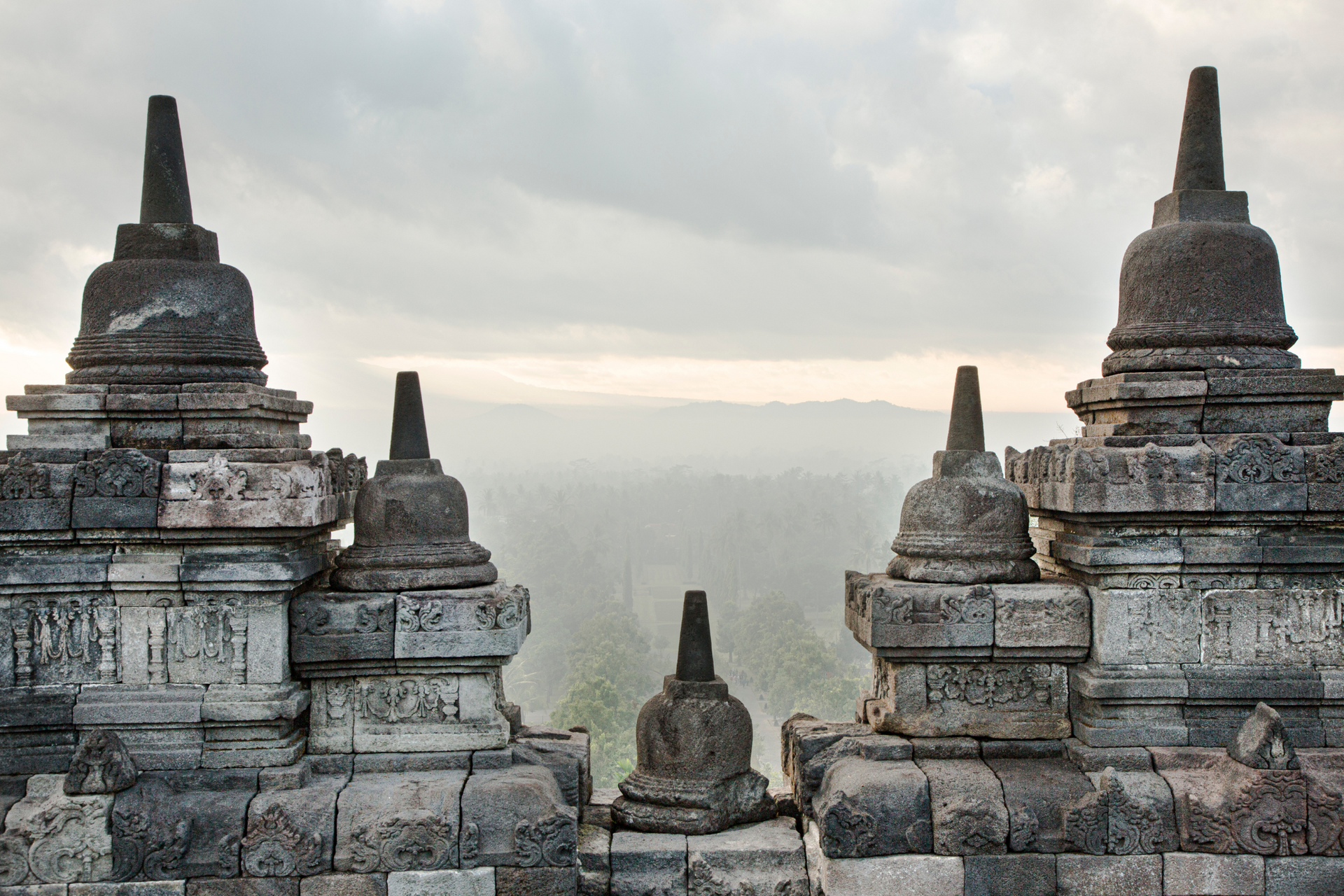
About: Thousands gather at Borobudur temple for lantern release, chanting, and ritual bathing to commemorate Buddha’s birth, enlightenment and death .
Bau Nyale Fishing Festival
When: Feb–Mar
Where: Lombok
About: A colourful coastal tradition where locals catch “nyale” (sea worms), tied to Princess Mandalika folklore.
Java Jazz Festival
When: Early June
Where: Jakarta
About: One of the world’s largest jazz festivals, featuring Indonesian and international artists over three days.
More about Indonesia's Culture
Indonesia’s Arts and Crafts
Indonesia’s artisan traditions are a journey through diversity—spanning batik, wood carving, puppetry, and more.
• Batik & Ikat: Textiles dyed with resist techniques on Java, Bali, and Lombok.
• Wood Carving & Puppet Art: The villages of Mas (Bali) and Yogyakarta craft ornate carvings and wayang kulit (shadow puppets).
• Pottery & Ceramics: Earthy wares from Central Java's villages reflect centuries-old traditions.
• Silverwork & Jewelry: Lombok’s Mataram area offers exquisite pearl and silver creations.
• Paper & Textile Crafts: Masks, baskets, puppets and manuscripts—each a testament to local stories and folklore.
These crafts are not only stunning souvenirs but also support living cultural heritage and village economies.
INDONESIA’s Food
Indonesian cuisine is a vibrant fusion of flavours and regional diversity, rooted in the daily staples of rice (nasi), noodles, and congee. Signature dishes reflect the nation’s culinary richness, with favourites such as nasi goreng (fried rice), satay (skewered grilled meat), bakso (meatball soup), soto (a traditional broth with meat and vegetables), and rendang (a richly spiced, slow-cooked beef dish).
A crucial element of many meals is sambal, a fiery and aromatic condiment made from chillies, garlic, and lime. Street food plays an essential role in Indonesian culinary culture and can be safely enjoyed where hygiene is observed, particularly in night markets.
The country’s tropical climate also yields an abundance of exotic fruits, including mango, rambutan, jackfruit, snake fruit, and the famously pungent durian—each offering a burst of bold, fresh flavour.
INDONESIA's Weather
Indonesia experiences two main seasons: the dry season, from April to October, brings sun-drenched days that are ideal for beach adventures and outdoor activities, while the wet season, from November to March, is characterised by frequent afternoon showers—particularly in regions such as Sumatra and Java—though rainfall rarely disrupts travel plans entirely.
Regional variations also play a role in the climate; highland areas like Ubud and Mount Bromo tend to be noticeably cooler in the evenings, offering a refreshing contrast to the otherwise year-round tropical humidity that prevails across much of the archipelago.



JOIN OUR NEWSLETTER
Experience the world of sustainable luxury travel with us by subscribing to our newsletter ‘The Circular’.
Let A’ARU Collective be your trusted companions on a journey that is both enriching and captivating
No spam. We respect your privacy.