DESTINATION

MALAYSIA

INTRODUCING MALAYSIA

Malaysia, often described as  “Truly Asia”, is a dazzling Southeast Asian destination that blends modern sophistication with ancient traditions, lush rainforests, and idyllic coastlines.


Straddling the Malay Peninsula and Borneo, the country offers travellers a rich mosaic of cultures, cuisines, and landscapes. 


From the futuristic skyline of Kuala Lumpur and the colonial charm of George Town, Penang, to the tea-blanketed highlands of Cameron Highlands and the coral-fringed islands of the Perhentians and Sipadan, Malaysia invites exploration on every level.


Beyond its cities and beaches, dense jungles shelter orangutans, hornbills, and countless species, making it one of the world’s most biodiverse destinations.

Featured MALAYSIA Hotels

Aerial view of a secluded turquoise bay, white sandy beach, and lush green jungle, under a cloudy sky.

THE DATAI

Enthroned in one of the world’s oldest rainforests and embraced by the pristine sands of Datai Bay, The Datai Langkawi embodies the luxury to be at one with nature.

FIND OUT MORE

Where travel meets purpose

MALAYSIA Quick Guide

A black and white icon of two speech bubbles with chinese characters on them.

Malay (Bahasa Malaysia, official), English widely spoken, plus Mandarin, Tamil, and local dialects


A black and white drawing of a dollar , euro , and pound coins.

Malaysian Ringgit (MYR)

A black and white drawing of a phone on a white background.

Code +60

A black and white globe with a clock inside of it.

UTC/GMT

+8 Hours

A black and white icon of a plug with a lightning bolt on it.

Type G (240V, 50Hz)

A black and white drawing of an airplane and a clock.

13-14 Hours

MALAYSIA’s Unique Experiences 

This land of rich cultural fusion and diverse landscapes, invites travellers to discover truly unique experiences—from rainforest adventures and highland retreats to island escapes and vibrant cultural journeys.


A'ARU Collective champions responsible luxury travel, ensuring these one-of-a-kind moments are enjoyed responsibly while preserving the beauty and spirit of Malaysia for generations to come.


To book experiences, please contact us
Borobudur's stone stupas with bell-shaped tops, silhouetted against a misty landscape.

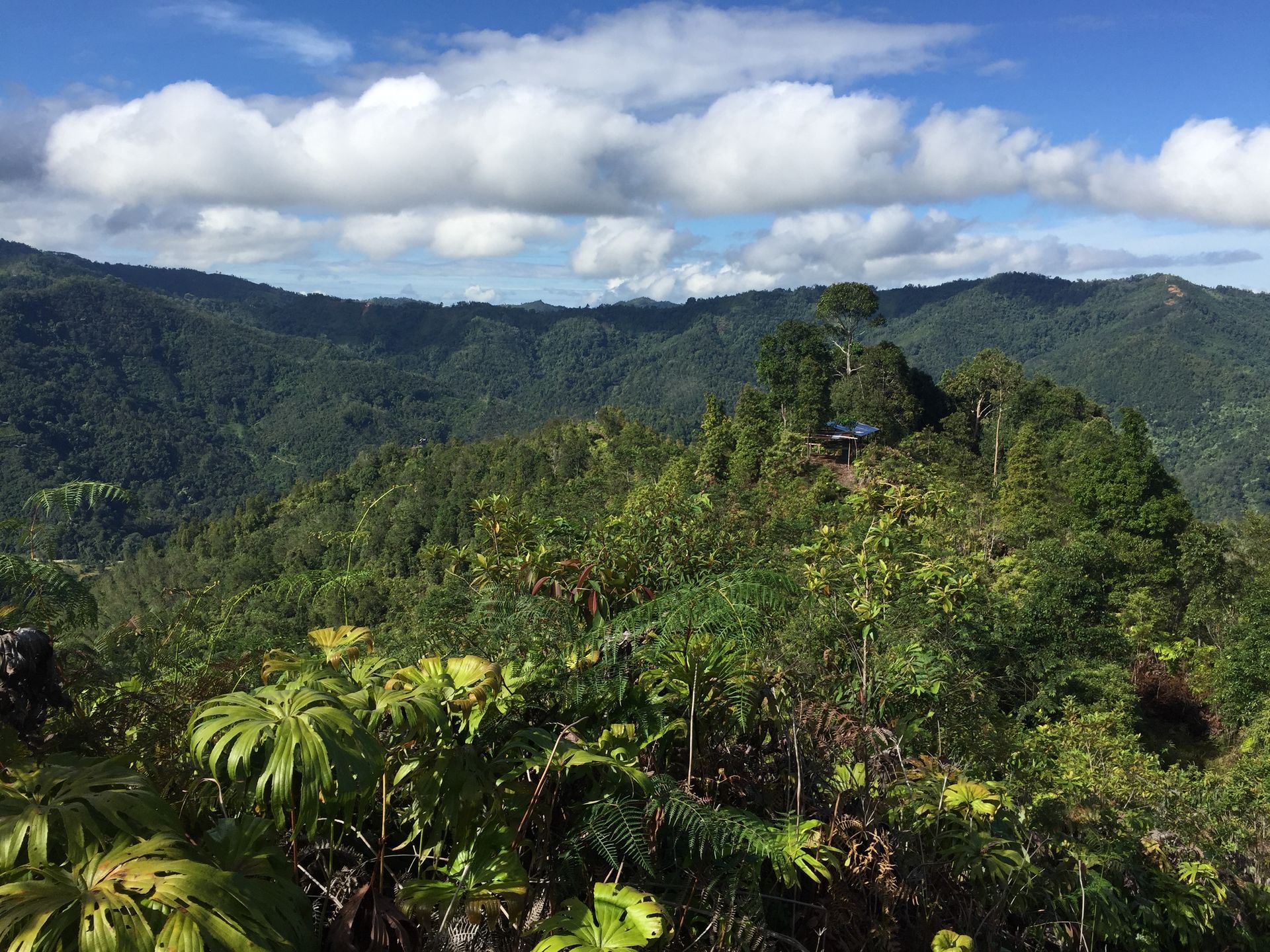
Rainforest Trekking in Borneo

Venture into Sabah or Sarawak for a jungle adventure, where expert naturalists guide you through orangutan sanctuaries,

canopy walkways, and tribal longhouses, highlighting Malaysia’s deep

connection to nature and indigenous traditions.

Island Hopping in Langkawi

Cruise through Langkawi’s 99 islands, exploring limestone karsts, mangrove forests, and hidden coves.


End the day with a sunset sail and fresh seafood feast beneath the stars.

Tea Trails of the Cameron Highlands

Stroll through emerald tea plantations, colonial bungalows, and mossy forests in Malaysia’s cool hill country.


Private tours showcase tea-tasting rituals and conservation efforts in this delicate ecosystem.

Diving in Sipadan

Considered one of the world’s top dive sites, Sipadan Island in Borneo offers unparalleled

underwater encounters—from swirling barracuda schools to green turtles and reef sharks—

within a strictly protected marine reserve.

TRAVEL ETIQUETTE

Respect Thailand’s Local Culture and Traditions

  • Dressing Respectfully

    A woman is standing in front of a statue holding a flower.

    When visiting temples or rural areas in Thailand, wear modest attire. Ensure your shoulders and knees are covered to show respect for local customs and traditions.

  • Temple Etiquette

    A white building with a red roof is surrounded by trees and bushes
    • Remove your shoes before entering temples.
    • Keep your head lower than Buddha statues.
    • Avoid pointing your feet towards Buddha statues.
  • Cultural Greetings

    A man in a yellow shirt is standing in front of a building with his hands folded.
    • Embrace the traditional Thai greeting, the wai, by placing your hands together in a prayer-like gesture and bowing slightly, especially when greeting elders and monks.
    • Reserve the wai for hands-free moments when handling street food or settling bills; opt for a friendly nod or bow instead.
  • Proper Use of Hands

    A woman is standing in front of a food stand holding a drink.
    • Use your right hand for passing items and financial transactions.
    • Keep your left hand discreetly in the background
    • Avoid Pointing: Summon someone with a friendly wave and palm facing up instead of pointing.
    • Respect Feet: Keep your feet grounded and avoid pointing them at people or religious objects
    • Sacred Heads: Treat heads as sacred and avoid touching others' heads.
    • Respect Monks: Show appreciation for monks from a distance and avoid physical contact.
    • Thai Smile: Use the Thai smile as a universal key to making friends and connecting with locals.

Being Environmental Responsible in Thailand

  • Luxury Without Plastic

    A sign for a restaurant is surrounded by umbrellas hanging from the ceiling.

    Carry a reusable,  water bottle and refuse single-use plastics. Most Luxury hotels now offer water refill stations.

  • Ethical Wildlife Experiences

    A man and woman are riding on the back of an elephant.

    Choose private experiences that prioritise animal welfare, such as visits to ethical sanctuaries and conservation programs over elephant riding or tiger temples.

  • Leave No Trace

    A person is standing on a wooden bridge in the jungle.

    Whether hiking in the mountains or lounging on the beach, ensure that all waste is responsibly disposed of and leave the natural surroundings untouched.

Supporting Thailand’s Local Communities

  • Invest in Local Artisans

    A woman is standing in a crowded market and smiling.

    Purchase quality, locally-made products from artisans and markets. This supports the economy and preserves traditional crafts.

  • Gourmet Local Dining

    A pot of soup is sitting on a wooden table.

    Savour meals at locally-owned restaurants that offer authentic Thai cuisine with a modern twist, supporting local chefs and farmers.

  • Luxury Eco-Lodging

    A house is sitting on a small island in the middle of a lake surrounded by trees.

    Choose accommodations that combine luxury with sustainability, such as boutique hotels and resorts that prioritise local ownership, a circular economy and environmental responsibility.

Transportation Choices around Thailand

  • Eco-Luxury Transport

    A man in a uniform is standing at a train station

    Opt for sustainable transport options such as train travel and hybrid or electric luxury cars provided by recognised hoteliers or reputable Destination Management Companies (DMCs) or Ground Handlers.

  • Exclusive Bicycle Tours

    A blue bicycle with a basket is parked in front of a white wall

    In cities like Chiang Mai, enjoy exclusive guided bicycle tours that allow you to explore while minimising your carbon footprint.

Thailand’s Wildlife and Nature Conservation 

  • Marine Conservation

    A sea turtle is swimming in the ocean with the sun shining through the water.

    When enjoying diving or snorkeling experiences, avoid touching coral reefs and marine animals. Use quality reef-safe sunscreen to protect the underwater ecosystem.

  • Collaborative Clean-Up Events

    A building with a sign that says jasmine on it

    Participate in clean-up efforts, often organised by NGOs or luxury resorts, to help maintain beaches, forests, and other natural areas.

  • Adhere to Park Regulation

    A monkey standing on top of a stone pillar

    Follow rules and guidelines in national parks to minimise your impact on wildlife and their habitats, ensuring that these pristine environments remain unspoiled.

Luxury travel in Thailand can be both bountiful and responsible. By practicing sustainable travel etiquette, you can enjoy the country's beauty while making a positive impact on its environment, culture, and local communities. Travel mindfully, ensuring that Thailand remains a breathtaking and welcoming destination for generations to come.

responsible TRAVEL ETIQUETTE for  MALAYSIA

Malaysia is a multicultural nation where Islam, Buddhism, Hinduism, and Christianity coexist. Respect for traditions, modest attire in sacred spaces, and sensitivity to religious practices will enhance your experience.

Respecting Malaysia’s Local Culture and Traditions

  • Dressing Respectfully

    In mosques and temples, cover shoulders and knees; women may be asked to wear a headscarf in mosques (often provided).


    Remove shoes before entering homes and places of worship.


    Swimwear is fine on beaches and resorts but should be modest in public or rural areas.


  • Temple Etiquette

    When visiting temples in Malaysia, dress modestly by covering your shoulders and knees, remove your shoes before entering, and maintain a quiet, respectful demeanor. 


    Ask permission before taking photos, avoid touching sacred objects, and observe rituals politely. 


    Donations are appreciated but not required, and following local customs and signage will help ensure a respectful visit.

  • Cultural Greetings

    A common greeting is a gentle handshake, often followed by placing the hand over the heart.


    The traditional salam (a two-handed handshake with a slight bow) shows respect.


    Avoid physical contact between opposite genders unless initiated.


  • Proper Use of Hands

    • Use your right hand for giving or receiving items.


    • Avoid pointing with your index finger—gesture with the whole hand.


    • Showing the soles of your feet is considered impolite.


Being Environmentally Responsible in Malaysia

  • Life Without Plastic

    Carry a reusable bag and water bottle; Many resorts and cafes offer water refill stations.


  • Ethical Wildlife Experiences

    Visit sanctuaries such as Sepilok Orangutan Rehabilitation Centre or Bornean Sun Bear Conservation Centre. 


    Avoid zoos and animal shows.

  • Leave No Trace

    Whether island-hopping or jungle trekking, ensure you pack out all waste.

Supporting Malaysia’s Local Communities

  • Invest in Local Artisans

    Shop at indigenous cooperatives. 


    Batik fabrics & clothing – Traditional hand-painted or printed cloth, often used for shirts, scarves, or wall hangings.


    Songket textiles – Luxurious handwoven fabric with gold or silver threads, great as gifts or decorative items.


    Handmade wooden carvings & crafts – Particularly from Sarawak and Sabah.


    Local artwork & prints – Paintings or prints by Malaysian artists, including contemporary and indigenous art.

  • Local Dining

    Street food is safe, delicious, and a great way to experience the country’s culinary diversity. 


    Enjoy pineapple tarts & kuih – Traditional Malaysian cookies, especially popular during festive seasons.


    White coffee & local teas – Ipoh white coffee or Cameron Highlands tea.


    Local spices & pastes – Rendang paste, laksa paste, or chili sauces for cooking Malaysian flavors at home.


    Dried tropical fruits – Durian, mango, or papaya.

  • Authentic Lodging

    Choose accommodations that combine luxury with sustainability, such as boutique hotels and resorts that prioritise local ownership, a circular economy and environmental responsibility.

Transportation Choices around Malaysia

  • Transport

    Malaysia has a growing network of trains and long-distance buses linking major destinations. 


    Consider the ETS train between Kuala Lumpur and Penang for a scenic, low-emission option.

    Opt for transport options provided by recognised hoteliers or reputable Destination Management Companies (DMCs) or Ground Handlers.

  • Cycling and Walking Tours

    Explore George Town, Melaka, or Ipoh on foot or bicycle to absorb their heritage charm.


    These slow travel options offer immersive, eco-friendly experiences.

Malaysia’s Wildlife and Nature Conservation 

  • Marine Conservation

    Malaysia is home to rich marine biodiversity, including coral reefs, mangroves, and sea turtles, and has established several marine parks like Sipadan and Tunku Abdul Rahman Park to protect these ecosystems. 


    Conservation efforts focus on sustainable fishing, coral restoration, and community-led initiatives to safeguard marine life for future generations.

  • Collaborative Clean-Up Events

    Volunteer with local groups or eco-resorts to clean beaches and forests. 


    Your participation helps protect habitats and supports conservation awareness.

  • Adhere to Park Regulation

    Malaysia's national and marine parks, have strict regulations to protect wildlife and the environment. 


    Visitors are expected to stay on designated trails, avoid littering, refrain from feeding animals, and follow rules on camping, fires, and water activities to ensure safety and conservation.

Ultimate Packing Guide for MALAYSIA

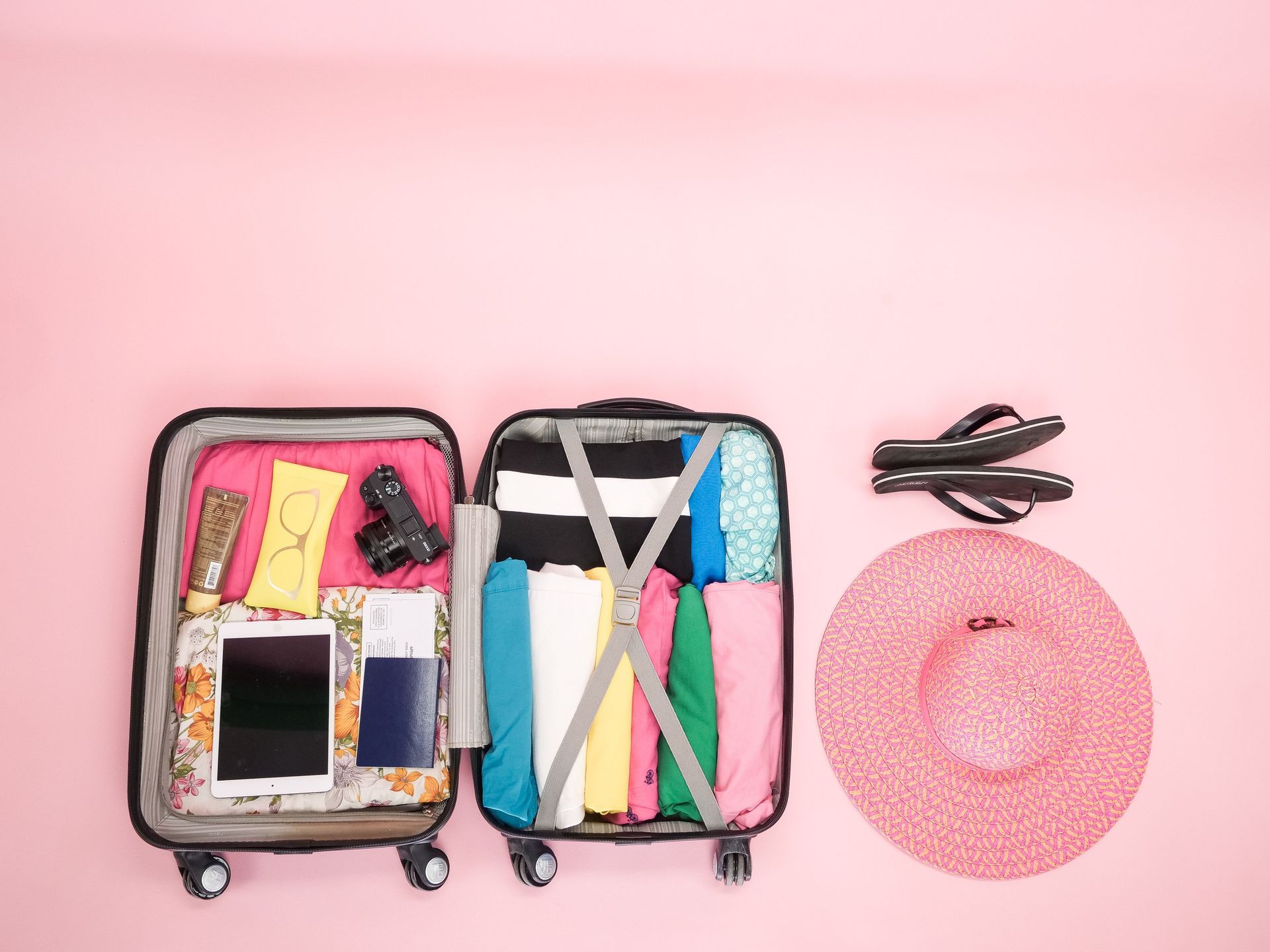
From tropical rainforests and bustling cities to pristine beaches and cultural sites, packing smart is key to staying comfortable, safe, and respectful of local customs. This guide will help you bring the essentials—from lightweight clothing and rain gear to cultural-appropriate attire—so you can enjoy every corner of Malaysia without hassle.

General Packing Tips for Malaysia

  • General Packing Tips for Malaysia

    Climate Considerations: 


    West Coast: Dry season (Dec–Mar); Wet season (Apr–Nov)

    East Coast & Borneo: Dry season (Apr–Sep); Wet season (Oct–Mar)


    Respect Local Customs: Modesty is appreciated in many areas, particularly during temple visits or when travelling through more conservative regions. Loose-fitting tops and trousers or long skirts work well and are also ideal for managing the heat. Sarongs and lightweight cover-ups are versatile additions— perfect for beach days, sun protection, or respectfully entering sacred sites. 


    Versatility is Key:

    Quick-drying fabrics, modest attire for temples, and layers for highlands or air-conditioned spaces.


  • Best Clothing to pack for Malaysia

    Lightweight Clothing: Opt for breathable, durable fabrics like organic cotton, hemp, and linen. These materials keep you cool and are comfortable for all-day wear.


    Tops and Bottoms: Pack a mix of short-sleeve and long-sleeve tops, lightweight trousers, and shorts. These should be versatile and easily layered.


    Dresses and Skirts: Lightweight and breathable dresses and skirts are great for casual wear and can be easily dressed up or down. Ensure they are knee-length or longer for temple visits.


    Swimwear: Choose swimwear that dries quickly and resists fading from chlorine or salt water.


    Waterproof Jacket: A lightweight, packable rain jacket is essential during the rainy season.


    Layers: Despite the generally warm climate, a lightweight cardigan or jumper can be useful for cooler evenings or air-conditioned environments.


  • Best Footwear for Malaysia

    Footwear should match your adventure level: walking sandals or comfy trainers are great for everyday exploring, while sturdier hiking shoes are needed for Borneo’s rainforest trails or Mount Kinabalu. 


    A pair of flip-flops is always useful for beach outings or relaxing evenings.


  • Sun Protection whilst in Malaysia

    Hats: A wide-brimmed hat is crucial for protecting your face from the intense sun.


    Sunglasses: Choose sunglasses with 100% UV protection and a durable design.


    Cover-ups: A convertible wrap or cover-up is incredibly versatile. It provides sun protection, a modesty layer for temple visits, and warmth during cool evenings or flights.


    Opt for reef-safe sun block.

  • Essential Packing Items for Malaysia

    Adapters: A universal adapter is crucial for keeping your devices charged. 


    Umbrella: A compact, sturdy umbrella is useful for both sun and rain protection.


    Reef-Safe Suncream: High SPF, reef-safe sunscreen is essential due to Indonedia's high UV index. Purchase this before you go, as local options may be limited and expensive. Look for eco-friendly, biodegradable formulas.


    Insect Repellent: Essential year-round, choose a formula that is effective against heat and sweat. Natural options with ingredients like citronella or eucalyptus oil are preferable.


    First-Aid Kit: Bring any specific medications you require, as they may be difficult to find locally. A basic first-aid kit should include motion-sickness medicine, bug spray, and any other personal health items.

  • Sustainable Travel Tips for Malaysia

    Reusable Water Bottle: Malaysia's heat makes staying hydrated essential. Bring a reusable water bottle to reduce plastic waste.


    Reusable Shopping Bags: These are handy for carrying your purchases and reducing plastic bag use.


    Eco-Friendly Travel Accessories: From bamboo toothbrushes to biodegradable shampoo bars, consider packing items that minimise your environmental impact.

MALAYSIA’s Culture

Malaysia’s culture reflects centuries of trade and migration, blending Malay, Chinese, Indian, and indigenous traditions.

Customs like Hari Raya Aidilfitri, Chinese New Year, and Deepavali embody the country’s multicultural spirit, while arts such as batik painting, silat martial art, and wayang kulit shadow theatre reveal deep creative roots.

Hospitality and respect—particularly toward elders—are cornerstones of Malaysian society.

Malaysia’s Festivals

Malaysia is a melting pot of cultures, celebrated through vibrant festivals year-round.  These events feature traditional music, dance, food, and rituals, offering visitors a lively glimpse into the country’s rich cultural heritage.

Here are five Malaysia festivals to experience:

  • Hari Raya Aidilfitri (Eid al-Fitr)

    When: Varies (end of Ramadan) 


    Where: Nationwide


    About: Family reunions, open houses, feasts, and colourful attire marking the end of fasting.

  • Chinese New Year

    When: January or February (lunar calendar)


    Where: Nationwide, especially Penang and Kuala Lumpur


    About: Lion dances, lanterns, fireworks, and festive banquets.


  • Thaipusam

    When: January or February


    Where: Batu Caves, Selangor


    About: A spectacular Hindu festival where devotees carry kavadis (ornate frames) in a dramatic procession of faith and endurance

  • Gawai Dayak

    When: 1–2 June


    Where: Sarawak (Borneo)


    About: Harvest festival celebrated by indigenous Dayak communities with rituals, music, and traditional dance.


  • Kaamatan (Harvest Festival)

    When:  May


    Where: Sabah (Borneo)


    About: Celebrations of rice cultivation with music, feasting, and cultural performances.


More about Malaysia's Culture

  • Malaysia’s Arts and Crafts

    IMalaysia’s crafts showcase both traditional artistry and contemporary innovation:


    • Batik & Songket: Intricate textiles, hand-dyed and woven with gold or silver threads.


    • Woodcarving: Decorative panels and furniture reflecting Malay and Islamic motifs.


    • Pewterware: Kuala Lumpur’s Royal Selangor is world-renowned.


    • Beadwork & Weaving: Practised by indigenous communities in Borneo.


    • Performing Arts: From shadow puppet theatre (wayang kulit) to traditional dance and gamelan music.


MALAYSIA’s Food

Malaysia’s food scene is a vibrant crossroads of flavors, blending Malay, Chinese, Indian, and indigenous influences into a unique culinary tapestry.


Rice and noodles form the heart of many meals, with iconic dishes like mee goreng, laksa, and nasi lemak—the nation’s beloved signature dish.


Malay cuisine dazzles with smoky satay skewers, rich rendang, and colorful nasi kerabu, while Chinese-Malaysian fare offers favorites such as char kway teow and fragrant Hainanese chicken rice. Indian-Malaysian dishes bring the aroma of spiced curries, crispy roti canai, and sweet, frothy teh tarik.


In East Malaysia, indigenous communities in Sabah and Sarawak serve bamboo-cooked rice, fresh river fish, and jungle ferns, highlighting local ingredients and traditions.


Tropical fruits like durian, mangosteen, rambutan, and papaya add natural sweetness to the Malaysian table, and local drinks—from iced Milo to kopi o and pulled teh tarik—complete the flavorful experience.

MALAYSIA's Weather

Malaysia’s climate varies by region, so timing your visit can make a big difference. The west coast, including Langkawi, Penang, and Kuala Lumpur, is at its best from December to March, while April to November tends to be wetter.


On the east coast, covering the Perhentian Islands, Tioman, and Redang, the ideal months are April to September, with the monsoon season arriving between October and March.


Borneo, including Sabah and Sarawak, is hot and humid year-round, with rain possible anytime, though the wettest months are usually November to February.


For a cooler escape, the highlands—such as Cameron Highlands, Genting Highlands, and Kundasang—offer refreshing temperatures, often shrouded in mist, making them a pleasant retreat from the lowland heat.
  • Which major airlines fly to Malaysia internationally?

    Malaysia is well-connected with numerous international carriers, including:


    • Malaysia Airlines – the national carrier with routes across Asia, Europe, and Australia


    • AirAsia – Malaysia’s low-cost airline with extensive regional coverage


    • Singapore Airlines, Thai Airways, Cathay Pacific, Korean Air, Japan Airlines – major Asian connections


    • Emirates, Qatar Airways, Turkish Airlines, Etihad Airways – Middle Eastern hubs


    • Lufthansa, British Airways, Air France – European connections, some seasonal or via codeshare


  • What domestic airlines operate within Malaysia?

    Several domestic carriers link the peninsula and Borneo:


    • Malaysia Airlines – full-service, reliable coverage nationwide


    • AirAsia – low-cost carrier with frequent domestic flights


    • Malindo Air – mid-tier service connecting major cities


    • Firefly – a regional airline serving secondary airports and Penang–Langkawi routes


  • What are the main international airports in Malaysia?

    Kuala Lumpur International Airport (KLIA / KUL) – main hub on the west coast, close to the capital


    • Penang International Airport (PEN) – gateway to the northern states and heritage sites


    • Kota Kinabalu International Airport (BKI) – primary airport for Sabah, Borneo


    • Kuching International Airport (KCH) – main airport for Sarawak, Borneo


    • Langkawi International Airport (LGK) – for island resort travel


  • How can I enter Malaysia by land?

    Malaysia shares land borders with Thailand, Singapore, and Indonesia (via Borneo). 


    Entry through official border checkpoints requires a valid passport and, if applicable, a visa. 


    Singapore–Johor crossing is one of the busiest, while Malaysia–Thailand routes include Bukit Kayu Hitam (north) and Rantau Panjang.

  • What procedures do I need to follow upon arrival in Malaysia?

    • Present a passport valid for at least six months


    • Visa or eNTRI (depending on nationality) if required


    • Complete immigration and customs checks


    • Health screening may apply depending on current travel advisories (e.g., vaccination certificates)


  • Are ATMs readily available in Malaysia?

    ATMs are widespread in cities, towns, and tourist areas. 

    Major banks include Maybank, CIMB, Public Bank, and RHB Bank. 

    Credit and debit cards are widely accepted in cities, but cash is often preferred in rural markets or street stalls.

  • What is the recommended clothing for traveling in Malaysia

    Given the tropical climate, light and breathable clothing is best. 


    Cotton, linen, or bamboo fabrics work well. Modest dress is encouraged, particularly when visiting temples, mosques, or rural communities—covering shoulders and knees is respectful and often required. 


    In highland areas, a light jacket or jumper is recommended for cooler evenings. 


    Comfortable walking shoes or sandals, swimwear, and a sunhat are travel staples.

  • What health precautions should I take before traveling to Malaysia?

    Ensure routine vaccinations are up to date (MMR, DTP, tetanus)


    Recommended vaccines: Hepatitis A, Hepatitis B, Typhoid, Japanese Encephalitis for rural/Borneo travel


    Mosquito repellent is essential to prevent dengue, Zika, and malaria in rural or jungle areas


  • What languages are spoken in Malaysia?

    • Malay (Bahasa Malaysia) – official language

    • English – widely spoken, especially in urban and tourist areas


    • Chinese (Mandarin, Hokkien, Cantonese) and Tamil – common among ethnic communities


    • Various indigenous languages are spoken in Sabah and Sarawak


  • What currency is used in Malaysia?

    The official currency is the Malaysian Ringgit (MYR).


    Credit cards and e-wallets are widely accepted in urban areas


    Cash is preferred in rural areas, markets, and small eateries


  • Do I need a visa to enter Malaysia?

    Many nationalities can enter visa-free for stays of 14–90 days (depending on nationality)


    Others require an eVisa or eNTRI pass.


    Passports must be valid for at least six months from the date of entry.


    Check the official Malaysian Immigration website for the latest rules


  • What are the tipping guidelines for Malaysia?

    Tipping is not mandatory but appreciated for good service.


    • Restaurants often include a 10% service charge, but small discretionary tips of 5–10% are welcome


    • Hotel porters, taxi drivers, and guides can receive small tips (~RM5–10 or equivalent)


Frequently Asked Questions for MALAYSIA

Inspirational Blog Posts you might like 

Monopoly Green house stands out among scattered red houses.
By Kelly Forbes November 21, 2025
Uncover the hidden world behind luxury hotels: ownership structures, management contracts, and the importance of sustainable and restoration-focused travel.
By Kelly Forbes August 22, 2025
Discover how overtourism and housing pressures are driving global crack downs. Learn what regulations mean for travellers, locals, and the future of city stays.
Cinque Terre fishing village by sunset
By Kelly Forbes August 11, 2025
Discover how to explore Cinque Terre by train, foot and ferry. Hike scenic trails, avoid the crowds, and dine smart with this ultimate travel guide.

JOIN OUR NEWSLETTER

Experience the world of sustainable luxury travel with us by subscribing to our newsletter ‘The Circular’.

Let A’ARU Collective be your trusted companions on a journey that is both enriching and captivating

No spam. We respect your privacy.