
India Eco-Luxury Hotels
INTRODUCING INDIA
India, often celebrated as the "Land of Diversity," is one of the world’s most captivating destinations, renowned for its deep history, vibrant traditions, and extraordinary landscapes.
A country where ancient civilisations meet cutting-edge modernity, India is shaped by its spiritual heritage, dynastic legacies, colonial influences, and forward-looking spirit. From the bustling streets of Delhi and Mumbai to the serene backwaters of Kerala and the snow-capped peaks of the Himalayas, India offers an experience as diverse as it is unforgettable.
Geographically, India is vast and varied, with soaring Himalayan mountains in the north, fertile plains, arid deserts, lush jungles, and over 7,500 kilometres of coastline along the Arabian Sea and Bay of Bengal. The climate ranges from tropical in the south to alpine in the north, with monsoon rains sweeping across the country between June and September. This diversity in climate and terrain contributes to India’s incredible biodiversity and ensures there is something to experience year-round.
INDIA's sustainable Hotel collection

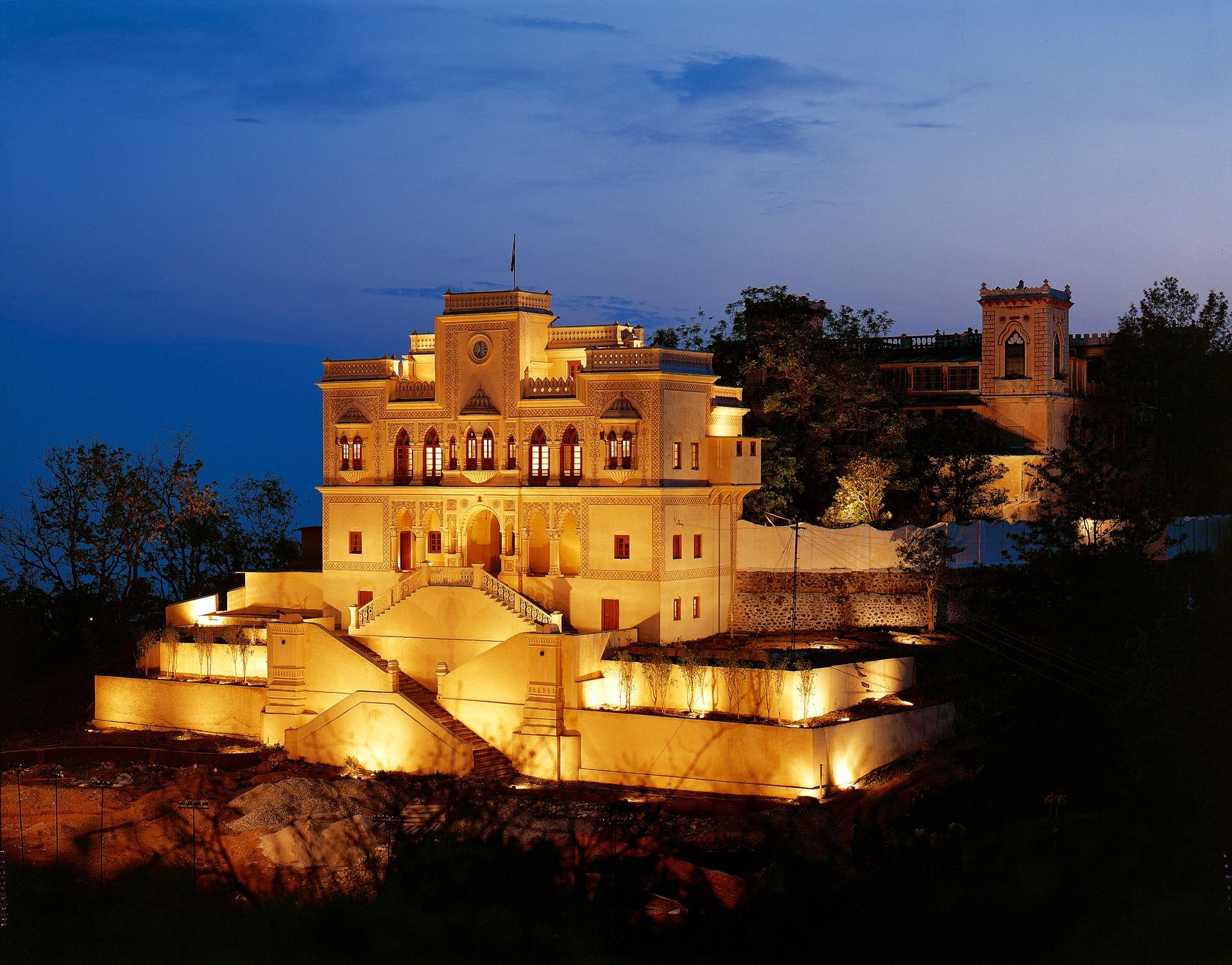

Where travel meets purpose
india Quick Guide
Hindi, English, plus 20+ major regional languages
Indian Rupee (INR)
Code +91
UTC/GMT
+5:30 hours
Type C/D/M
(230 Volt, 50Hz)
8-10 Hours
from the UK
india’s Unique Experiences
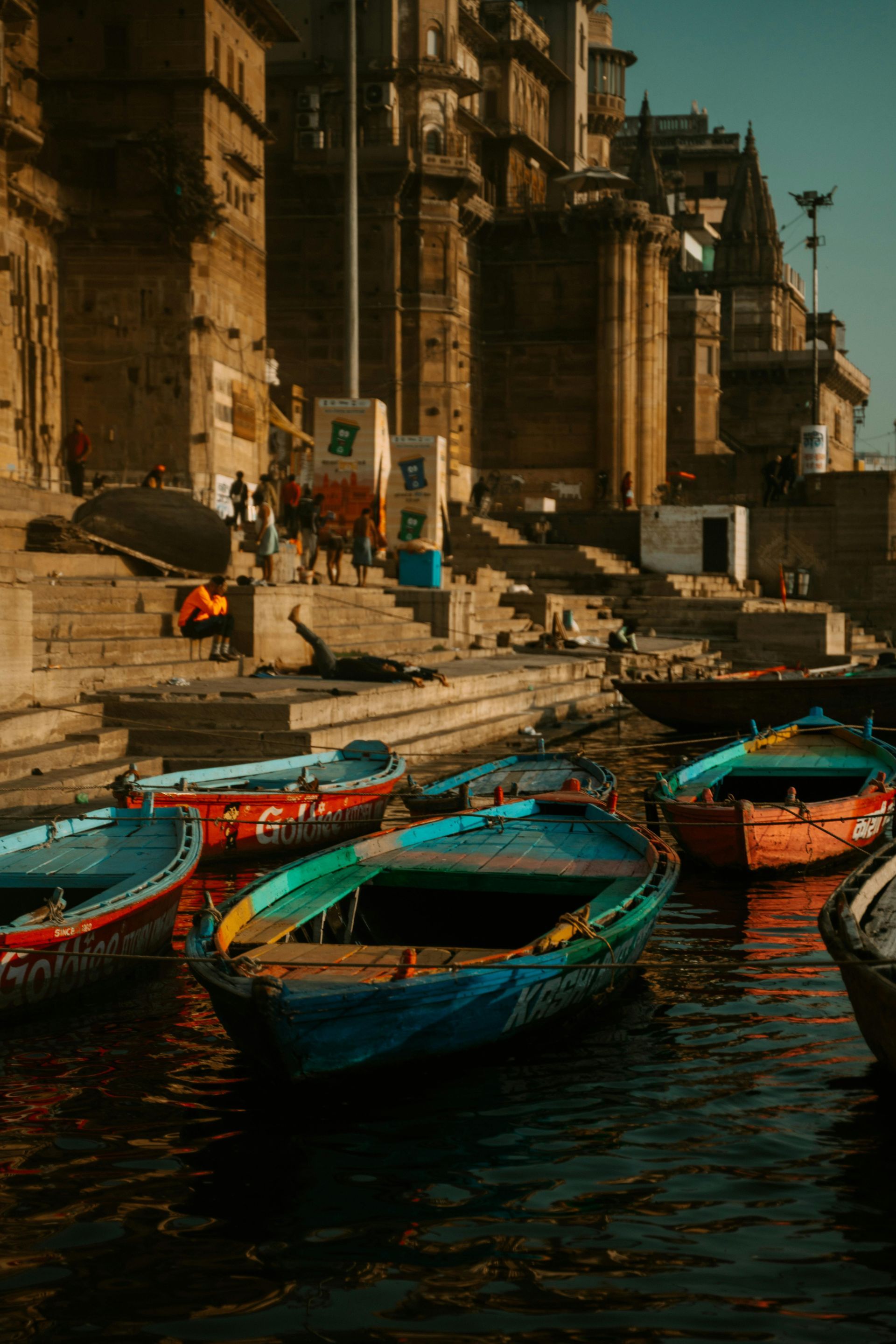
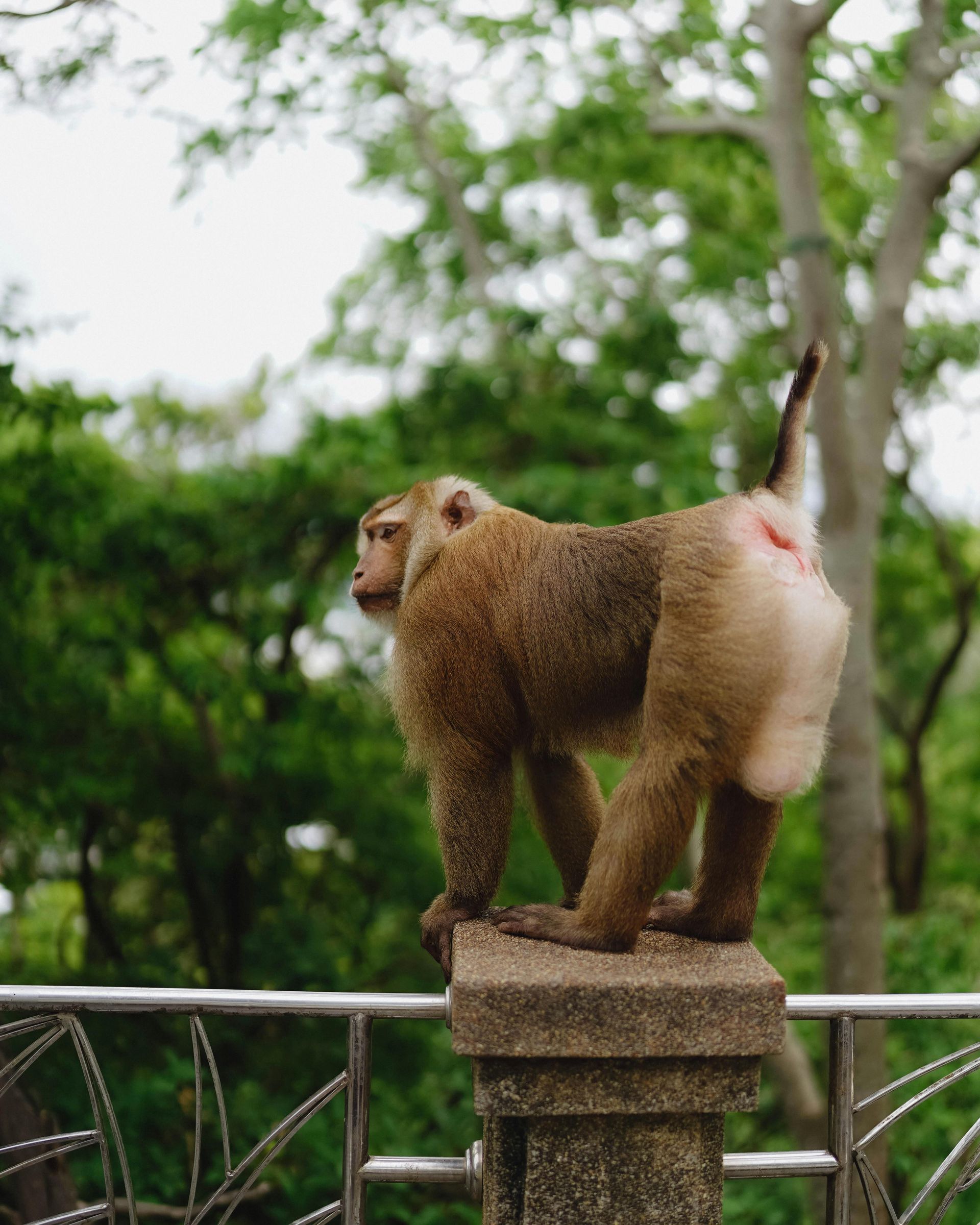
India, a land of ancient wisdom and vibrant culture, offers an unrivalled spectrum of unique travel moments. From iconic landmarks like the Taj Mahal and Jaipur’s palaces to holistic wellness in Rishikesh and wildlife safaris in Ranthambore, India blends luxury, spirituality, and adventure.
To book experiences, please contact us
Ultimate Packing Guide for india
India captivates every kind of traveller, from the vibrant energy of Mumbai and Delhi to the tranquil backwaters and palm-lined beaches of the south. Whether you're weaving through the colourful bazaars of Jaipur, trekking in the Himalayan foothills, or unwinding on Goa’s serene shores, packing light is essential for exploring this vast and varied country, which spans thousands of miles and encompasses an incredible range of landscapes and cultures.
Here's everything you'll need for your trip to India—from bustling cities to peaceful retreats and everything in between.
General Packing Tips for India
General Packing Tips for India
India’s vastness spans multiple climates and terrains, so smart packing is essential.
Climate Considerations:
• North (Delhi, Rajasthan, Himalayas): Winter (Nov–Feb) can be cool or cold, especially in the mountains. Light woollens or jackets are needed. Summers (Apr–Jun) are very hot—pack light, breathable clothes.
• South (Kerala, Tamil Nadu, Goa): Tropical and humid year-round, with monsoon rains (Jun–Sep). Pack breathable fabrics and a waterproof jacket.
• West (Mumbai, Gujarat): Hot and humid summers; monsoon rains heavy from Jun–Sep.
• East (Kolkata, Odisha, Northeast): Hot, humid summers and heavy monsoon. Cooler in the hill states.
Best Clothing to pack for India
Lightweight Clothing: Opt for breathable, durable fabrics like organic cotton, khadi, hemp, and linen. These materials keep you cool in India’s heat and humidity and are comfortable for all-day wear.
Tops and Bottoms: Pack a mix of short-sleeve and long-sleeve tops, lightweight trousers, and loose-fitting shorts or culottes. In more conservative or rural areas, longer shorts or full-length trousers are more comfortable and appropriate.
Dresses and Skirts: Lightweight, breathable dresses and skirts are ideal for casual sightseeing. Ensure they are knee-length or longer, especially for temple visits or rural areas where modest clothing is appreciated.
Swimwear: Choose quick-drying swimwear for beaches and hotel pools. On public beaches—particularly outside Goa or resort areas—some travelers prefer more modest swimwear or a cover-up when out of the water.
Waterproof Jacket: A lightweight, packable rain jacket is essential during the monsoon, which varies by region but can be intense.
Layers: While the climate is generally warm, pack a light cardigan or jumper for cooler evenings in the mountains, winter months in northern India, or heavily air-conditioned trains, malls, and hotels.
Best Footwear for India
Sandals: Opt for versatile, durable sandals suitable for India’s warm climate. Easy slip-on styles are especially convenient for visiting temples, where you’ll need to remove your shoes frequently.
Comfortable Walking Shoes: Choose supportive walking shoes for exploring cities, historic sites, and uneven terrain. Breathable fabrics are ideal for the heat.
Trekking Footwear: If you plan to trek in the Himalayas or hill regions like Himachal, Uttarakhand, or Sikkim, sturdy hiking shoes or boots with good grip are essential.
Sun Protection whilst in India
Hats: A wide-brimmed hat is crucial for protecting your face from the intense Indian sun, especially during sightseeing or long walks outdoors.
Sunglasses: Choose sunglasses with 100% UV protection and a durable design to handle India’s strong sunlight and dusty conditions.
Cover-ups: A lightweight wrap, scarf, or shawl is extremely versatile in India. It provides sun protection, a modesty layer for temple visits, and a bit of warmth during cool evenings, air-conditioned transport, or flights.
Essential Packing Items for India
Adapters: A universal adapter is crucial for keeping your devices charged. While adapters are easy to find in major Indian cities, it’s best to bring one—especially if you’re traveling to rural or remote areas. Look for energy-efficient models.
Umbrella: A compact, sturdy umbrella is useful for both sun protection and sudden rain showers, particularly during the monsoon.
High-SPF Sunscreen: High-SPF sunscreen is essential due to India’s strong UV index. Reef-safe formulas are great if you’ll be visiting beaches like Goa or the Andaman Islands. Bring it with you, as prices and availability vary widely.
Insect Repellent: Essential year-round in most parts of India. Choose a formula that remains effective in heat and humidity. Natural options with citronella or eucalyptus oil are available, though stronger repellents may be preferred in high-mosquito areas.
First-Aid Kit: Bring any personal medications you require, as specific brands may be difficult to find locally. Include motion-sickness tablets, insect bite relief, basic bandages, and any other items you rely on.
Hand Sanitizer: A small bottle of hand sanitizer is very useful, especially when visiting crowded areas, street markets, or remote regions where soap and water may not be readily available.
Sustainable Travel Tips for India
Reusable Water Bottle: Many hotels offer refill stations or filtered water. Avoid single-use plastic bottles when possible.
Reusable Shopping Bags: Handy for buying souvenirs and groceries.
Eco-Friendly Travel Accessories: Bamboo toothbrushes, reusable straws, and cloth napkins help reduce environmental impact.
By packing thoughtfully and respectfully, you’ll be well-prepared to explore India while honouring its traditions and protecting its environment.
india’s Culture
India’s culture is a mosaic shaped by thousands of years of history, diverse faiths, and artistic traditions. It is home to classical dance forms like Bharatanatyam and Kathak, intricate crafts such as block-printing and handwoven silks, and deeply symbolic festivals that reflect spiritual devotion and community bonds.
Customs like touching elders’ feet as a sign of respect, celebrating family life, and practicing hospitality (“Atithi Devo Bhava” – the guest is God) remain cornerstones of Indian society.
India’s Festivals
Festivals in India are more than celebrations—they are immersive experiences of faith, family, and cultural unity. Each festival brings together music, food, rituals, and colour, offering travellers an extraordinary chance to engage with Indian traditions.
Here are five Indian festivals to experience:
Diwali (Festival of Lights)
When: October or November
Where: Nationwide
About: India’s most famous festival, symbolising light over darkness, celebrated with oil lamps, fireworks, sweets, and family gatherings.
Holi (Festival of Colours)
When: March (spring)
Where: Particularly vibrant in Mathura, Vrindavan, and northern India
About: A joyful festival marking spring, where participants throw colourful powders, dance, and share festive treats.
Durga Puja
When: September–October
Where: Kolkata, West Bengal
About: Grand processions, artistic idols, and cultural performances celebrate the goddess Durga in one of India’s most spectacular festivals.
Pushkar Camel Fair
When: November
Where: Pushkar, Rajasthan
About: A unique blend of cultural fair and livestock trading, featuring camel races, folk performances, and vibrant markets.
Onam
When: August–September
Where: Kerala
About: Harvest festival marked by flower carpets, traditional dances, snake boat races, and the grand Onam Sadya feast.
More about India's Culture
India’s Arts and Crafts
India’s crafts reflect centuries of skill and cultural symbolism.
Each region is known for distinctive traditions:
Textiles: Banarasi silk sarees (Uttar Pradesh), Pashmina shawls (Kashmir), Kanchipuram silks (Tamil Nadu), and khadi cotton.
Handicrafts: Rajasthan’s block-printing, Madhubani paintings (Bihar), and Warli art (Maharashtra).
Pottery & Ceramics: Blue pottery from Jaipur and terracotta work from West Bengal.
Jewellery: From tribal silver ornaments to Mughal-inspired gold designs.
These crafts are not only souvenirs but living traditions that sustain local communities.
Traditions and Customs for India
India is a country rich in traditions and diverse cultures.
Respecting local customs is important, especially when visiting temples, mosques, or rural villages—dress modestly, remove shoes where required, and ask permission before taking photographs of people.
Festivals are central to Indian life, so be prepared for colorful celebrations, vibrant rituals, and bustling crowds.
Politeness, patience, and a willingness to learn about local etiquette go a long way in creating positive experiences.
india’s Food
Indian cuisine is incredibly diverse, reflecting the country’s vast regions, yet it is united by the central role of grains, spices, and fresh produce. Rice and wheat, in the form of chapati, naan, or paratha, form the foundation of most meals, providing a versatile base for a variety of dishes. The flavors are a careful balance of sweet, sour, spicy, and savory, brought to life with aromatic spices like turmeric, cumin, cardamom, and chili.
Each region has its own specialties that showcase unique ingredients and cooking styles. In the north, you’ll find rich curries, butter chicken, kebabs, and biryanis. The south is famous for dosas, idlis, sambar, and coconut-based seafood dishes.
Western India features Gujarati thalis, Rajasthani dal bati churma, and Goan fish curry, while the east is known for Bengali sweets like rasgulla and flavorful fish curries such as macher jhol. Street food is an essential part of India’s culinary culture, with delights like chaat in Delhi, vada pav in Mumbai, and kathi rolls in Kolkata offering a quick, flavorful taste of local life.
india's Weather
The best time to visit most of India is between November and March, when the north is cool and dry and central and southern regions enjoy pleasant weather—perfect for destinations like Rajasthan, Delhi, Agra, and Kerala.
April to June brings the hot summer months, with northern plains often scorching, though hill stations such as Shimla, Manali, and Darjeeling offer cooler escapes.
The monsoon season runs from June to September, bringing lush greenery, heavy rains, and high humidity, especially in Kerala, Goa, and the northeast.
Regional climates vary: the north experiences snowy winters in the Himalayas and hot summers in the plains; the south has a tropical climate with minimal seasonal change aside from the monsoon; the west ranges from desert heat in Rajasthan to coastal humidity in Mumbai and Goa; and the east sees hot, humid summers with heavy monsoons, though hill states like Sikkim are cooler.


JOIN OUR NEWSLETTER
Experience the world of sustainable luxury travel with us by subscribing to our newsletter ‘The Circular’.
Let A’ARU Collective be your trusted companions on a journey that is both enriching and captivating
No spam. We respect your privacy.