DESTINATION

SWITZERLAND

INTRODUCING SWITZERLAND

Switzerland, often called the  Heart of Europe, is a land of timeless beauty where majestic mountains, sparkling lakes, and charming villages coexist with cosmopolitan cities and cutting-edge innovation.


A country of contrasts, Switzerland balances serenity and precision, tradition and modernity, in a way that feels effortlessly harmonious.


From the snow-capped peaks of the Alps to the tranquil waters of Lake Geneva, and from medieval towns with cobblestone streets to vibrant urban centres like Zurich and Geneva, Switzerland offers a landscape of breathtaking variety. Each region tells its own story, shaped by centuries of history, multilingual heritage, and a deep respect for nature.


Nature in Switzerland is both dramatic and inviting. Alpine meadows, pristine forests, and glacial rivers offer endless opportunities for adventure and reflection alike. Meanwhile, the seasons bring ever-changing beauty—from the flower-strewn valleys of spring to the winter wonderlands perfect for skiing and cozy mountain retreats.

Featured SWISS Hotels

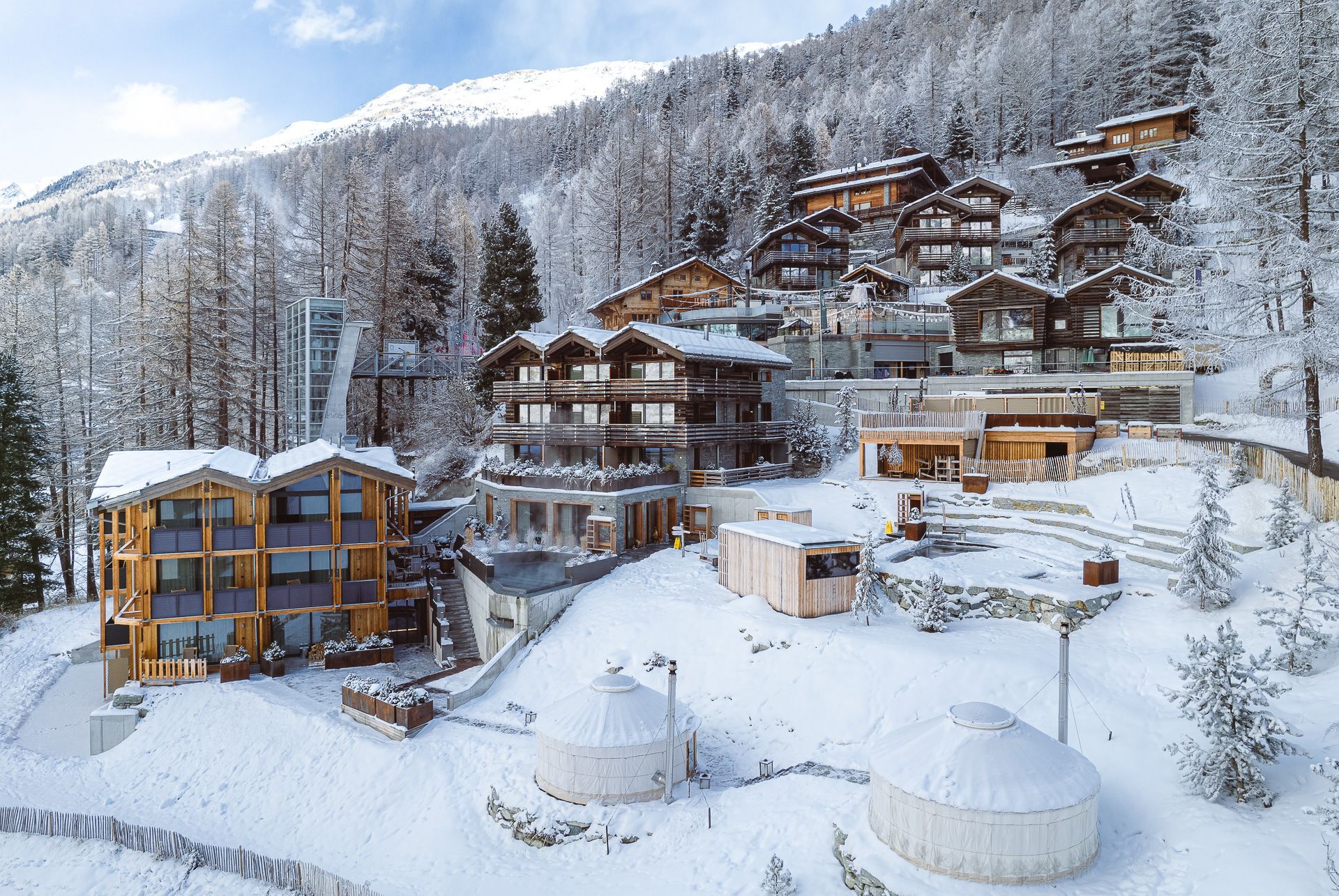
Snowy mountain resort with wooden buildings and yurt-like structures.

CERVO MOUNTAIN RESORT

A spirited mountain getaway where luxurious comfort and vibrant energy meet the natural grandeur of the Swiss Alps.

FIND OUT MORE
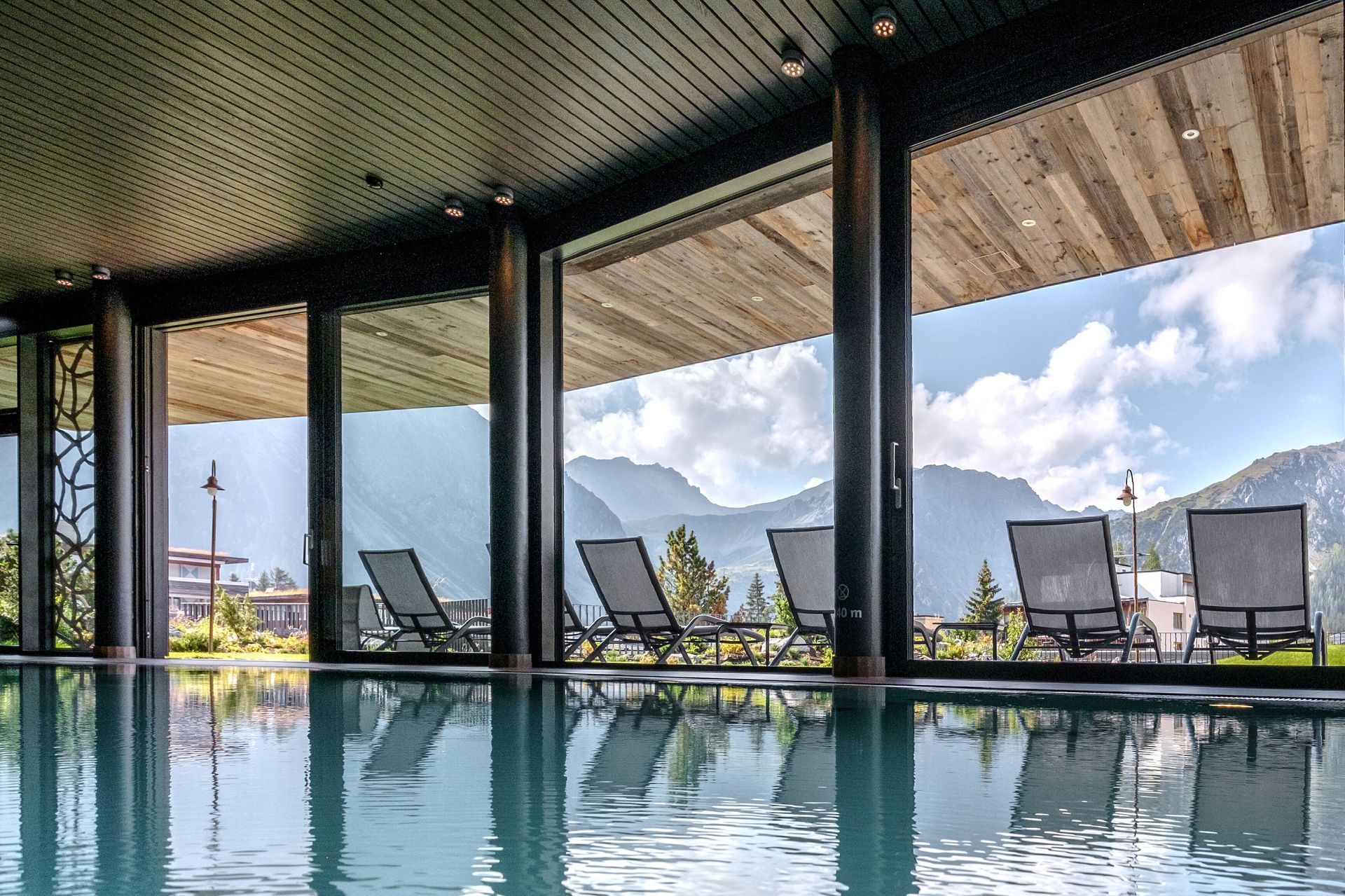
Indoor pool with wood slat ceiling; lounge chairs line the pool's side. Blue water reflects light.

SIX SENSES CRANS MONTANA

An oasis of serenity and indulgence in the heart of Crans-Montana.

Six Senses Crans-Montana beckons guests to reconnect with nature, revitalise their bodies and minds, and craft enduring memories amidst the enchanting mountains.

FIND OUT MORE

CERVO MOUNTAIN RESORT

A spirited mountain getaway where luxurious comfort and vibrant energy meet the natural grandeur of the Swiss Alps.

FIND OUT MORE

Where travel meets purpose

SWITZERLAND Quick Guide

A black and white icon of two speech bubbles with chinese characters on them.

German, French, Italian, Romansh


A black and white drawing of a dollar , euro , and pound coins.

 Swiss Franc (CHF)

A black and white drawing of a phone on a white background.

Code +41

A black and white globe with a clock inside of it.

UTC/GMT

+1/+2Hours

A black and white icon of a plug with a lightning bolt on it.

Type C / J (230 Volt, 50 Hz)

A black and white drawing of an airplane and a clock.

1-2 Hours

from the UK

TRAVEL ETIQUETTE

Respect Thailand’s Local Culture and Traditions

  • Dressing Respectfully

    A woman is standing in front of a statue holding a flower.

    When visiting temples or rural areas in Thailand, wear modest attire. Ensure your shoulders and knees are covered to show respect for local customs and traditions.

  • Temple Etiquette

    A white building with a red roof is surrounded by trees and bushes
    • Remove your shoes before entering temples.
    • Keep your head lower than Buddha statues.
    • Avoid pointing your feet towards Buddha statues.
  • Cultural Greetings

    A man in a yellow shirt is standing in front of a building with his hands folded.
    • Embrace the traditional Thai greeting, the wai, by placing your hands together in a prayer-like gesture and bowing slightly, especially when greeting elders and monks.
    • Reserve the wai for hands-free moments when handling street food or settling bills; opt for a friendly nod or bow instead.
  • Proper Use of Hands

    A woman is standing in front of a food stand holding a drink.
    • Use your right hand for passing items and financial transactions.
    • Keep your left hand discreetly in the background
    • Avoid Pointing: Summon someone with a friendly wave and palm facing up instead of pointing.
    • Respect Feet: Keep your feet grounded and avoid pointing them at people or religious objects
    • Sacred Heads: Treat heads as sacred and avoid touching others' heads.
    • Respect Monks: Show appreciation for monks from a distance and avoid physical contact.
    • Thai Smile: Use the Thai smile as a universal key to making friends and connecting with locals.

Being Environmental Responsible in Thailand

  • Luxury Without Plastic

    A sign for a restaurant is surrounded by umbrellas hanging from the ceiling.

    Carry a reusable,  water bottle and refuse single-use plastics. Most Luxury hotels now offer water refill stations.

  • Ethical Wildlife Experiences

    A man and woman are riding on the back of an elephant.

    Choose private experiences that prioritise animal welfare, such as visits to ethical sanctuaries and conservation programs over elephant riding or tiger temples.

  • Leave No Trace

    A person is standing on a wooden bridge in the jungle.

    Whether hiking in the mountains or lounging on the beach, ensure that all waste is responsibly disposed of and leave the natural surroundings untouched.

Supporting Thailand’s Local Communities

  • Invest in Local Artisans

    A woman is standing in a crowded market and smiling.

    Purchase quality, locally-made products from artisans and markets. This supports the economy and preserves traditional crafts.

  • Gourmet Local Dining

    A pot of soup is sitting on a wooden table.

    Savour meals at locally-owned restaurants that offer authentic Thai cuisine with a modern twist, supporting local chefs and farmers.

  • Luxury Eco-Lodging

    A house is sitting on a small island in the middle of a lake surrounded by trees.

    Choose accommodations that combine luxury with sustainability, such as boutique hotels and resorts that prioritise local ownership, a circular economy and environmental responsibility.

Transportation Choices around Thailand

  • Eco-Luxury Transport

    A man in a uniform is standing at a train station

    Opt for sustainable transport options such as train travel and hybrid or electric luxury cars provided by recognised hoteliers or reputable Destination Management Companies (DMCs) or Ground Handlers.

  • Exclusive Bicycle Tours

    A blue bicycle with a basket is parked in front of a white wall

    In cities like Chiang Mai, enjoy exclusive guided bicycle tours that allow you to explore while minimising your carbon footprint.

Thailand’s Wildlife and Nature Conservation 

  • Marine Conservation

    A sea turtle is swimming in the ocean with the sun shining through the water.

    When enjoying diving or snorkeling experiences, avoid touching coral reefs and marine animals. Use quality reef-safe sunscreen to protect the underwater ecosystem.

  • Collaborative Clean-Up Events

    A building with a sign that says jasmine on it

    Participate in clean-up efforts, often organised by NGOs or luxury resorts, to help maintain beaches, forests, and other natural areas.

  • Adhere to Park Regulation

    A monkey standing on top of a stone pillar

    Follow rules and guidelines in national parks to minimise your impact on wildlife and their habitats, ensuring that these pristine environments remain unspoiled.

Luxury travel in Thailand can be both bountiful and responsible. By practicing sustainable travel etiquette, you can enjoy the country's beauty while making a positive impact on its environment, culture, and local communities. Travel mindfully, ensuring that Thailand remains a breathtaking and welcoming destination for generations to come.

responsible TRAVEL ETIQUETTE for SWITZERLAND

Switzerland’s unmatched natural beauty and cultural heritage call for conscientious travel. From respecting quiet mountain villages to reducing environmental impact in protected alpine zones, these practices help sustain the Swiss way of life and the landscapes that define it.

Respecting Switzerland’s Local Culture and Traditions

  • Dressing Practically

    City attire is typically smart-casual. 

    When hiking or visiting alpine villages, dress appropriately for the weather, and avoid overly flashy or loud clothing in quieter areas.

  • Punctuality

    Switzerland values timeliness—whether for trains, tours, or dinner reservations. 


    Being on time is considered respectful and professional.

  • Cultural Courtesies

    A firm handshake and direct eye contact are standard greetings.


    Use polite forms of address (“Herr,” “Frau”) in German-speaking regions.


    In smaller towns, greeting people with a friendly “Grüezi” (hello) is appreciated.


  • Noise Etiquette

    Respect for privacy and tranquillity is deeply ingrained. Public conversations are kept low, and silence is golden, especially on public transport.


    Quiet hours (especially in the evenings and on Sundays) are strictly observed in many residential areas.


Being Environmentally Responsible in Switzerland 

  • Life Without Plastic

    Carry a refillable water bottle—Switzerland’s tap water is famously clean and delicious. 

    Avoid disposable plastics, as recycling and waste separation are strictly observed.

  • Wildlife and Nature

    Stick to marked hiking paths and respect wildlife by keeping a safe distance. Avoid picking alpine flowers or disturbing natural habitats.

  • Leave No Trace

    Switzerland enforces the Leave No Trace principle strictly. 

    Littering or damaging the environment is taken seriously, with clear fines and penalties, so travelers should always respect the landscape and dispose of waste responsibly.

Supporting Switzerland's Local Communities

  • Invest in Local Artisans

    Support regional economies by purchasing local products like Swiss watches, handmade chocolate, wood carvings, and traditional embroidery from alpine villages.

  • Local Dining

    Dine at family-run restaurants that champion regional ingredients—enjoy raclette in Valais, fondue in Fribourg, or fresh trout in Ticino.

  • Authentic Lodging

    Choose accommodations certified by Swiss sustainable tourism labels such as "Swisstainable"


    Many boutique hotels prioritise local materials, renewable energy, and zero-waste practices. 

Transportation Choices around Switzerland

  • Transport

    Switzerland’s scenic trains like the Glacier Express and Bernina Line are eco-friendly and provide unforgettable panoramic views.

  • Cycling and Walking Tours

    Many Swiss towns are pedestrian-focused. Explore historic districts, lakeside promenades, and forest trails on foot.


    Rent an e-bike to explore countryside trails or bike-friendly cities like Lucerne and Bern. The national cycle network makes it easy and safe.


Switzerland’s Wildlife and Nature Conservation 

  • Protected Parks

    Visit responsibly in national parks like the Swiss National Park in Graubünden. Stay on paths, carry out all waste, and follow posted regulations.

  • Alpine Wildlife Respect

    Observe ibexes, marmots, and golden eagles from a distance—feeding or approaching animals is strictly discouraged.

  • Sustainable Snow Sports

    Ski resorts like Laax and Zermatt are pioneers in sustainable tourism, offering carbon-neutral lift systems and green energy operations.


Ultimate Packing Guide for SWITZERLAND

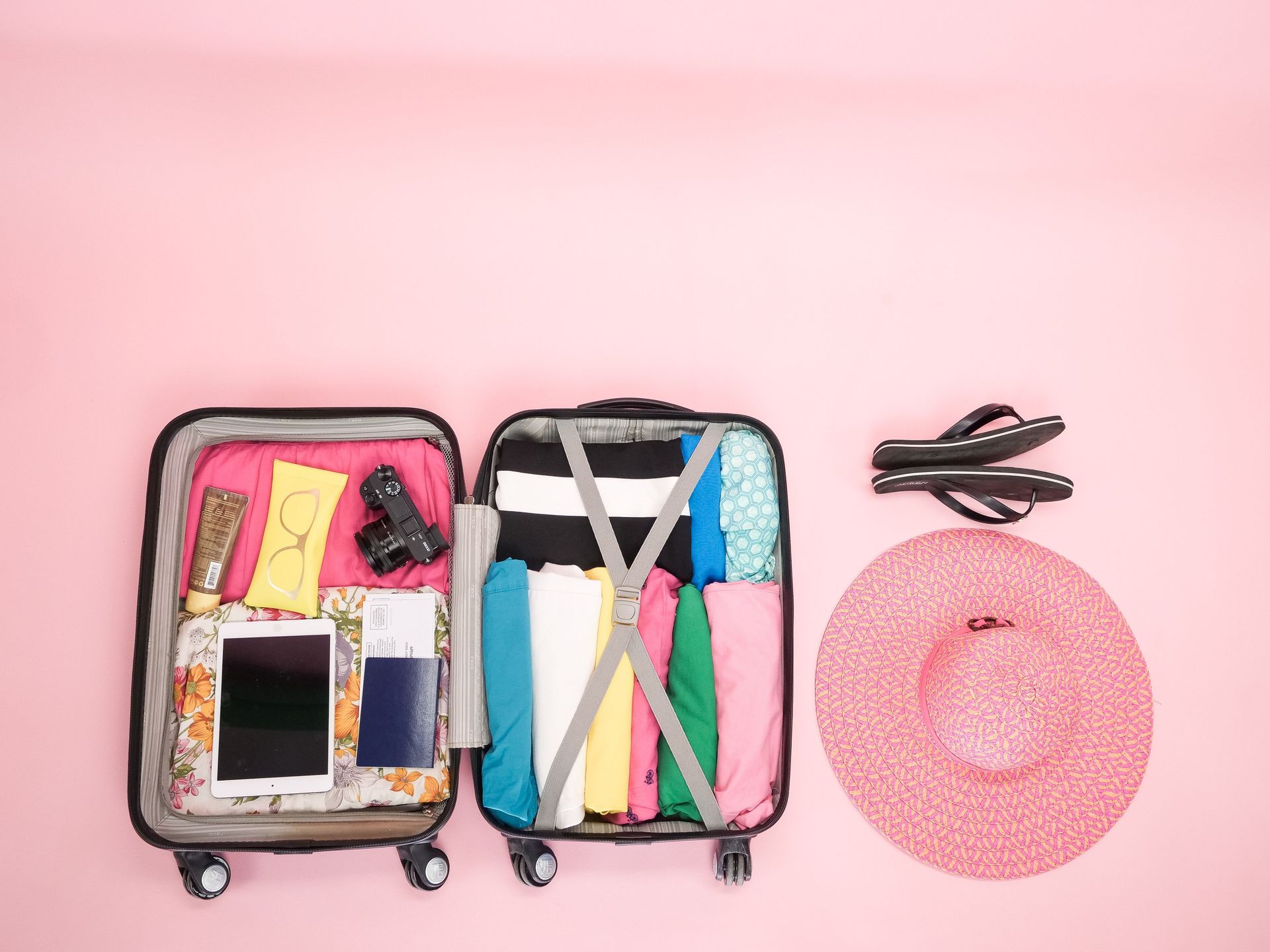
 Switzerland is a land of striking contrasts—towering snow-capped Alps, crystal-clear lakes, charming cities, and quaint villages. Whether you’re skiing in Zermatt, hiking in the Bernese Oberland, or exploring the cultural streets of Zurich and Geneva, packing smartly is key to enjoying every adventure. With unpredictable mountain weather and distinct seasonal activities, a well-planned wardrobe and essential gear will keep you comfortable, prepared, and stylish throughout your Swiss journey.

General Packing Tips for Switzerland

  • General Packing Tips for Switzerland

    Weather-Ready Wardrobe:

    Pack in layers: base layers for warmth, waterproof outer layers for snow or rain, and breathable fabrics for summer hikes.


    Modest and Practical:

    Swiss style is understated. Opt for quality over quantity—well-fitted jeans, neutral tops, and smart walking shoes are ideal for both city and country.


    Day-to-Night Transition:

    Bring outfits that transition easily from day hiking to elegant alpine dining.


  • Best Footwear for Switzerland

    Hiking Boots: Essential for alpine trails—ensure they’re waterproof and well broken-in.


    Comfortable City Shoes: Sturdy sneakers or loafers for cobbled streets and train stations.


    Warm Socks: Especially important during cooler months or high-altitude excursions.


  • Essential Packing Items for Switzerland

    Backpack: A small daypack for mountain hikes or museum visits.


    Sunglasses and Sunscreen: High altitudes intensify UV rays.


    Travel Adapter: Type C or J plugs. A universal adapter works best.


    Reusable Utensils & Bottle: Lightweight and practical for sustainable travel.


    Rain Protection: A compact umbrella and waterproof jacket are useful year-round.

  • Sustainable Packing Tips for Switzerland

    Choose Eco-Friendly Clothing:


    Pack lightweight, durable, and breathable fabrics like organic cotton, hemp, or recycled polyester.


    Layering is key in Switzerland’s variable weather, allowing you to reduce excess packing and wear the same items in multiple ways.


    Reusable Essentials:


    Bring a reusable water bottle—tap water is clean and safe throughout Switzerland.


    Carry reusable shopping bags for souvenirs or groceries.


    Pack reusable utensils and travel mugs for picnics or coffee stops.


    Minimise Single-Use Plastics:


    Avoid disposable packaging when hiking or in city cafés.


    Choose refillable toiletries and eco-friendly personal care items.


    Solid shampoo and conditioner bars reduce plastic waste.


    Biodegradable soap and toothpaste are perfect for mountain huts or camping.


    Pack Efficiently:

    Travel with a lightweight, durable backpack and compact luggage to reduce transport emissions.


    Prioritise versatile clothing that can be layered, mixed, and matched.


SWITZERLAND’s Culture

Switzerland’s culture is a harmonious blend of German, French, Italian, and Romansh influences. With four national languages and distinct regional identities, the country is a living mosaic of traditions and innovation.

Folk music, alpine festivals, artisan cheesemaking, and clockmaking all reflect the depth of Swiss heritage, which is also celebrated in world-class museums and UNESCO-listed towns like Bern and Bellinzona.

Switzerland’s Festivals

Swiss festivals offer travelers a unique glimpse into local life, folklore, and heritage. Whether it’s a historic parade, a lively music festival, or a traditional alpine celebration, each event is an opportunity to experience the country’s customs, regional flavours, and communal spirit.

Here are five Switzerland festivals to experience:

  • Fête de l’Escalade

    When: December


    Where: Geneva


    About:  Celebrates Geneva’s successful defense against an invasion in 1602—expect costumes, parades, and chocolate cauldrons.


  • Sechseläuten

    When: April


    Where: Zurich


    About: The burning of the “Böögg” (snowman effigy) marks the end of winter with festive processions and historical reenactments.


  • Montreux Jazz Festival

    When: July


    Where: Montreaux


    About:  One of Europe’s most iconic music events, held on the shores of Lake Geneva, showcasing global artists in a scenic setting.


  • Zibelemärit (Onion Market)

    When: November


    Where: Bern


    About: A charming farmers' market with elaborate onion braids, confetti battles, and traditional folk costumes.


  • Locarno Film Festival

    When:  August 


    Where: Locarno 


    About: Celebrates cinematic art under the stars in one of Europe’s most beautiful piazzas.


More about Switzerland's Culture

  • Switzerland’s Arts and Crafts

    Switzerland's artisanal traditions reflect a culture of precision and heritage. 


    Look for:

    • Papercutting (Scherenschnitt): Intricate symmetrical designs often depicting alpine life.

    • Woodcarving: From chalet decorations to nativity scenes, especially in Appenzell.

    • Embroidery: St. Gallen is famed for delicate, centuries-old lacework.

    • Watchmaking: Visit museums and workshops in the Jura region or Geneva for a look at Switzerland’s legacy of fine timepieces.

SWITZERLAND’s Food

Swiss cuisine is a reflection of the country’s rich cultural tapestry, shaped by its German, French, and Italian influences, as well as the unique traditions of its mountainous regions.

Despite its compact size, Switzerland offers a remarkable diversity of flavors and ingredients. The country is renowned for its cheese, chocolate, and fresh alpine produce, all of which play central roles in daily life and festive celebrations.


Traditional dishes vary by region: in the German-speaking areas, hearty fare such as Rösti and Zürcher Geschnetzeltes dominate; in French-speaking cantons, delicate preparations like fondue and raclette showcase the art of melted cheese; and in the Italian-speaking region of Ticino, influences from Milan and Lombardy inspire rich polenta, risotto, and savory cured meats.


Beyond these iconic dishes, Swiss cuisine emphasises seasonality and local ingredients. Fresh alpine herbs, river fish, mushrooms, and locally grown vegetables frequently appear in both rustic mountain kitchens and refined city restaurants.


Swiss bakers and chocolatiers are revered worldwide, from hand-crafted pralines in Geneva to artisanal pain de seigle (rye bread) in Zurich. Meals often carry a sense of ritual and community—fondue or raclette evenings, for example, are not only culinary experiences but social gatherings that bring friends and families together around the table.

This combination of regional diversity, attention to quality ingredients, and culinary tradition makes Switzerland a fascinating destination for both casual food lovers and serious gastronomes.

SWITZERLAND's Weather

Switzerland’s weather varies greatly by region and altitude, creating a diverse climate across the country.


The Alps experience long, snowy winters ideal for skiing and winter sports, while summers are mild and perfect for hiking and outdoor adventures.

The Swiss Plateau enjoys a temperate climate with warm summers and cold, sometimes snowy winters, and cities like Zurich and Bern see moderate rainfall year-round.


Meanwhile, southern regions such as Ticino are influenced by the Mediterranean, with warmer, sunnier summers and milder winters.
  • Which major airlines fly to Switzerland internationally?

    Switzerland is well-connected to the world. Major international airlines flying to Switzerland include:


    • Swiss International Air Lines (SWISS) – the national carrier

    • Lufthansa – via Frankfurt or Munich

    • Air France – via Paris

    • British Airways – via London Heathrow

    • Emirates, Qatar Airways, Turkish Airlines – for long-haul connections. 


  • What domestic airlines operate within Switzerland?

    Switzerland has few domestic flights because the country is compact, but regional carriers and low-cost airlines include:


    • SWISS Regional / Helvetic Airways – connecting smaller airports

    • Edelweiss Air – seasonal and leisure destinations


  • What are the main international airports in Switzerland?

    • Zurich Airport (ZRH) – largest hub, international and domestic connections


    • Geneva Airport (GVA) – western Switzerland and many European routes


    • Basel-Mulhouse-Freiburg Airport (BSL/MLH/EAP) – serves Basel area and nearby France/Germany


    • Bern Airport (BRN) – limited international flights


  • How can I enter Switzerland by land?

    Switzerland shares borders with Germany, France, Italy, Austria, and Liechtenstein. 


    Entry is possible by:

    • Train – excellent rail network via Deutsche Bahn, SNCF, or Trenitalia

    • Bus – cross-border coaches run frequently from neighbouring countries

    • Car – via well-maintained highways (motorways), often requiring a motorway vignette


  • What procedures do I need to follow upon arrival in Switzerland?

    • Passport/ID Check: EU/Schengen travellers show ID; non-Schengen travellers show passport and visa (if required)


    • Customs: Declare goods exceeding duty-free limits; Switzerland is not in the EU, so separate regulations apply


    • Health Measures: No quarantine or mandatory vaccinations required for most travellers, but check for seasonal updates


  • Are ATMs readily available in Switzerland?

    ATMs are widely available in cities, towns, airports, and tourist areas. 


    Major banks: UBS, Credit Suisse, Raiffeisen, PostFinance. Credit cards (Visa, Mastercard, Amex) are widely accepted.

  • What is the recommended clothing for travelling in Switzerland?

    Winter: Warm jackets, thermal layers, gloves, hats, and waterproof boots

    Summer: Light layers, waterproof jacket, hiking boots for mountains

    City: Smart-casual attire for dining or cultural visits

    Accessories: Sunglasses, sunscreen, reusable water bottle, daypack for hiking


  • What health precautions should I take before traveling to Switzerland?

    No mandatory vaccinations for most travellers


    Recommended: routine vaccines (MMR, tetanus, diphtheria, polio)


    Travel insurance covering healthcare is strongly advised, as medical costs are high

    s are recommended. 

  • What languages are spoken in Switzerland?

    Switzerland has four official languages:


    • German – spoken in central and northern Switzerland


    • French – western regions (Geneva, Lausanne)


    • Italian – southern region (Ticino)


    • Romansh – small minority in Graubünden


    English is widely spoken in urban and tourist areas


  • What currency is used in Switzerland?

    Swiss Franc (CHF)


    • Coins and banknotes are widely accepted; credit cards are common

    • Euros are sometimes accepted in border towns but at less favourable rates


  • Do I need a visa to enter Switzerland?

    Schengen visa is required for non-EU/EEA citizens


    EU/EEA citizens do not need a visa for short stays


    Check the Swiss government website for country-specific requirements


  • What are the tipping guidelines for Switzerland?

    Service is typically included in restaurant bills (around 10–15% included)


    Rounding up to the nearest franc or leaving 5–10% is appreciated


    Taxi drivers: round up the fare; hotel staff: CHF 1–2 per bag


Frequently Asked Questions for SWITZERLAND

Inspirational Blog Posts you might like 

Monopoly Green house stands out among scattered red houses.
By Kelly Forbes November 21, 2025
Uncover the hidden world behind luxury hotels: ownership structures, management contracts, and the importance of sustainable and restoration-focused travel.
By Kelly Forbes August 22, 2025
Discover how overtourism and housing pressures are driving global crack downs. Learn what regulations mean for travellers, locals, and the future of city stays.
Cinque Terre fishing village by sunset
By Kelly Forbes August 11, 2025
Discover how to explore Cinque Terre by train, foot and ferry. Hike scenic trails, avoid the crowds, and dine smart with this ultimate travel guide.

JOIN OUR NEWSLETTER

Experience the world of sustainable luxury travel with us by subscribing to our newsletter ‘The Circular’.

Let A’ARU Collective be your trusted companions on a journey that is both enriching and captivating

No spam. We respect your privacy.