
France Eco-Luxury Hotels
INTRODUCING FRANCE
France, often described as the cultural heart”of Europe, is a destination where art, gastronomy, history, and landscape intertwine effortlessly.
From the café terraces of Paris to the vineyard-covered hills of Bordeaux and the lavender fields of Provence, France reveals itself slowly. It is a country that resists haste. Meals are lingered over. Markets are ritual. Conversations are considered.
Shaped by Roman heritage, medieval kingdoms, revolution, and artistic brilliance, France balances grandeur with intimacy.
You’ll find world-class museums beside village markets, Michelin-starred restaurants alongside rustic bistros, and alpine peaks just hours from Atlantic beaches. Whether wandering through the châteaux of the Loire Valley, skiing in the Alps, or lingering over wine in Bordeaux, France invites travellers not just to visit—but to savour.
FRance's sustainable Hotel collection
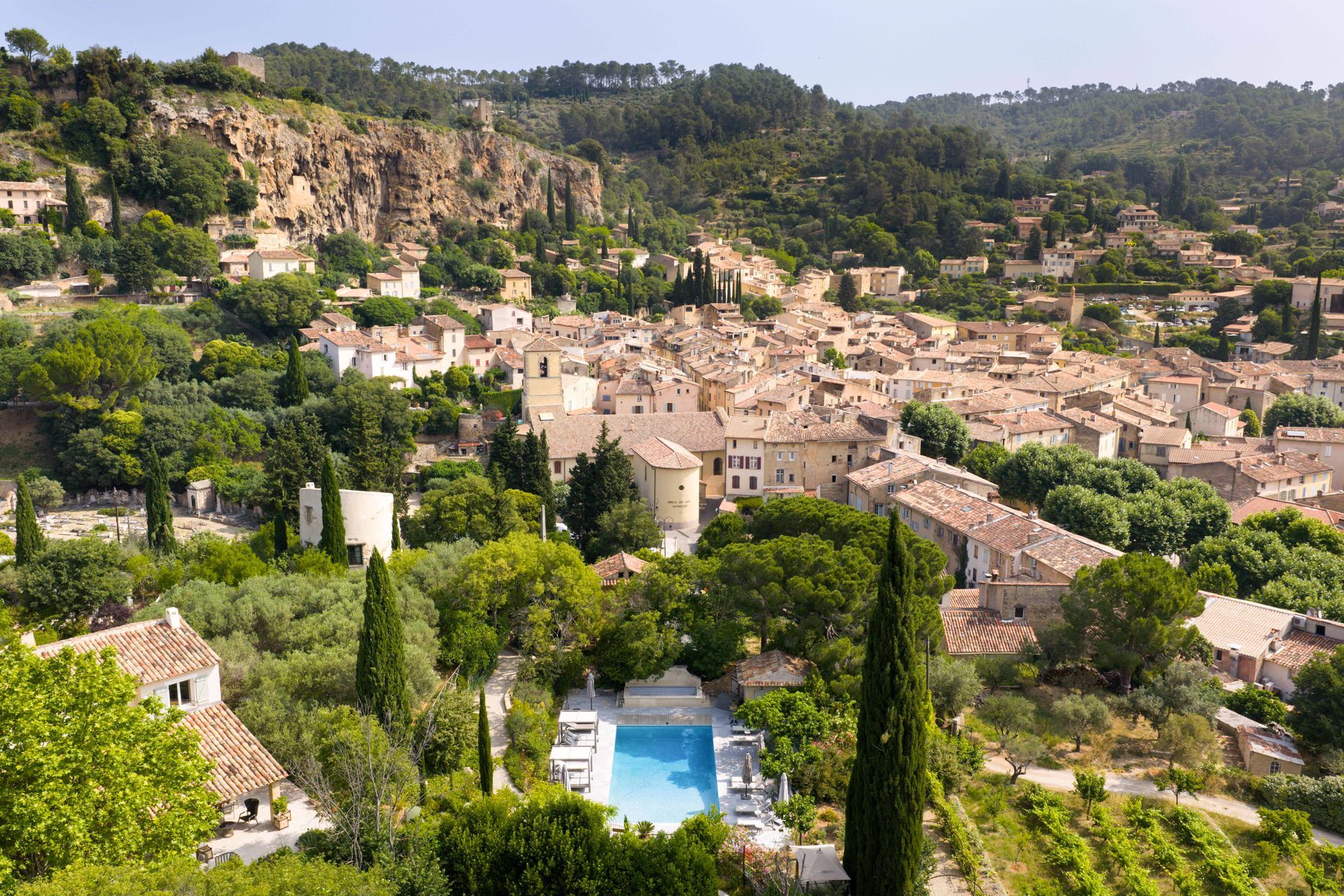


Where travel meets purpose
FRANCE Quick Guide
French
Euro (EUR)
Code +33
UTC/GMT
+1/+2 Hours
Type C/F (230 Volt, 50 Hz)
1-2 Hours
from the UK
Ultimate Packing Guide foR FRANCE
Packing for France requires a balance of practicality, comfort, and style, as the country’s diverse landscapes and climates offer everything from sun-drenched beaches to snowy alpine peaks. Whether exploring bustling cities, wandering historic towns, or venturing into the countryside, careful preparation ensures traveller can enjoy every experience comfortably and effortlessly.
General Packing Tips for France
General Packing Tips for France
France spans diverse climates—from alpine snowfields to Mediterranean sunshine—so thoughtful packing is essential.
France’s diversity of climate requires thoughtful preparation. Northern regions experience cooler winters and mild summers, while the Mediterranean south enjoys long, sun-filled days. Alpine areas demand proper layering throughout the year, even in summer months when evenings can feel crisp.
Style tends toward understated refinement. Clothing that feels well-made and intentional will carry you comfortably from museum visits to evening dinners.
Neutral tones and natural fabrics blend seamlessly into both urban and rural settings.
Best Footwear for France
Footwear should include comfortable walking shoes for cobbled streets, sandals for casual exploration, and sturdy shoes for hiking in the mountains or national parks.
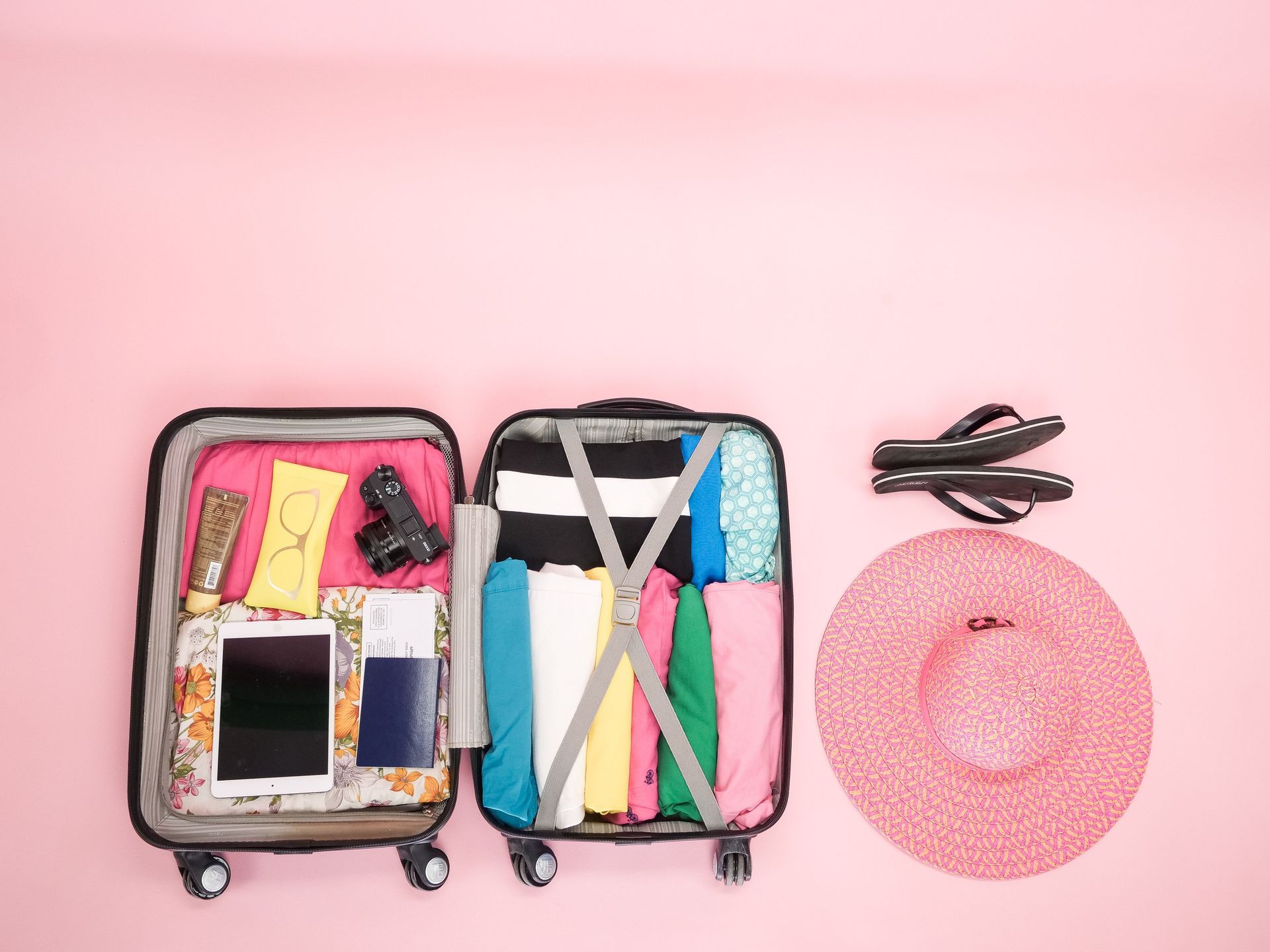
Essential Packing Items for France
Backpack: A small daypack for mountain hikes or museum visits.
Sunglasses and Sunscreen: High altitudes intensify UV rays.
Travel Adapter: Type C/F plugs (230V, 50Hz. A universal adapter works best.
Reusable Utensils & Bottle: Lightweight and practical for sustainable travel.
Sustainable Packing Tips for France
Choose Eco-Friendly Clothing:
Pack lightweight, durable, and breathable fabrics like organic cotton, hemp, or recycled polyester.
Reusable Essentials:
Carry reusable shopping bags for souvenirs or groceries.
Pack reusable utensils and travel mugs for picnics or coffee stops.
Minimise Single-Use Plastics:
Avoid disposable packaging when hiking or in city cafés.
Choose refillable toiletries and eco-friendly personal care items.
Solid shampoo and conditioner bars reduce plastic waste.
Pack Efficiently: Travel with a lightweight, durable backpack and compact luggage to reduce transport emissions.
Prioritise versatile clothing that can be layered, mixed, and matched.
FRENCH Culture
Culture in France carries weight. The French gastronomic meal is recognised by UNESCO as intangible cultural heritage, and this recognition reflects a broader national commitment to safeguarding tradition. Bread-making techniques are preserved with remarkable precision. Winemaking remains tied to terroir classifications that protect both quality and identity.
Markets, festivals, and neighbourhood cafés serve as everyday stages for this cultural continuity. Participation matters. The act of buying produce from a market stall or spending an afternoon in discussion at a café table becomes part of a larger social fabric.
France’s Festivals
Festivals in France are living expressions of regional identity, history, and community spirit.
From vibrant street parades to intimate village gatherings, each festival reflects local traditions, seasonal rhythms, and the country’s enduring love for music, art, and food.
Attending these events allows travellers to experience the heartbeat of French culture in its most authentic and joyous form.
Here are five French festivals to experience:
Bastille Day
When: 14th July
Where: Nationwide
About: Bastille Day is the country’s definitive national holiday, marking the storming of the Bastille and the birth of the French Republic.
Across towns and cities, the day is marked by military parades, firework displays, concerts, and communal gatherings.
In Paris, the Champs-Élysées becomes a stage for the grandest parade, while smaller communities host local festivities, highlighting both national pride and local flavour.
The day is a vivid reminder of France’s history, resilience, and the enduring spirit of liberty.
Cannes Film Festival
When: May
Where: Cannes
About: A celebration of global cinema through a distinctly French lens. Red carpets, gala screenings, and international premieres converge with the glamour of the Riviera, creating a spectacle that merges artistry, fashion, and film.
Beyond celebrity culture, the festival underscores France’s deep appreciation for cinematic craft and storytelling, drawing attention to both established auteurs and emerging talent from around the world.
Nice Carnival
When: February
Where: Nice
About: One of the oldest and largest in Europe. Floats adorned with giant floral sculptures parade along the Promenade des Anglais, accompanied by costumed performers, dancers, and bands.
Nighttime illuminations and fireworks create an otherworldly spectacle against the winter Mediterranean backdrop. The carnival is a joyful mix of tradition, artistry, and city-wide celebration, reflecting the region’s Mediterranean heritage and festive spirit.
Fête de la Musique
When: 21 June
Where: Nationwide
About: Every summer solstice, the Fête de la Musique transforms cities and villages into open-air stages.
Streets, squares, and even parks fill with musicians playing every genre imaginable, from classical ensembles to jazz trios and electronic sets. Participation is free and spontaneous, creating a vibrant, democratic celebration of music where locals and travellers alike can wander from performance to performance.
The festival captures the French love of communal life and cultural participation.
Beaujolais Nouveau Day
When: Third Thursday of November
Where: Lyon and Beaujolais region
About: Vineyards and local producers invite visitors to sample the season’s first wines alongside traditional accompaniments, connecting the act of drinking to its agricultural and cultural roots.
Beaujolais Nouveau Day is about shared enjoyment, highlighting the importance of regional viticulture and the communal joy that comes with the harvest.
More about France's Culture
France’s Arts and Crafts
France’s arts and crafts reflect centuries of regional skill and aesthetic tradition, making them some of the most distinctive souvenirs a traveller can bring home.
From the delicate lace of Alençon to the hand-painted ceramics of Quimper, each item carries the imprint of its local heritage.
In Provence, hand-woven textiles, scented soaps, and lavender products capture the essence of the countryside, while the Alsace region offers intricately carved wooden ornaments and Christmas decorations.
Fine leather goods from Paris and artisanal jewelry from the south of France provide both practical and lasting keepsakes.
Purchasing these crafts directly from ateliers, markets, or independent shops not only ensures authenticity but also supports the local artisans and preserves these traditional techniques for future generations.
FRENCH Food
French cuisine reflects geography as much as creativity. Coastal regions favour fresh seafood, from the delicate oysters of Brittany to bouillabaisse on the Mediterranean coast. Mountainous areas serve hearty alpine dishes like tartiflette, raclette, and gratins that showcase rich cheeses and cured meats, while fertile plains supply the country with butter, cream, and an abundance of seasonal vegetables. Vineyards and dairies produce cheeses and wines that are protected by designation systems, preserving both method and provenance.
Meals are nourishing and are social rituals. A typical lunch or dinner unfolds in courses, often beginning with a crisp seasonal salad or soupe du jour, followed by a carefully prepared main such as coq au vin or filet de boeuf, and ending with cheese or a classic dessert like tarte Tatin or crème brûlée.
Markets remain central to daily life, with chefs and home cooks alike selecting fresh, local ingredients each day. Ordering the plat du jour, the daily special, allows visitors to experience the freshest seasonal produce while supporting local kitchens.
FRANCE's Weather
France enjoys a climate as varied as its landscapes, making each season distinct in character and experience.
From April to October, the country generally experiences mild to warm conditions, perfect for exploring cities, villages, and the countryside. Long daylight hours allow visitors to linger over café tables, stroll through historic streets, or hike scenic trails well into the evening. In the south, summers can become hot and sun-filled, ideal for coastal escapes along the Mediterranean, while Paris remains comfortably warm, offering the classic charm of alfresco dining and riverside walks under gentle sunshine.
From November through March, temperatures cool considerably, particularly in northern regions and the Alps, where snowfall transforms the mountains into winter wonderlands. Cities take on a quieter, introspective rhythm, with cozy cafés and markets providing warmth and comfort. The alpine season invites skiing, snowshoeing, and enjoying the stark beauty of snow-dusted villages.
Regional variations are pronounced across the country. The Mediterranean south enjoys mild, sunny winters and hot, dry summers, while the eastern interior experiences a more continental climate, with cold winters and warm, sometimes humid summers.
Along the Atlantic coast, oceanic influences bring milder temperatures year-round and a higher likelihood of rain, giving the landscape its lush greenery. Travellers can plan their journeys according to both season and region, ensuring they experience France at its most inviting, whether chasing sunshine on the Riviera or embracing alpine snow in the winter months.
JOIN OUR NEWSLETTER
Experience the world of responsible luxury travel with us by subscribing to our newsletter ‘The Circular’.
Let A’ARU Collective be your trusted companions on a journey that is both enriching and captivating
No spam. We respect your privacy.