
Philippines Eco-Luxury Hotels
Introduction to the philippines
The Philippines, often called the "Pearl of the Orient Seas," is a vibrant archipelago celebrated for its warm hospitality, rich cultural heritage, and extraordinary natural beauty.
Made up of more than 7,600 islands, the country blends Indigenous traditions, Spanish and American influences, and a dynamic contemporary culture. From the lively streets of Manila and Cebu to the turquoise lagoons of Palawan and the rice terraces of Banaue, the Philippines offers an experience that is both deeply cultural and breathtakingly scenic.
the philippines' sustainable Hotel collection
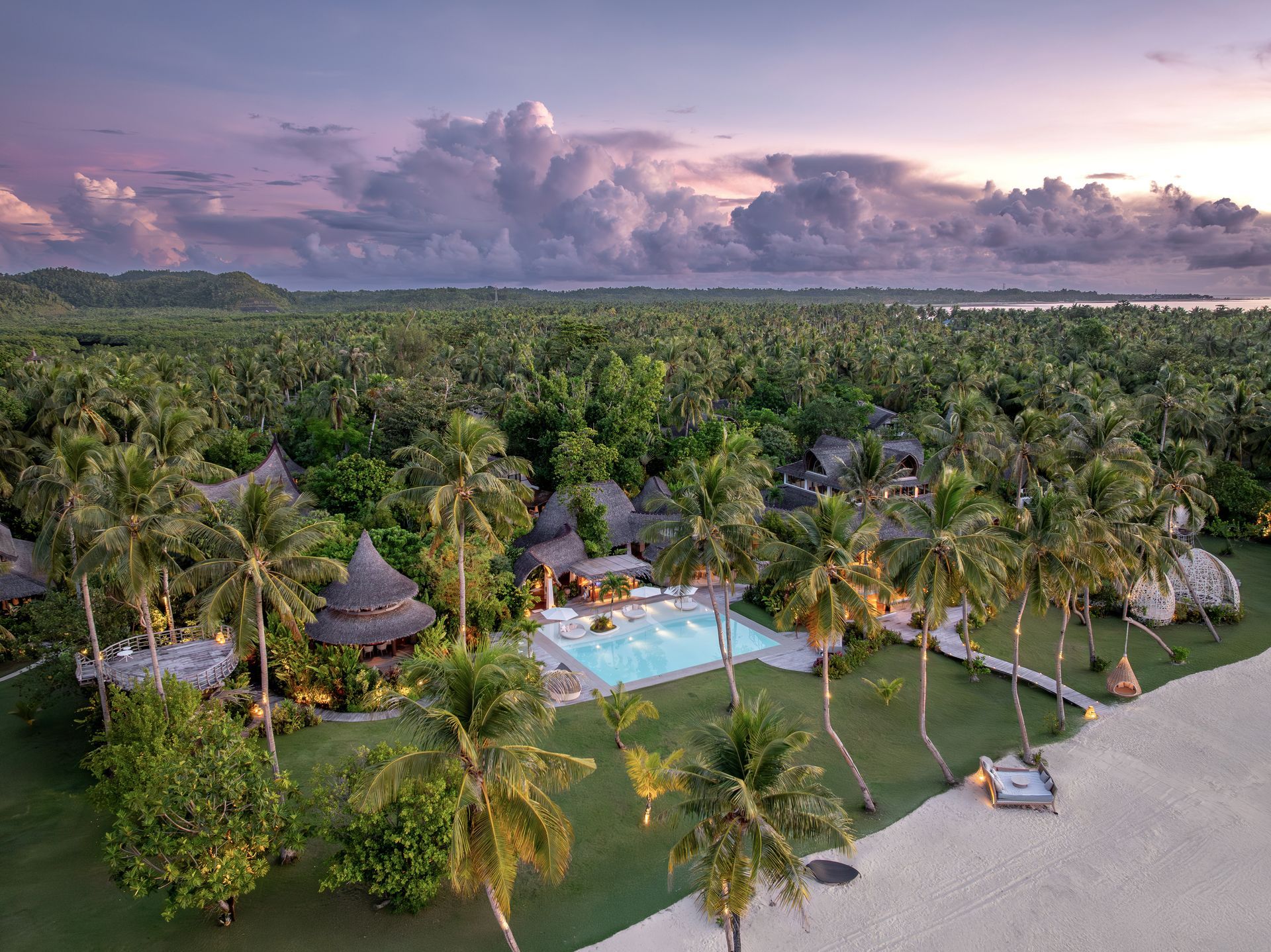


Where travel meets purpose
the PHILIPPINES Quick Guide
Filipino (Tagalog)
Philippine Peso (PHP)
Code +63
UTC/GMT
+8 Hours
Type A/B/C
(220 Volt, 60 Hz)
14-18 Hours
from the UK
the philippine’s Unique Experiences
The Philippines, a tropical archipelago of extraordinary beauty, offers a captivating blend of pristine islands, vibrant culture, and warm, heartfelt hospitality.
A'ARU Collective champions responsible luxury travel, ensuring that premium experiences harmoniously coexist with environmental stewardship—preserving the beauty of The Philippines for generations to come.
To book experiences, please contact us
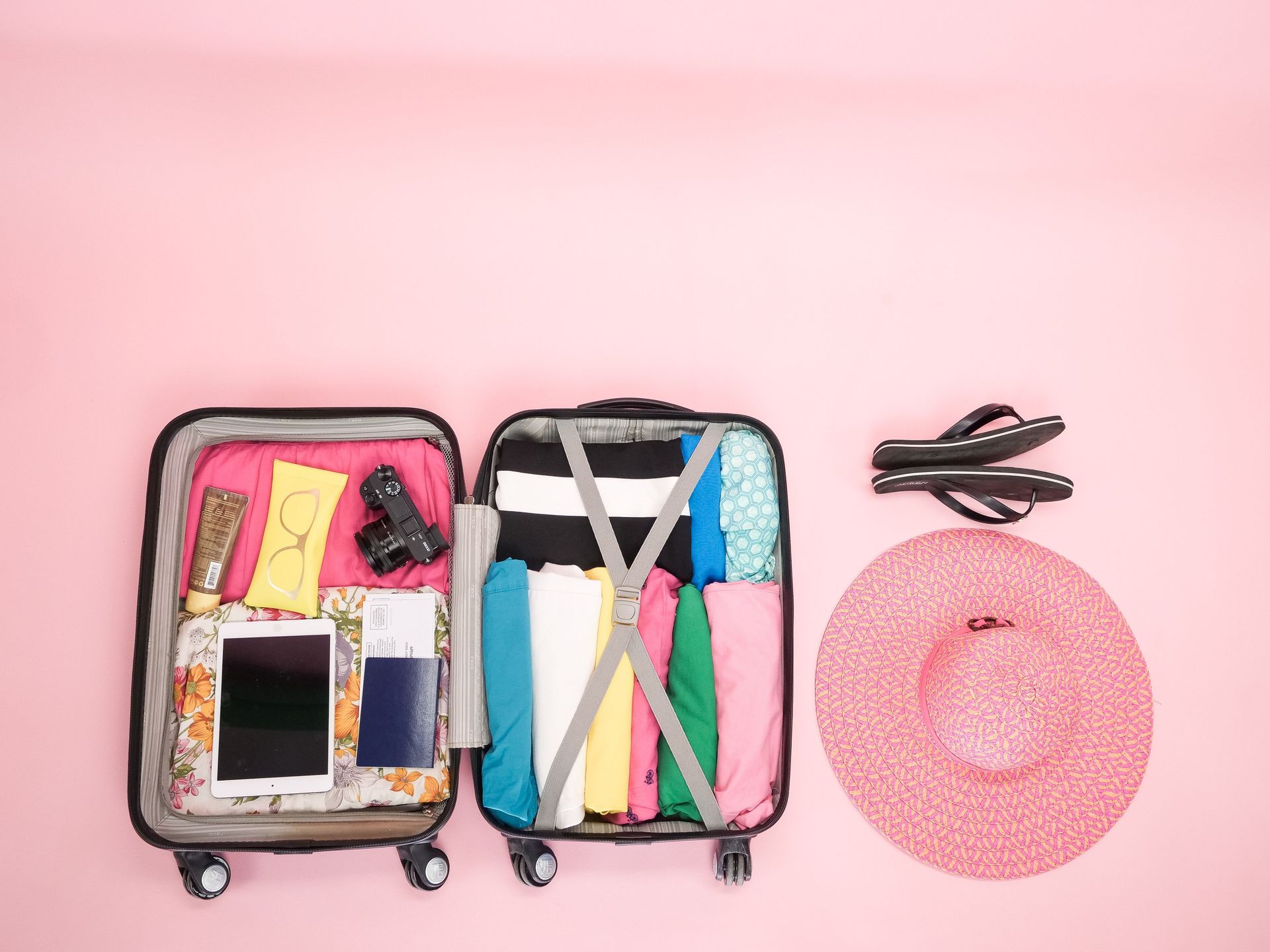
Ultimate Packing Guide for The Philippines
The Philippines is an archipelago of more than 7,600 islands, offering a mix of tropical beaches, mountainous landscapes, bustling cities, and rural villages. Its climate, tropical and humid year-round, combined with regional variations, makes thoughtful packing essential for a comfortable and enjoyable trip.
Whether you are island-hopping in Palawan, trekking the Banaue rice terraces, or exploring historic streets in Manila and Vigan, having the right clothing, footwear, and essentials will ensure a smooth and memorable experience.
General Packing Tips for The Philippines
General Packing Tips for The Philippines
Climate Considerations
The Philippines has a tropical climate with wet and dry seasons. The dry season runs from December to April, offering the most comfortable weather with sunny skies and lower humidity, making it the ideal time for beach activities and outdoor exploration.
The rainy season spans roughly June to October, with hot, humid conditions and frequent tropical showers. Typhoons can occur, particularly in Luzon and parts of Visayas, so a waterproof jacket and flexible travel plans are recommended during these months.
Regional variations also matter:
• Luzon (Manila, Banaue, Baguio, Vigan): Cooler months are from December to February, while March to May can be hot and humid. Northern Luzon, including the Cordillera region, can be chilly in highland areas, so pack a light sweater or cardigan.
• Visayas (Cebu, Bohol, Boracay): Warm and humid year-round, with occasional heavy rainfall during the wet season.
• Mindanao (Davao, Siargao, Camiguin): Tropical climate with minimal seasonal change, though rain is more frequent from July to October.
Respect Local Customs
Filipinos are known for their hospitality and strong family values. Showing cultural awareness in dress and behaviour will help you travel respectfully.
• Modest clothing is expected when visiting churches, mosques, temples, or rural villages. Cover shoulders and knees, and avoid revealing attire.
• Removing shoes before entering some religious sites or private homes is customary.
• Carrying a light shawl or scarf can help cover up in religious or formal settings, while also serving as sun protection.
Best Clothing to pack for The Philippines
Lightweight Clothing: Breathable fabrics like cotton, linen, and hemp are ideal for hot, humid conditions. Choose garments that dry quickly for island or beach activities.
Tops and Bottoms: Bring a mix of short- and long-sleeve tops, lightweight trousers, and shorts. Long-sleeve tops can provide sun protection or layering in air-conditioned spaces.
Dresses and Skirts: Lightweight, knee-length or longer dresses and skirts are practical for casual wear and respectful in religious or rural settings.
Swimwear: Quick-drying swimwear is essential for beach, pool, and water sport activities.
Waterproof Jacket: A lightweight, packable rain jacket is necessary during the wet season or sudden tropical showers.
Layers: Even in tropical areas, evenings in highland regions like Baguio or Banaue can be cool, so pack a light cardigan or sweater.
Best Footwear for The Philippines
• Sandals: Durable sandals are ideal for beaches, casual city exploration, and short hikes.
• Walking Shoes: Comfortable shoes with support are essential for city streets, market visits, and sightseeing.
• Trekking Footwear: If trekking or hiking in Banaue, Mount Pulag, or other mountainous regions, sturdy shoes or hiking boots with good grip are recommended.
Sun Protection whilst in The Philippines
Hats: A wide-brimmed hat provides essential sun protection, especially in the hot southern regions.
Sunglasses: Choose sunglasses with 100% UV protection and a durable design.
Cover-Ups: A lightweight shawl or wrap is useful for sun protection, temple visits, or chilly flights.
Essential Packing Items for The Philippines
• Hats: Wide-brimmed hats offer sun protection during tropical heat.
• Sunglasses: UV-protected sunglasses are essential for comfort and eye safety.
• Cover-Ups: Lightweight wraps or sarongs are useful for sun protection, temple visits, or cooler air-conditioned spaces.
• Reef-Safe Sunscreen: Protect your skin and the marine environment with biodegradable, high-SPF sunscreen.
• Insect Repellent: Mosquitoes are common year-round. Natural repellents with citronella or eucalyptus are preferred.
Sustainable Travel Tips for The Philippines
Reusable Water Bottle: The Philippines’ hot climate requires frequent hydration. Carry a refillable water bottle to reduce plastic waste.
Reusable Shopping Bags: Ideal for carrying souvenirs and reducing the use of single-use plastic bags.
Eco-Friendly Travel Accessories: Pack bamboo toothbrushes, reusable straws, and cloth napkins to minimise waste.
The Philippines’ Culture
Filipino culture is a rich tapestry woven from Indigenous traditions and centuries of Asian, Spanish, and American influence. This mix is evident in the nation’s language, cuisine, architecture, and daily rituals. Music, dance, and storytelling are central to Filipino life, from traditional kulintang and rondalla performances to vibrant folk dances like the Tinikling and Singkil, which celebrate rhythm, grace, and communal expression.
Family forms the cornerstone of Filipino society, with close-knit kinship networks influencing social interactions, decision-making, and daily routines. Respect for elders is paramount, expressed through gestures such as the mano, while hospitality and warmth define how locals welcome guests.
A spirit of generosity, known as “bayanihan,” reflects communal unity and the willingness to help one another—seen historically in villagers literally carrying houses to new locations and today in community support during celebrations or challenges.
Religious faith also plays a significant role, with Catholicism predominant but complemented by Islam in Mindanao and indigenous spiritual practices in many regions. This blend of beliefs is woven into rituals, ceremonies, and public life, shaping both the calendar and the values that guide daily interactions.
The Philippines’s Festivals
Festivals in the Philippines are vibrant celebrations of faith, harvests, history, and local identity. They transform cities and villages into spectacular displays of colour, music, and dance, uniting communities in joy and pride
Here are five Filipino festivals to experience:
Sinulog
When: January
Where: Cebu
About: Honouring the Santo Niño (Holy Child), this festival features lively street parades, traditional dances, and rhythmic drumbeats that fill the city with energy and devotion.
Ati-Atihan
When: January
Where: Kalibo
About: Often called the “Mother of Philippine Festivals,” it celebrates both indigenous heritage and Catholic faith, with participants painting their faces, wearing traditional costumes, and dancing in the streets.
Panagbenga
When: February–March
Where: Baguio
About: Known as the Flower Festival, Panagbenga highlights the blooming season with floral floats, street dancing, and cultural exhibitions celebrating the Cordillera region’s rich traditions.
Kadayawan
When: August
Where: Davao
About: A thanksgiving festival for bountiful harvests and cultural diversity, showcasing indigenous music, dances, and crafts of Mindanao’s many ethnic groups.
Pahiyas
When: May
Where: Lucban
About: Farmers decorate their homes with colorful rice, fruits, and produce to honour San Isidro Labrador, the patron saint of farmers, turning the town into a living tapestry of creativity and gratitude.
More about Filipino Culture
Filipino Arts and Crafts
The Philippines is renowned for its rich and diverse arts and crafts, which reflect the country’s Indigenous roots, colonial history, and regional identities.
Each region has developed its own distinctive styles and techniques, passed down through generations, making Filipino craftsmanship both culturally significant and highly collectible.
Textiles are among the most celebrated forms, with handwoven fabrics like inabel from Ilocos, piña cloth from Aklan, and T’nalak from Mindanao prized for their intricate patterns and painstaking craftsmanship.
These fabrics are used in traditional clothing, home décor, and ceremonial attire, showcasing both artistry and cultural heritage.
Wood carving is another hallmark of Filipino artistry. Regions like Bohol, Cebu, and Paete are famous for creating detailed religious statues, furniture, and decorative items.
Artisans also work with capiz shells, turning translucent discs into elegant lamps, window panes, and ornaments that capture light beautifully. Bamboo and rattan weaving, prevalent in Mindanao and the Visayas, produces baskets, mats, furniture, and even musical instruments, combining practicality with aesthetic charm.
In addition, metalwork, pottery, and traditional jewelry further highlight the country’s craft diversity, while folk art like parol lanterns during Christmas showcases creativity and community spirit.
Together, these arts and crafts not only preserve the Philippines’ cultural identity but also provide a tangible connection to its history and communities. Supporting local artisans by purchasing authentic, handcrafted items allows travellers to take home a piece of Filipino heritage while contributing directly to the livelihoods of these skilled craftspeople.
philippine Cuisine
Philippine cuisine is a vibrant fusion of savory, sour, and subtly sweet flavors, shaped by geography, history, and centuries of cultural influences from Asia, Spain, and America.
Rice forms the foundation of nearly every meal, accompanied by seafood, pork, fresh vegetables, and tropical fruits. Signature dishes like adobo, a slow-cooked meat stew with vinegar, soy sauce, and garlic, or sinigang, a tangy tamarind-based soup, showcase the country’s balance of flavors. Lechon, a whole roasted pig with crispy skin, is a highlight at celebrations, while kinilaw, a ceviche-style dish of marinated raw fish, reflects the Philippines’ abundant coastal bounty.
Street food is an essential part of the culinary experience. Treats like isaw (grilled chicken intestines), balut (fertilized duck egg), and banana cue (caramelised bananas on a skewer) offer adventurous bites, while desserts like halo-halo, a refreshing mix of shaved ice, sweet beans, tropical fruits, and milk, provide a sweet reprieve from the tropical heat.
Regional flavors also vary widely:
- Luzon: Known for rich stews like adobo and sinigang, and festive lechon.
- Visayas: Celebrated for seafood stews, fresh kinilaw, and coconut-based delicacies.
- Mindanao: Features spiced dishes influenced by Muslim and Indigenous culinary traditions, often incorporating coconut milk, chili, and local herbs.
With its diversity of flavors and textures, Philippine cuisine offers travellers a rich, immersive taste of the country’s culture, history, and local ingredients.
The Philippines' Weather
Between December and April, much of the Philippines enjoys drier, sunnier days. Northern regions, including Baguio and the Cordilleras, experience cooler mornings and comfortable temperatures, perfect for trekking and cultural excursions.
The central islands, such as Cebu, Bohol, and Boracay, bask in warm sunshine, ideal for beach days and island-hopping, while the southern regions maintain consistently tropical warmth, inviting exploration of cities, rainforests, and coastal landscapes.
From June to October, the Philippines is refreshed by the rainy season. Tropical showers and occasional typhoons sweep across the islands, nourishing lush rice terraces, forests, and river valleys. These brief, dramatic downpours are often followed by bright skies and golden light, revealing the country at its most vibrant and verdant.
The Philippines’ archipelagic geography gives rise to distinct regional climates. Luzon experiences more pronounced seasonal changes, with cooler winters and hot, humid summers. The Visayas sees a tropical mix of sunshine and occasional heavy rain, while Mindanao enjoys a relatively stable tropical climate year-round, though rain is more frequent from July to October.
In every season, the Philippines offers travellers a unique perspective—each one beautiful, immersive, and deeply connected to its islands, people, and landscapes.
JOIN OUR NEWSLETTER
Experience the world of sustainable luxury travel with us by subscribing to our newsletter ‘The Circular’.
Let A’ARU Collective be your trusted companions on a journey that is both enriching and captivating
No spam. We respect your privacy.