DESTINATION

ITALY

INTRODUCING ITALY

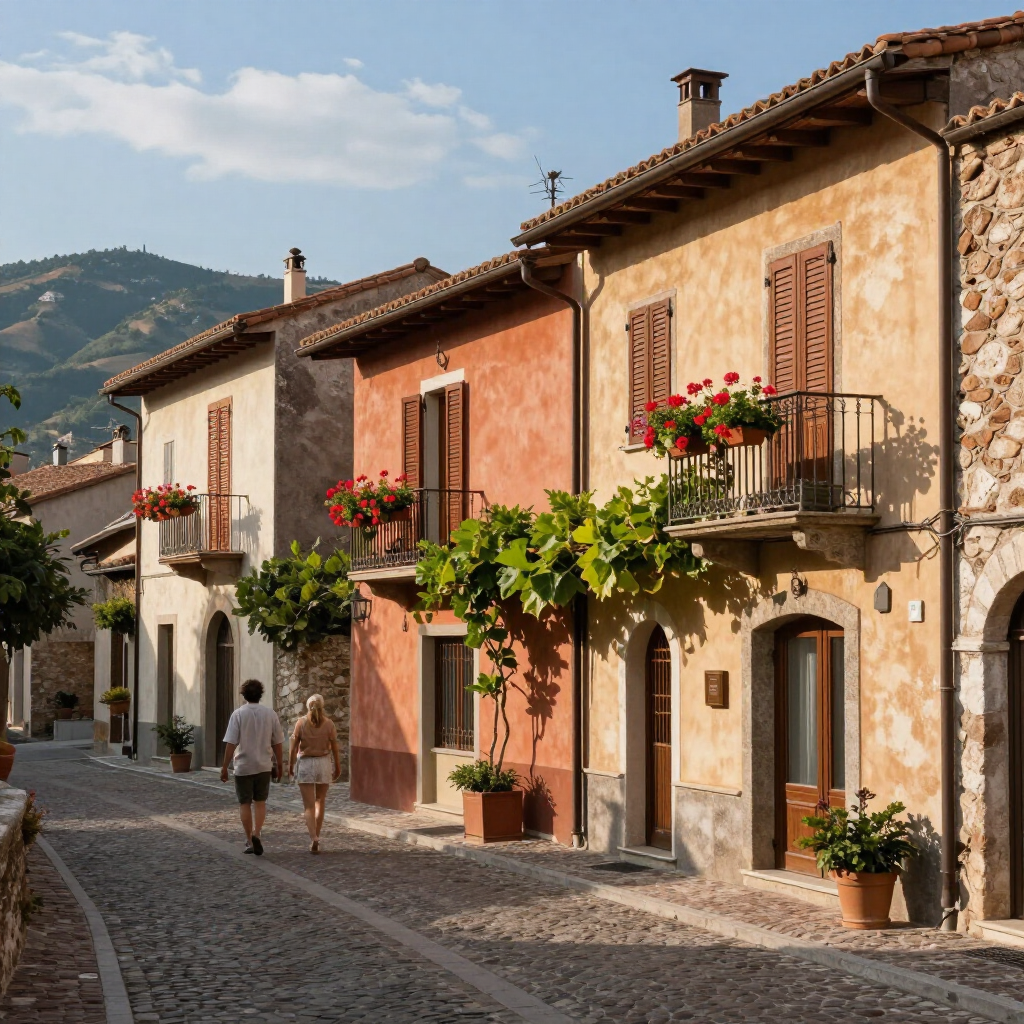
Italy, the “Bel Paese”, or Beautiful Country is a land where history, art, and gastronomy converge in unforgettable ways. From the ancient ruins of Rome to the Renaissance treasures of Florence and the romantic canals of Venice, Italy offers experiences that combine cultural richness with natural beauty.


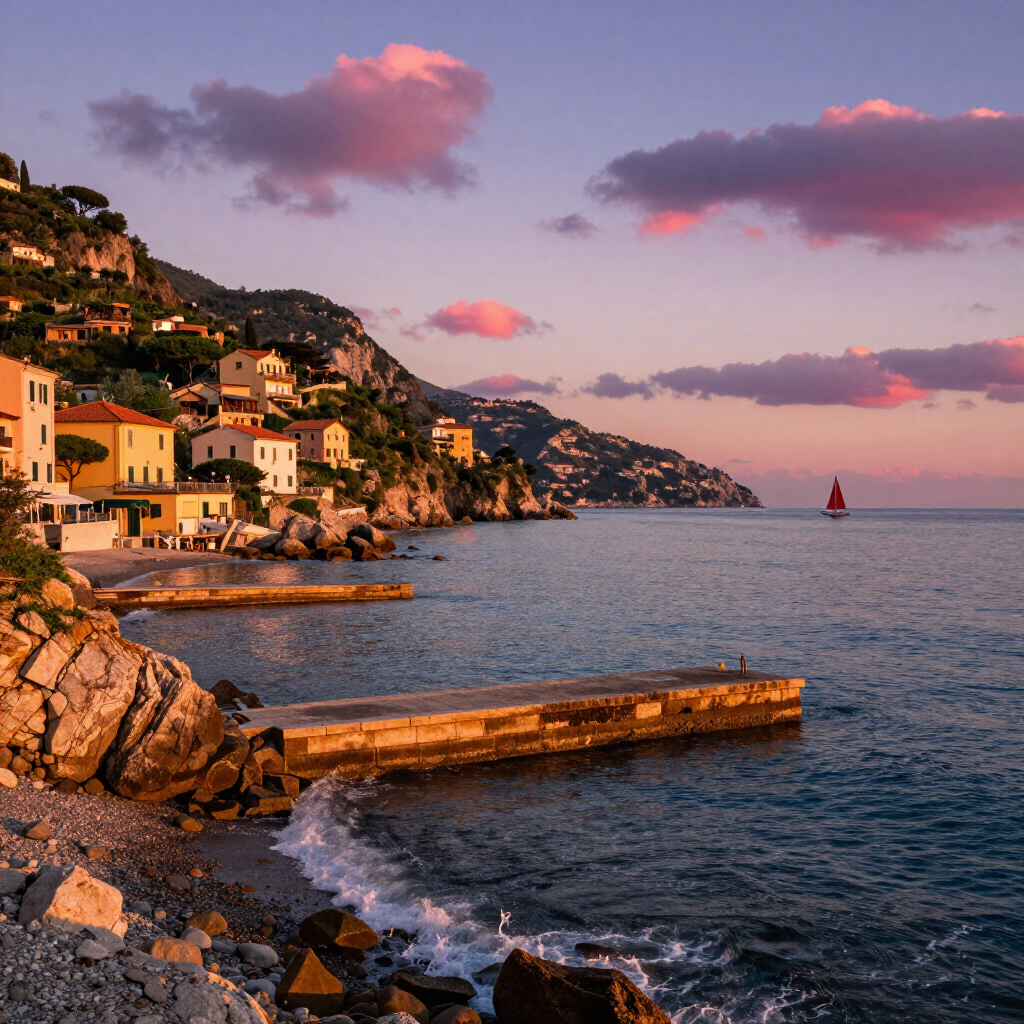
Beyond the cities, the Amalfi Coast presents stunning cliffside villages, Tuscany boasts rolling hills and vineyards, and the Italian Lakes provide serene retreats by crystal-clear waters. For adventurers, the Dolomites and the Apennines offer hiking and skiing opportunities, while Sicily and Sardinia showcase volcanic landscapes, pristine beaches, and archaeological wonders.


Italian culture is deeply rooted in tradition, expressed through music, art, festivals, and cuisine, making it a destination that leaves a lasting impression on every traveller.

Featured ITALIAN HOTELS

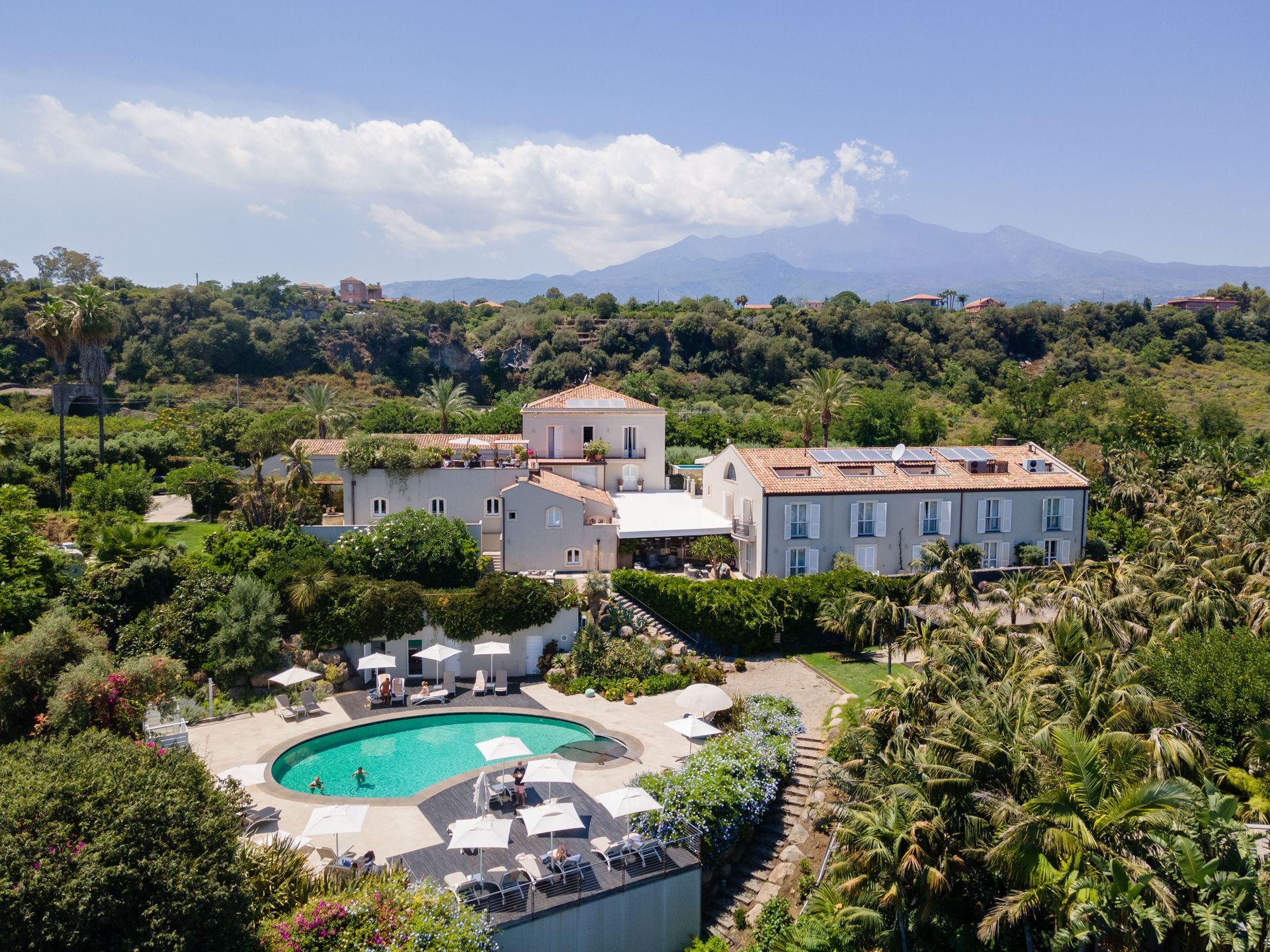
Hotel with pool surrounded by lush greenery. Mountain in the background. Sunny day.

DONNA CARMELA, SICILY

Tucked between the slopes of Mount Etna and the shimmering Ionian Sea,

Donna Carmela is a soulful retreat, lovingly curated by the Faro family to celebrate the richness of Sicilian nature, culture, and hospitality. 

FIND OUT MORE

Where travel meets purpose

ITALY Quick Guide

A black and white icon of two speech bubbles with chinese characters on them.

Italian

A black and white drawing of a dollar , euro , and pound coins.

Euro (EUR)

A black and white drawing of a phone on a white background.

Code +39

A black and white globe with a clock inside of it.

UTC/GMT

+1/+2 Hours

A black and white icon of a plug with a lightning bolt on it.

Type C/F (230 Volt, 50 Hz)

A black and white drawing of an airplane and a clock.

2-4 Hours

from the UK

TRAVEL ETIQUETTE

Respect Thailand’s Local Culture and Traditions

  • Dressing Respectfully

    A woman is standing in front of a statue holding a flower.

    When visiting temples or rural areas in Thailand, wear modest attire. Ensure your shoulders and knees are covered to show respect for local customs and traditions.

  • Temple Etiquette

    A white building with a red roof is surrounded by trees and bushes
    • Remove your shoes before entering temples.
    • Keep your head lower than Buddha statues.
    • Avoid pointing your feet towards Buddha statues.
  • Cultural Greetings

    A man in a yellow shirt is standing in front of a building with his hands folded.
    • Embrace the traditional Thai greeting, the wai, by placing your hands together in a prayer-like gesture and bowing slightly, especially when greeting elders and monks.
    • Reserve the wai for hands-free moments when handling street food or settling bills; opt for a friendly nod or bow instead.
  • Proper Use of Hands

    A woman is standing in front of a food stand holding a drink.
    • Use your right hand for passing items and financial transactions.
    • Keep your left hand discreetly in the background
    • Avoid Pointing: Summon someone with a friendly wave and palm facing up instead of pointing.
    • Respect Feet: Keep your feet grounded and avoid pointing them at people or religious objects
    • Sacred Heads: Treat heads as sacred and avoid touching others' heads.
    • Respect Monks: Show appreciation for monks from a distance and avoid physical contact.
    • Thai Smile: Use the Thai smile as a universal key to making friends and connecting with locals.

Being Environmental Responsible in Thailand

  • Luxury Without Plastic

    A sign for a restaurant is surrounded by umbrellas hanging from the ceiling.

    Carry a reusable,  water bottle and refuse single-use plastics. Most Luxury hotels now offer water refill stations.

  • Ethical Wildlife Experiences

    A man and woman are riding on the back of an elephant.

    Choose private experiences that prioritise animal welfare, such as visits to ethical sanctuaries and conservation programs over elephant riding or tiger temples.

  • Leave No Trace

    A person is standing on a wooden bridge in the jungle.

    Whether hiking in the mountains or lounging on the beach, ensure that all waste is responsibly disposed of and leave the natural surroundings untouched.

Supporting Thailand’s Local Communities

  • Invest in Local Artisans

    A woman is standing in a crowded market and smiling.

    Purchase quality, locally-made products from artisans and markets. This supports the economy and preserves traditional crafts.

  • Gourmet Local Dining

    A pot of soup is sitting on a wooden table.

    Savour meals at locally-owned restaurants that offer authentic Thai cuisine with a modern twist, supporting local chefs and farmers.

  • Luxury Eco-Lodging

    A house is sitting on a small island in the middle of a lake surrounded by trees.

    Choose accommodations that combine luxury with sustainability, such as boutique hotels and resorts that prioritise local ownership, a circular economy and environmental responsibility.

Transportation Choices around Thailand

  • Eco-Luxury Transport

    A man in a uniform is standing at a train station

    Opt for sustainable transport options such as train travel and hybrid or electric luxury cars provided by recognised hoteliers or reputable Destination Management Companies (DMCs) or Ground Handlers.

  • Exclusive Bicycle Tours

    A blue bicycle with a basket is parked in front of a white wall

    In cities like Chiang Mai, enjoy exclusive guided bicycle tours that allow you to explore while minimising your carbon footprint.

Thailand’s Wildlife and Nature Conservation 

  • Marine Conservation

    A sea turtle is swimming in the ocean with the sun shining through the water.

    When enjoying diving or snorkeling experiences, avoid touching coral reefs and marine animals. Use quality reef-safe sunscreen to protect the underwater ecosystem.

  • Collaborative Clean-Up Events

    A building with a sign that says jasmine on it

    Participate in clean-up efforts, often organised by NGOs or luxury resorts, to help maintain beaches, forests, and other natural areas.

  • Adhere to Park Regulation

    A monkey standing on top of a stone pillar

    Follow rules and guidelines in national parks to minimise your impact on wildlife and their habitats, ensuring that these pristine environments remain unspoiled.

Luxury travel in Thailand can be both bountiful and responsible. By practicing sustainable travel etiquette, you can enjoy the country's beauty while making a positive impact on its environment, culture, and local communities. Travel mindfully, ensuring that Thailand remains a breathtaking and welcoming destination for generations to come.

responsible TRAVEL ETIQUETTE for ITALY

Travelling responsibly in Italy allows visitors to fully appreciate the country’s culture while respecting its communities and environment. 

Respecting Italy’s Local Culture and Traditions

  • Dressing Respectfully

    Dress should be modest when entering religious sites, covering shoulders and knees, to show respect for local customs.

  • Cultural Composure

    Italians place great value on politeness, patience, and social etiquette. 


    When greeting others, a handshake is common in formal situations, whereas a nod or a casual “ciao” is suitable in everyday encounters. 


    Meals are an important social ritual, and it is customary to take time to enjoy them without rushing, showing appreciation to hosts.

  • Religious and Historical Sites

    Churches & Monasteries: Dress modestly—cover shoulders and knees. Remove hats inside.


    Photography: Ask permission before photographing people, especially during religious ceremonies.


    Silence & Reverence: Keep your voice low; avoid disruptive behaviour near sacred objects or altars.

Being Environmentally Responsible in Italy

  • Life Without Plastic

    Carry a refillable water bottle— many hotels and cafes provide refill stations.

  • Wildlife and Nature

    Italy’s national parks and protected landscapes are treasures of extraordinary natural beauty and biodiversity, ranging from the rugged alpine peaks of the Dolomites and the Gran Paradiso to the rolling hills of the Apennines, the dramatic cliffs of the Amalfi Coast, and the volcanic landscapes of Sicily and the Aeolian Islands.


    Visitors are encouraged to follow marked trails, respect wildlife by observing it from a safe distance, and practise a leave-no-trace approach, helping to preserve these remarkable environments for future generations.

  • Leave No Trace

    Respect national parks such as Gran Paradiso or Cinque Terre by staying on marked paths and disposing of waste responsibly.

Supporting Italy's Local Communities

  • Invest in Local Artisans

    Italy’s arts and crafts are a living expression of its history and regional identity, where centuries-old techniques, local materials, and exceptional craftsmanship reflect the depth of the country’s cultural heritage and creative spirit. 


    Italian craftsmanship is perhaps most famously seen in Murano glass, where master glassblowers in Venice create intricate pieces using techniques passed down through generations. 


    Ceramics and pottery flourish in towns such as Deruta and Vietri sul Mare, known for their vibrant colours and decorative designs. 


    Textiles and lace, including Venetian lace and fine Tuscan linens, showcase refined workmanship rooted in regional traditions. 


    Florence is renowned for its high-quality leather goods, from handbags to shoes, demonstrating Italy’s long-standing expertise in leathercraft. 


    Musical instrument making, particularly violins from Cremona and classical guitars and mandolins, remains central to Italy’s rich musical heritage, linking artistry with sound and performance.

  • Local Dining

    Locally cooked Italian food is a celebration of simplicity, tradition, and deep respect for ingredients. 

    Dishes are shaped by the land and the seasons, with recipes passed down through generations and prepared with care rather than complexity. 


    Signature dishes include:


    • Pasta & Pizza: Regional specialities such as spaghetti carbonara, lasagne, and Neapolitan pizza

    • Risotto: Creamy rice dishes, especially in northern regions like Lombardy and Veneto

    • Seafood: Freshly caught fish, shellfish, and squid in coastal areas

    • Gelato & Pastries: Artisanal ice cream and desserts such as cannoli, tiramisu, and sfogliatella

    • Wine & Olive Oil: From Chianti and Barolo wines to extra virgin olive oils, Italy’s culinary heritage is unparalleled


  • Authentic Lodging

    Choosing independent  eco-friendly hotels and guesthouses that prioritise renewable energy, water conservation, and sustainable practices further contributes to preserving Italy's natural beauty and cultural heritage for future generations.

Transportation Choices around Italy

  • Transport

    Getting around Italy can be both enjoyable and environmentally responsible, thanks to the country’s extensive public transport network and growing commitment to sustainable travel. 


    Trains are the most eco-friendly and efficient way to travel between cities, with high-speed services such as Frecciarossa, Italo, and Frecciargento linking major destinations including Rome, Florence, Milan, Naples, and Venice in just a few hours. 


    Regional trains connect smaller towns and rural areas, reducing the need for car travel while offering scenic views of the countryside.

  • Cycling and Walking Tours

    Walking and cycling tours offer an intimate way to experience Italy, allowing you to explore historic neighbourhoods, coastal paths, vineyards, and countryside landscapes at a relaxed pace. 


    Guided tours also provide local insight and stories you might otherwise miss, all while reducing your environmental impact and deepening your connection to place.

Italy’s Wildlife and Nature Conservation 

  • Protected Parks

    Italy is home to a rich variety of wildlife, from the brown bears and ibex of the Alps to the flamingos and herons of the Po Delta. 


    Conservation efforts across national parks and protected areas aim to safeguard these species and their habitats, promoting biodiversity while balancing human activity. 


    Visitors are encouraged to observe animals responsibly, support local conservation initiatives, and help protect Italy’s natural heritage for generations to come.

  • Marine Life

    Italy’s coastal waters and surrounding seas are teeming with marine life, from colourful fish and dolphins to sea turtles and seagrass meadows. 


    Marine conservation efforts, including protected marine parks and sustainable fishing practices, aim to preserve these delicate ecosystems. 


    Visitors can support these initiatives by snorkelling or diving responsibly, avoiding single-use plastics, and respecting local regulations to ensure Italy’s seas remain vibrant and healthy.

Ultimate Packing Guide foR ITALY

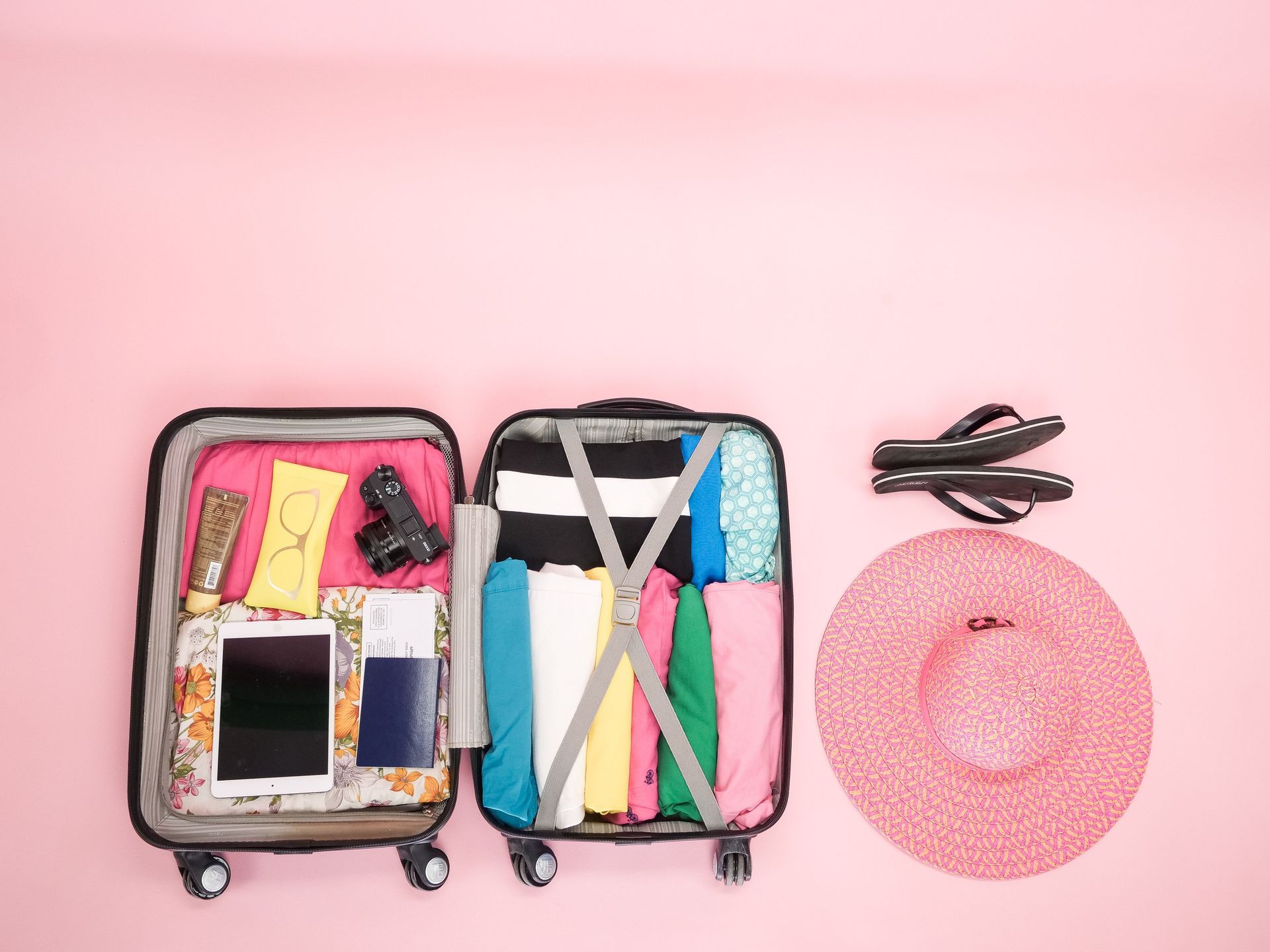
Packing for Italy requires a balance of practicality, comfort, and style, as the country’s diverse landscapes and climates offer everything from sun-drenched beaches to snowy alpine peaks. Whether exploring bustling cities, wandering historic towns, or venturing into the countryside, careful preparation ensures traveller can enjoy every experience comfortably and effortlessly. 

General Packing Tips for Italy

  • General Packing Tips for Italy

    Packing for Italy requires versatility, as the climate and terrain vary greatly between regions. 


    Northern Italy, including Milan, Venice, and the Dolomites, experiences cold winters with occasional snow, while summers are warm and pleasant. 


    Central Italy, such as Rome, Florence, and Tuscany, enjoys mild winters and hot summers, with cooler evenings that make layers advisable. 


    Southern Italy, including Naples, Calabria, and Sicily, has a Mediterranean climate with hot, dry summers, whereas the islands of Sardinia and Sicily can experience sudden rain, making a waterproof jacket essential.

  • Best Footwear for Italy

    Footwear should include comfortable walking shoes for cobbled streets, sandals for casual exploration, and sturdy shoes for hiking in the mountains or national parks. 

  • Essential Packing Items for Italy

    Backpack: A small daypack for mountain hikes or museum visits.


    Sunglasses and Sunscreen: High altitudes intensify UV rays.


    Travel Adapter: Type C/F plugs (230V, 50Hz.  A universal adapter works best.


    Reusable Utensils & Bottle: Lightweight and practical for sustainable travel.


  • Sustainable Packing Tips for Italy

    Choose Eco-Friendly Clothing:


    Pack lightweight, durable, and breathable fabrics like organic cotton, hemp, or recycled polyester.


    Reusable Essentials:


    Carry reusable shopping bags for souvenirs or groceries.


    Pack reusable utensils and travel mugs for picnics or coffee stops.


    Minimise Single-Use Plastics:


    Avoid disposable packaging when hiking or in city cafés.


    Choose refillable toiletries and eco-friendly personal care items.


    Solid shampoo and conditioner bars reduce plastic waste.


    Pack Efficiently: Travel with a lightweight, durable backpack and compact luggage to reduce transport emissions.


    Prioritise versatile clothing that can be layered, mixed, and matched.


ITALY’s Culture

Italy’s culture is a tapestry of art, music, folklore, and gastronomy. Opera and classical music thrive alongside street performances, while Renaissance and Baroque architecture display centuries of innovation. Handcrafted ceramics, textiles, and leather goods reflect local traditions, and festivals, cuisine, and rituals highlight a culture deeply rooted in community and creativity.

Italy’s Festivals

Italy’s festivals are a vibrant celebration of its history, culture, and community spirit, bringing towns and cities to life with colour, music, and tradition. From centuries-old religious processions to lively seasonal carnivals, these events offer travellers a unique window into the country’s rich cultural heritage and joyful local customs.


Here are five Italian festivals to experience:

  • Carnival (Carnevale)

    When: February/March


    Where: Venice and Viareggio 


    About:  Venice and Viareggio burst into life with dazzling parades, elaborately crafted masks, and energetic street performances. 


    Gondolas glide through the canals adorned in festive decoration, while masquerade balls and live music fill the air with a sense of mystery, celebration, and playful indulgence.

  • Palio di Siena

    When: July/August


    Where: Siena


    About: Siena’s historic horse race transforms the city into a thrilling spectacle of medieval pageantry, fierce local rivalry, and vibrant colour. 


    Each contrada, or district, proudly displays its flags and costumes, and the tension and excitement build as horses thunder around the Piazza del Campo in a race that captivates both locals and visitors alike.

  • Infiorata Flower Festivals

    When: May/June


    Where: towns like Noto, Spello, and Genzano


    About:  Streets are transformed into breathtaking mosaics of flowers, creating intricate and ephemeral works of art. 


    Visitors are mesmerised by the vibrant colours, delicate patterns, and the sheer skill of artisans who craft these spectacular displays, turning each festival into a living gallery of natural beauty.

  • Festa della Madonna Bruna

    When: July


    Where: Matera


    About: Matera comes alive with a dynamic mix of religious devotion and joyful celebration, as a grand procession honours the Madonna Bruna. 


    Spectators enjoy music, fireworks, and traditional dances, while the entire city participates in a communal expression of faith, identity, and centuries-old tradition.

  • Umbria Jazz Festival

    When:  July


    Where: Perugia, Umbria


    About: Perugia’s historic streets and squares echo with the sounds of world-class jazz, attracting performers and enthusiasts from across the globe. 


    From intimate concerts to large open-air performances, the festival creates a vibrant atmosphere where music, culture, and history converge, leaving visitors inspired long after the final note.

More about Italy's Culture

  • Italy’s Arts and Crafts

    Italy’s arts and crafts are a vivid reflection of its history, regional identity, and cultural pride. 

    From hand-blown Murano glass and intricately painted ceramics to fine leatherwork and delicate textiles, these traditional crafts not only showcase exceptional skill but also keep centuries-old techniques alive, playing a central role in preserving and celebrating Italy’s rich cultural heritage.

ITALY’s Food

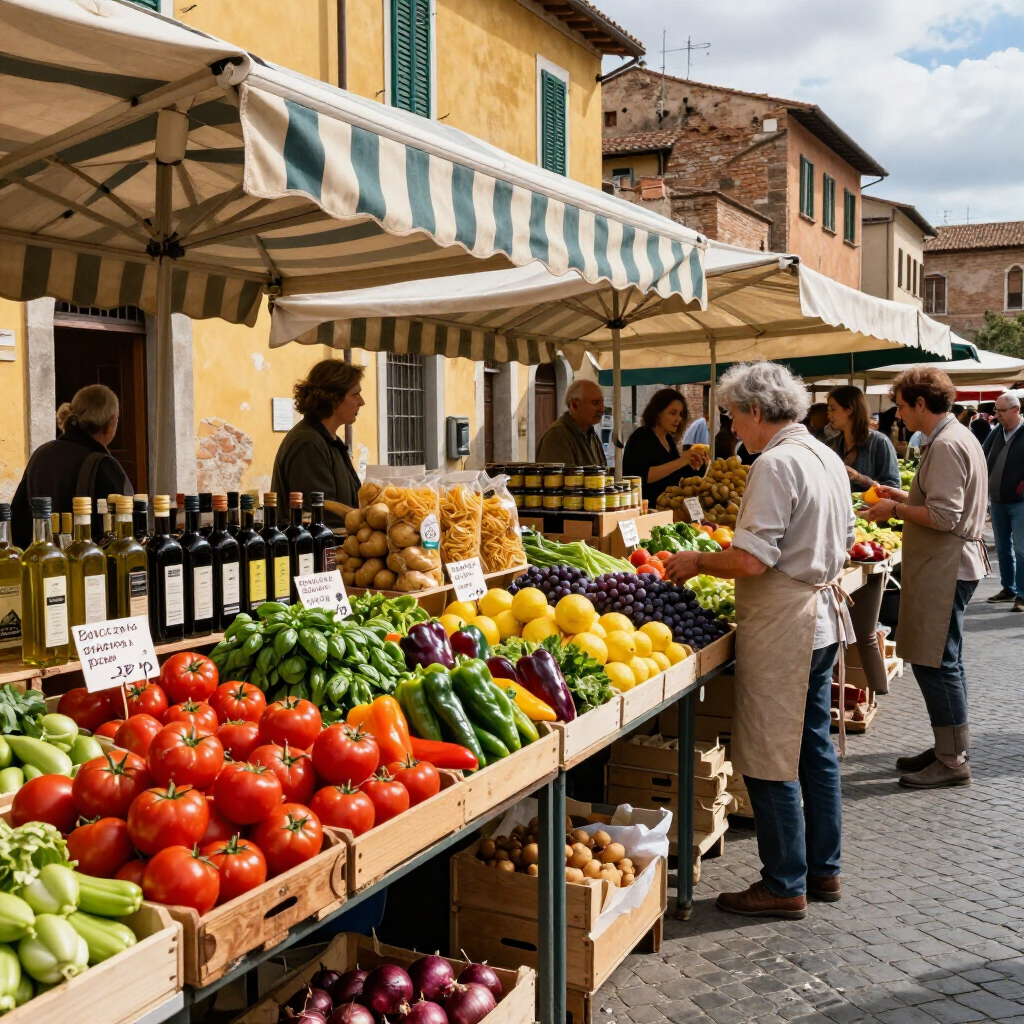
Italy’s cuisine is celebrated worldwide for its incredible variety, exceptional quality, and deep connection to local traditions. Each region offers its own distinctive flavours and specialties, from the rich, comforting pasta dishes and Neapolitan pizza of the south to the creamy risottos of northern Lombardy and Veneto.


Along the coast, freshly caught seafood—fish, shellfish, and squid—is prepared simply to highlight its natural taste.


Sweet indulgences, including artisanal gelato and classic pastries like cannoli, tiramisu, and sfogliatella, provide a perfect finale to any meal.


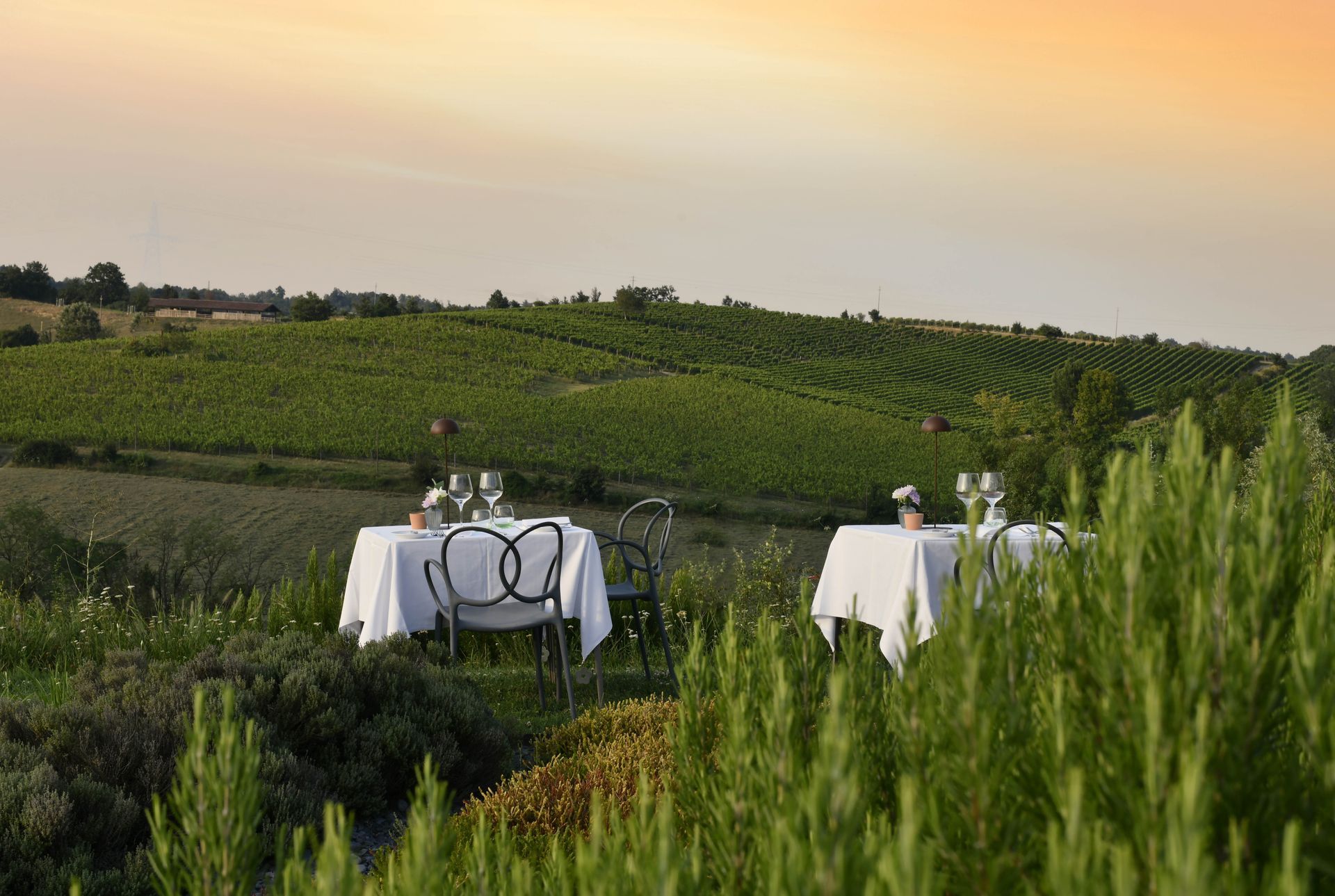
Complementing these dishes are Italy’s renowned wines, from Chianti and Barolo to sparkling Prosecco, and its fragrant extra virgin olive oils, which together reflect a culinary heritage that is both timeless and deeply rooted in the land.

ITALY's Weather

Italy’s climate varies beautifully with the seasons, offering something special at any time of year.


Winter, from December to February, brings cold temperatures in the north with snow dusting the Alps, while the south enjoys milder weather, perfect for exploring historic towns without the summer crowds.

Spring, from March to May, is mild and pleasantly temperate, with blooming landscapes making it an ideal season for sightseeing and wandering through gardens and ancient streets.

Summer, from June to August, is hot and dry, particularly in southern Italy, creating perfect conditions for beach trips along the Amalfi Coast, Sicily, or Sardinia.

Autumn, from September to November, is a time of harvest in the country’s famous wine regions, offering cooler temperatures in the north and a golden backdrop across Tuscany’s rolling hills, making it an enchanting season for cultural and culinary exploration.
  • Which major airlines fly to Italy internationally?

    • Alitalia (ITA Airways)


    • British Airways, Lufthansa, Air France, KLM, Iberia


    • United Airlines, Delta, and American Airlines (from select U.S. cities)


  • What domestic airlines operate within Italy?

    • ITA Airways and Neos Air


    • EasyJet (budget options for domestic and nearby European cities)

  • What are the main international airports in Italy?

    • Rome Fiumicino Airport (FCO) – Main gateway

    • Milan Malpensa Airport (MXP) – Northern hub

    • Venice Marco Polo Airport (VCE) – Northeast access

    • Naples Airport (NAP) – Southern Italy

    • Catania–Fontanarossa Airport (CTA) – Sicily


  • How can I enter Italy by land?

    Italy shares borders with France, Switzerland, Austria, and Slovenia, allowing entry by car, bus, or train. 


  • Are ATMs readily available in Italy?

    ATMs are abundant in cities, towns, and airports. 


    Major banks accept international cards, and credit/debit cards are widely used.

  • What health precautions should I take before traveling to Italy?

    No mandatory vaccinations for most travellers


    Recommended: routine vaccines (MMR, tetanus, diphtheria, polio)


  • What languages are spoken in Italy?

    Italian is the official language


    English is widely spoken in tourist areas; French, German, and Spanish are also common


  • What currency is used in Italy?

    Euro (€) – Italy is part of the Eurozone. 


    Credit/debit cards are widely accepted, but cash is useful for smaller shops and islands.


  • Do I need a visa to enter Italy?

    Citizens of the EU/EEA and many other countries (including the U.S., Canada, Australia) do not require a visa for short stays up to 90 days


    Check the Schengen visa requirements if you are from a country that requires a visa


  • What are the tipping guidelines for Italy?

    Restaurants: 5–10% if service is not included

    Cafés/bars: rounding up is common

    Taxis: rounding up or adding 5–10% for longer trips

    Hotels: small tips for porters or housekeeping are appreciated


Frequently Asked Questions for ITALY

Inspirational Blog Posts you might like 

Monopoly Green house stands out among scattered red houses.
By Kelly Forbes November 21, 2025
Uncover the hidden world behind luxury hotels: ownership structures, management contracts, and the importance of sustainable and restoration-focused travel.
By Kelly Forbes August 22, 2025
Discover how overtourism and housing pressures are driving global crack downs. Learn what regulations mean for travellers, locals, and the future of city stays.
Cinque Terre fishing village by sunset
By Kelly Forbes August 11, 2025
Discover how to explore Cinque Terre by train, foot and ferry. Hike scenic trails, avoid the crowds, and dine smart with this ultimate travel guide.

JOIN OUR NEWSLETTER

Experience the world of responsible luxury travel with us by subscribing to our newsletter The Circular.

Let A’ARU Collective be your trusted companions on a journey that is both enriching and captivating

No spam. We respect your privacy.