
Vietnam Eco-Luxury Hotels
Introduction to Vietnam
Vietnam, often referred to as the "Land of the Ascending Dragon," is a is a country of striking beauty and quiet resilience, where history flows as deeply as its rivers and tradition lives side by side with vibrant modern life.
Ancient pagodas rise above bustling streets, while echoes of the past enrich the rhythm of the present.
Shaped by centuries of dynasties, foreign influences, and an enduring national spirit, Vietnam’s culture is both deeply rooted and constantly evolving. Daily life unfolds with remarkable energy—from early-morning markets to evenings filled with lantern light, music, and conversation.
The landscape of Vietnam is as varied as it is breathtaking. From the emerald rice terraces of Sapa to the dramatic limestone pillars of Ha Long Bay, and from the timeless charm of Hanoi to the dynamic pulse of Ho Chi Minh City, the country offers travellers a journey through contrasts, colour, and unforgettable moments.
Vietnam is a place that invites exploration, rewards curiosity, and leaves a lasting impression on all who visit.
vietnam's sustainable Hotel collection
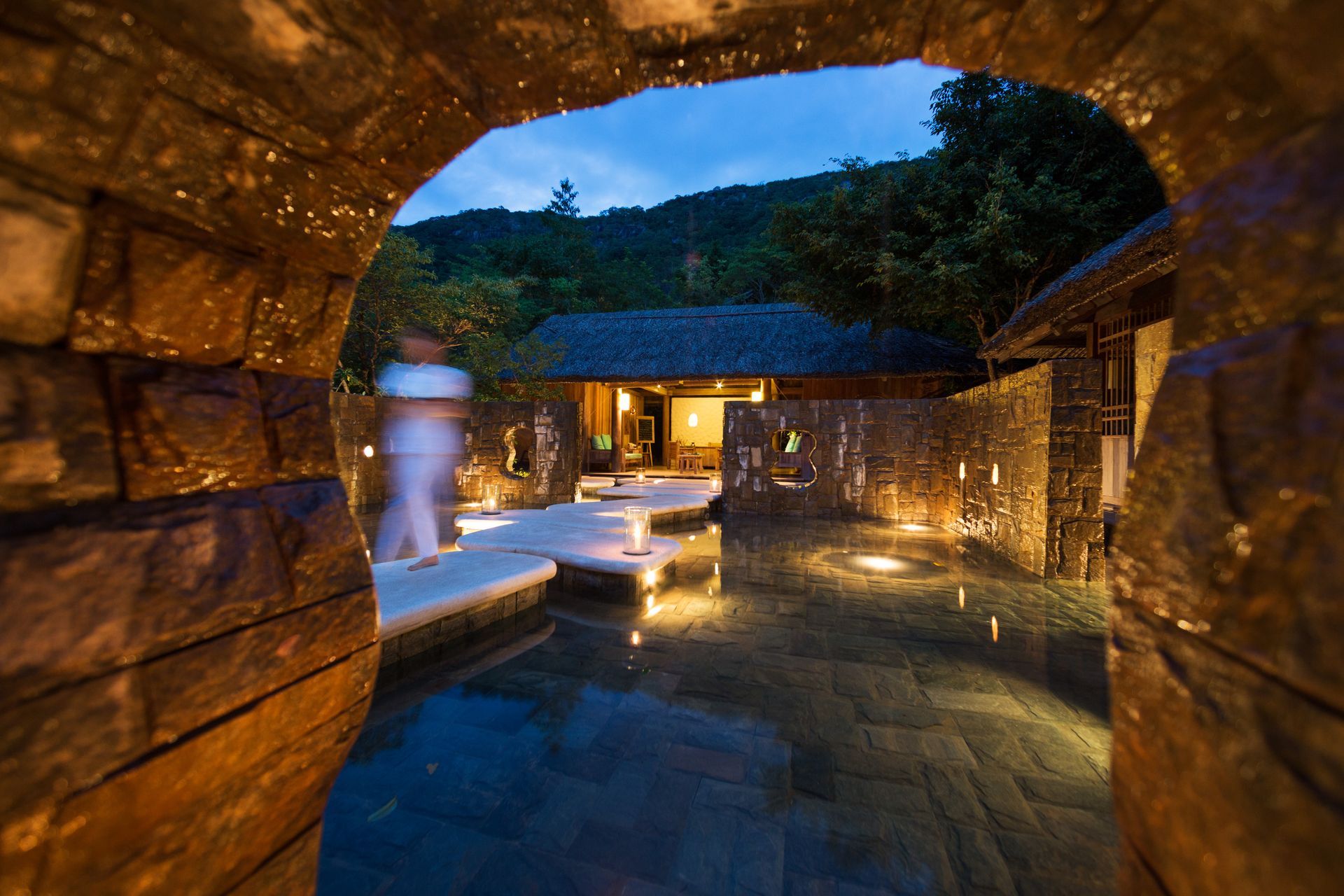

Where travel meets purpose
Vietnam Quick Guide
Vietnamese
Vietnamese Dong (VND)
Code +84
UTC/GMT
+7 Hours
Type A/C/D
(220 Volt, 50 Hz)
12–13 Hours
from the UK
Vietnam’s Unique Experiences
Vietnam, a land of rich history and stunning natural beauty, offers a unique blend of breathtaking landscapes and vibrant culture.
A'ARU Collective champions responsible luxury travel, ensuring that premium experiences harmoniously coexist with environmental stewardship—preserving the beauty of Vietnam for generations to come.
To book experiences, please contact us
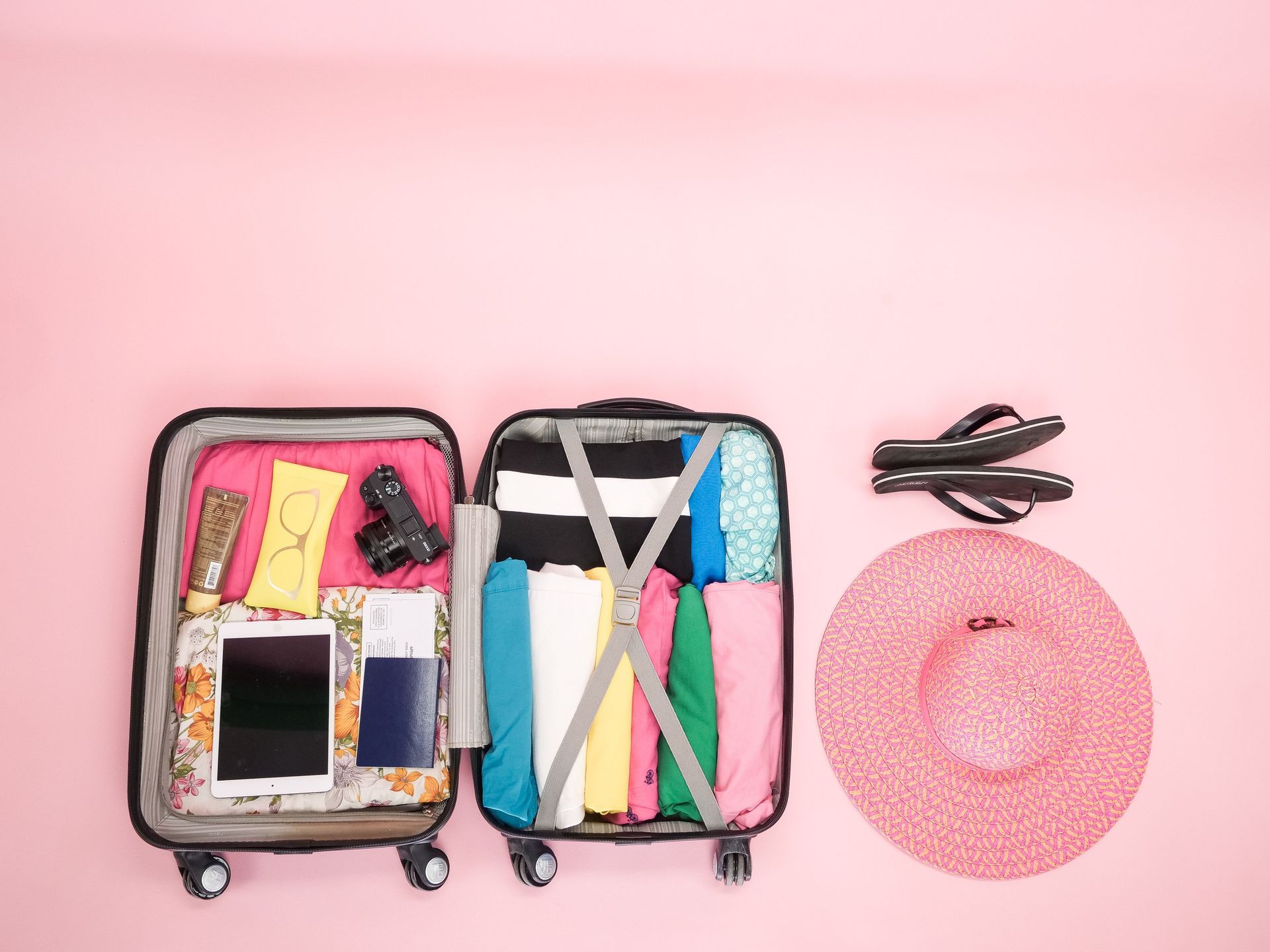
Ultimate Packing Guide for vietnam
Vietnam offers an incredible mix of experiences, from the bustling streets of Hanoi and Ho Chi Minh City to the serene beaches of Phu Quoc and the breathtaking landscapes of Ha Long Bay and Sapa.
Stretching over 1,000 miles from north to south, the country spans various climates, making smart packing essential for a comfortable and enjoyable trip.
Here’s everything you’ll need for your Vietnam adventure, whether exploring ancient temples, trekking through the mountains, or relaxing on the coast.
General Packing Tips for Vietnam
General Packing Tips for Vietnam
Climate Considerations
Vietnam’s climate varies by region:
• North (Hanoi, Sapa, Ha Long Bay): Cool winters (November–March) and hot, humid summers (May–August). A light jacket is necessary in winter, while breathable clothing is ideal for summer.
• Central (Da Nang, Hue, Hoi An): Warm year-round, with heavy rains from September to December. A waterproof jacket is essential.
• South (Ho Chi Minh City, Mekong Delta, Phu Quoc): Tropical climate with hot, humid conditions and a rainy season from May to October. Light, moisture-wicking clothes are recommended.
Respect Local Customs
When visiting temples or pagodas, wear modest clothing that covers your shoulders and knees. Avoid sheer or tight-fitting attire, and remove your shoes before entering religious sites.
Versatility is key
Pack neutral, mix-and-match pieces to maximise your wardrobe. Opt for lightweight, quick-drying fabrics that wick moisture and resist odours, making them ideal for Vietnam’s climate.
Best Clothing to pack for Vietnam
Lightweight Clothing: Opt for breathable, durable fabrics like organic cotton, hemp, and linen. These materials keep you cool and are comfortable for all-day wear.
Tops and Bottoms: Pack a mix of short-sleeve and long-sleeve tops, lightweight trousers, and shorts. These should be versatile and easily layered.
Dresses and Skirts: Lightweight and breathable dresses and skirts are great for casual wear and can be easily dressed up or down. Ensure they are knee-length or longer for temple visits.
Swimwear: Choose swimwear that dries quickly and resists fading from chlorine or salt water.
Waterproof Jacket: A lightweight, packable rain jacket is essential during the rainy season.
Layers: Despite the generally warm climate, a lightweight cardigan or jumper can be useful for cooler evenings or air-conditioned environments.
Best Footwear for Vietnam
Sandals: Opt for versatile and durable sandals that are perfect for most occasions in Vietnam.
Comfortable Walking Shoes: Choose comfortable walking shoes suitable for exploring cities and walking on uneven paths.
Trekking Footwear: If you plan on trekking in Sapa or other mountainous regions, sturdy hiking shoes or boots with good grip are essential.
Sun Protection whilst in Vietnam
Hats: A wide-brimmed hat provides essential sun protection, especially in the hot southern regions.
Sunglasses: Choose sunglasses with 100% UV protection and a durable design.
Cover-Ups: A lightweight shawl or wrap is useful for sun protection, temple visits, or chilly flights.
Essential Packing Items for Vietnam
Travel Adapters: Vietnam uses Type A, C, and D plugs with 220V/50Hz electricity. A universal adapter is essential, particularly if travelling to remote areas.
Umbrella: A small, sturdy umbrella is useful for sudden rain showers and sun protection.
Reef-Safe Suncream: Vietnam’s high UV index makes sunscreen essential. Choose an eco-friendly, biodegradable formula to protect marine ecosystems with a high SPF.
Insect Repellent: Essential year-round, choose a formula that is effective against heat and sweat. Natural options with ingredients like citronella or eucalyptus oil are preferable.
First-Aid Kit: Bring any specific medications you require, as they may be difficult to find locally. A basic first-aid kit should include motion-sickness medicine, pain relivers, bug spray, and any other personal health items.
Eco-Friendly Toiletries: Opt for biodegradable soap, shampoo bars, and other personal care items.
Sustainable Travel Tips for Vietnam
Reusable Water Bottle: Vietnam’s hot climate requires frequent hydration. Carry a refillable water bottle to reduce plastic waste.
Reusable Shopping Bags: Ideal for carrying souvenirs and reducing the use of single-use plastic bags.
Eco-Friendly Travel Accessories: Pack bamboo toothbrushes, reusable straws, and cloth napkins to minimise waste.
Vietnam’s Culture
Vietnam’s rich culture is a tapestry woven from ancient traditions, colourful festivals, intricate arts and crafts, and deeply rooted customs. Festivals like Tet (Lunar New Year) and Mid-Autumn Festival bring communities together in vibrant celebrations, while traditional customs such as ancestor worship and respect for elders shape daily interactions.
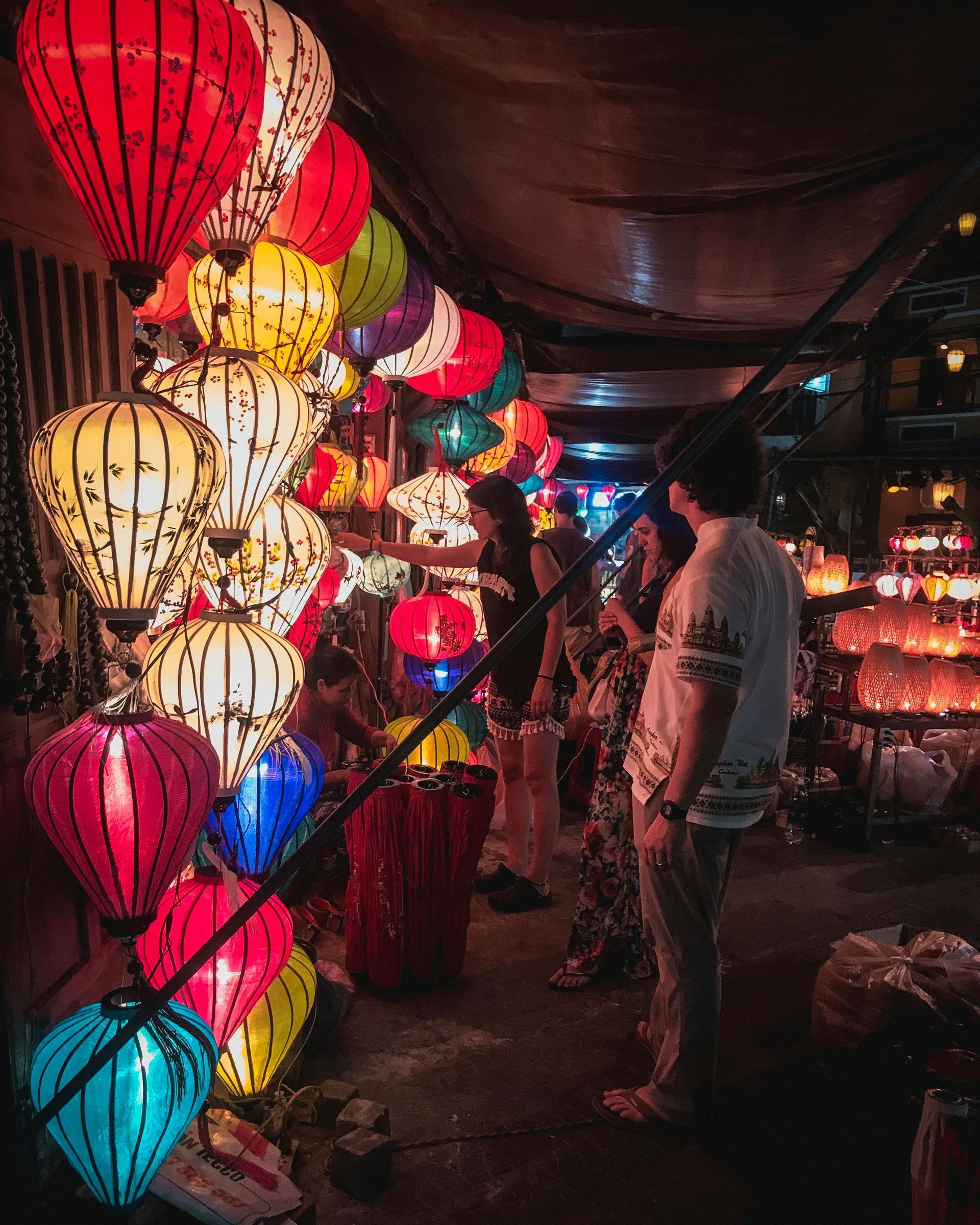
Vietnamese arts and crafts, from delicate silk embroidery and lacquer painting to the meticulous craftsmanship of conical hats (nón lá) and ceramic pottery, reflect centuries of heritage and artistic excellence. Together, these elements create a dynamic cultural landscape that invites visitors to immerse themselves in Vietnam’s unique and enduring traditions.
Vietnam’s Festivals
Festivals in Vietnam serve as vibrant windows into the country’s history and beliefs, uniting families and entire villages in joyous rituals.
These celebrations highlight Vietnam’s enduring customs and the warmth of its people, inviting travellers to experience a captivating blend of sights, sounds, and time-honoured traditions.
Here are five Vietnamese festivals to experience:
Tết Nguyên Đán (Lunar New Year)
When: Late January or February (varies by lunar calendar)
Where: Celebrated nationwide; major festivities in Hanoi and Ho Chi Minh City
About: Vietnam’s most important festival, marking the Lunar New Year with grand fireworks, family reunions, ancestral worship, and red envelopes for luck.
Tết Trung Thu - Mid-Autumn Festival
When: September or October (full moon of the 8th lunar month)
Where: Celebrated throughout Vietnam; most vibrant in Hanoi’s Old Quarter and Hoi An
About: A magical night of colourful lantern parades, lion dances, and mooncakes, dedicated to children and family togetherness.
Giỗ tổ Hùng Vương - Hung Kings’ Festival
When: April 10th (lunar calendar)
Where: Phu Tho Province, northern Vietnam
About: Honouring Vietnam’s legendary Hung Kings, this national holiday features grand processions, temple rituals, and folk performances.
Perfume Pagoda Festival
When: February to April (lunar calendar)
Where: Perfume Pagoda, near Hanoi
About: A sacred pilgrimage to one of Vietnam’s most revered Buddhist
Hoi An Lantern Festival
When: Every full moon (monthly)
Where: Hoi An Ancient Town
About: The town transforms into a glowing wonderland as thousands of lanterns float down the river, creating a breathtaking spectacle of light and reflection.
More about Vietnam's Culture
Vietnam’s Arts and Crafts
Vietnam’s traditional arts and crafts form an essential part of the nation’s cultural identity, showcasing centuries of skilled craftsmanship, intricate designs, and deep symbolism.
Each region boasts its own artistic specialities, reflecting the diverse heritage and ingenuity of Vietnamese artisans.
Among the most revered crafts is silk weaving, with villages like Van Phuc producing luxurious, handwoven silk known for its delicate patterns and lustrous finish. Similarly, lacquerware is a signature art form, where layers of resin are meticulously applied and polished to create exquisite vases, jewellery boxes, and paintings, often depicting nature and folklore.
Vietnam is also renowned for ceramic and pottery craftsmanship, with Bat Trang village leading in fine ceramics ranging from everyday tableware to intricately painted decorative pieces. Meanwhile, woodcarving thrives in regions like Hue and Dong Ky, where artisans sculpt elaborate pagoda decorations, furniture, and traditional figurines.
Additionally, the iconic conical hat (nón lá), woven from palm leaves, serves both practical and aesthetic purposes, symbolising Vietnam’s rural beauty and craftsmanship. Embroidery, another cherished art, showcases stunning hand-stitched designs on textiles, from traditional áo dài tunics to intricate wall hangings.
These timeless crafts not only preserve Vietnam’s rich artistic heritage but also offer visitors a chance to take home a piece of its culture. Whether as meaningful souvenirs or decorative treasures, each handcrafted item tells a story of tradition, skill, and artistic excellence.
Vietnamese Cuisine
The foundation of Vietnamese cuisine is rice, typically steamed but also crafted into various types of noodles, such as pho, bun, and banh cuon. Sticky rice (xôi) is a popular choice for certain traditional dishes. Meals are often composed of a variety
of complementary dishes, including fresh vegetables, meat, seafood, eggs, and
nourishing soups.
While Vietnamese food is packed with flavour, it is not always intensely spicy.
Instead, it focuses on a delicate balance of sweet, sour, salty, and umami tastes,
enhanced by signature ingredients such as fish sauce, lime, fresh herbs, and
aromatic spices. Many dishes can be customised to suit different spice preferences.
Vietnam is also a haven for tropical fruit lovers, offering a wide selection of fresh
produce. Markets are filled with mangoes, pineapples, bananas, longan,
mangosteen, jackfruit, and the renowned durian—often called the king of fruits; due
to its unique aroma and rich, creamy texture.
Whether indulging in a steaming bowl of pho, a crispy banh mi, or a refreshing fruit smoothie, Vietnamese cuisine offers a rich and diverse culinary experience.
vietnam's Weather
Between November and April, much of the country enjoys drier, gentler days. Cooler air settles over Hanoi and the northern highlands, creating crisp mornings and comfortable temperatures, while central Vietnam basks in warm sunshine. In the south, tropical warmth remains constant, perfect for exploring bustling cities and river landscapes.
From May to October, Vietnam is refreshed by seasonal rains. Lush greenery flourishes as short, dramatic downpours sweep through the landscape—often giving way to bright skies and golden light. This season breathes life into rice fields, forests, and waterways, revealing Vietnam at its most vibrant.
The country’s long, slender shape gives rise to distinct regional climates. The north experiences clear seasonal changes, from cool winters to warm summers. Central Vietnam carries a more dramatic mood, with powerful seas and occasional typhoons in early autumn, while the south enjoys a consistently tropical climate year-round.
In every season, Vietnam offers travellers a different perspective—each one beautiful, immersive, and deeply connected to the land.
JOIN OUR NEWSLETTER
Experience the world of sustainable luxury travel with us by subscribing to our newsletter ‘The Circular’.
Let A’ARU Collective be your trusted companions on a journey that is both enriching and captivating
No spam. We respect your privacy.