DESTINATION

MONTENEGRO

INTRODUCING 

MONTENEGRO

Montenegro, often called the “Jewel of the Adriatic," is a country of dramatic contrasts where rugged mountains meet turquoise seas, medieval towns nestle beside fjord-like bays, and ancient traditions blend seamlessly with modern life.


From the fortified streets of Kotor and the Venetian architecture of Budva to the serene beauty of Lake Skadar and the wild peaks of Durmitor National Park, Montenegro offers a diverse tapestry of experiences.


Its coastline boasts hidden beaches and lively seaside resorts, while inland areas provide opportunities for hiking, rafting, and exploring centuries-old monasteries.


Montenegro’s warm hospitality, rich folklore, and fresh Mediterranean cuisine make it a destination that lingers in the memory long after departure.

Featured MONTENEGRIN Hotels

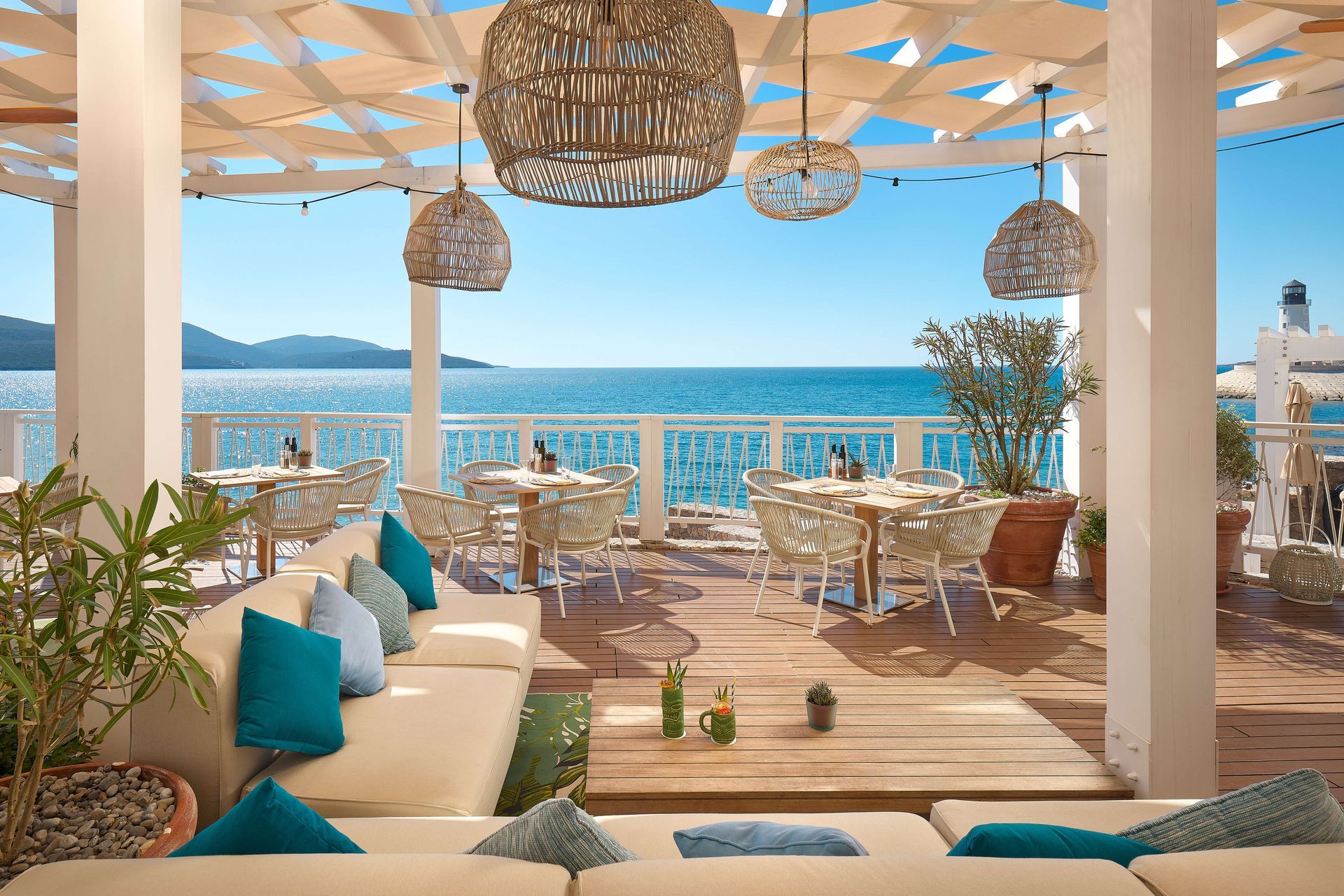
Outdoor restaurant overlooking the ocean with beige couches, tables, wicker lamps, and blue accents.

THE CHEDI LUSTICA BAY

A perfect blend of comfort and elegance. With stunning views of the Adriatic Sea and a range of world-class amenities, guests can relax in style while being mindful of the environment.

FIND OUT MORE

Where travel meets purpose

MONTENEGRO Quick Guide

A black and white icon of two speech bubbles with chinese characters on them.

Montenegrin

Serbian, Bosnian, Albanian, and Croatian also widely spoken. 

A black and white drawing of a dollar , euro , and pound coins.

Euro (EUR)

A black and white drawing of a phone on a white background.

Code +382

A black and white globe with a clock inside of it.

UTC/GMT

+1/+2Hours

A black and white icon of a plug with a lightning bolt on it.

Type C/F (230 Volt, 50 Hz)

A black and white drawing of an airplane and a clock.

3 Hours

from the UK

TRAVEL ETIQUETTE

Respect Thailand’s Local Culture and Traditions

  • Dressing Respectfully

    A woman is standing in front of a statue holding a flower.

    When visiting temples or rural areas in Thailand, wear modest attire. Ensure your shoulders and knees are covered to show respect for local customs and traditions.

  • Temple Etiquette

    A white building with a red roof is surrounded by trees and bushes
    • Remove your shoes before entering temples.
    • Keep your head lower than Buddha statues.
    • Avoid pointing your feet towards Buddha statues.
  • Cultural Greetings

    A man in a yellow shirt is standing in front of a building with his hands folded.
    • Embrace the traditional Thai greeting, the wai, by placing your hands together in a prayer-like gesture and bowing slightly, especially when greeting elders and monks.
    • Reserve the wai for hands-free moments when handling street food or settling bills; opt for a friendly nod or bow instead.
  • Proper Use of Hands

    A woman is standing in front of a food stand holding a drink.
    • Use your right hand for passing items and financial transactions.
    • Keep your left hand discreetly in the background
    • Avoid Pointing: Summon someone with a friendly wave and palm facing up instead of pointing.
    • Respect Feet: Keep your feet grounded and avoid pointing them at people or religious objects
    • Sacred Heads: Treat heads as sacred and avoid touching others' heads.
    • Respect Monks: Show appreciation for monks from a distance and avoid physical contact.
    • Thai Smile: Use the Thai smile as a universal key to making friends and connecting with locals.

Being Environmental Responsible in Thailand

  • Luxury Without Plastic

    A sign for a restaurant is surrounded by umbrellas hanging from the ceiling.

    Carry a reusable,  water bottle and refuse single-use plastics. Most Luxury hotels now offer water refill stations.

  • Ethical Wildlife Experiences

    A man and woman are riding on the back of an elephant.

    Choose private experiences that prioritise animal welfare, such as visits to ethical sanctuaries and conservation programs over elephant riding or tiger temples.

  • Leave No Trace

    A person is standing on a wooden bridge in the jungle.

    Whether hiking in the mountains or lounging on the beach, ensure that all waste is responsibly disposed of and leave the natural surroundings untouched.

Supporting Thailand’s Local Communities

  • Invest in Local Artisans

    A woman is standing in a crowded market and smiling.

    Purchase quality, locally-made products from artisans and markets. This supports the economy and preserves traditional crafts.

  • Gourmet Local Dining

    A pot of soup is sitting on a wooden table.

    Savour meals at locally-owned restaurants that offer authentic Thai cuisine with a modern twist, supporting local chefs and farmers.

  • Luxury Eco-Lodging

    A house is sitting on a small island in the middle of a lake surrounded by trees.

    Choose accommodations that combine luxury with sustainability, such as boutique hotels and resorts that prioritise local ownership, a circular economy and environmental responsibility.

Transportation Choices around Thailand

  • Eco-Luxury Transport

    A man in a uniform is standing at a train station

    Opt for sustainable transport options such as train travel and hybrid or electric luxury cars provided by recognised hoteliers or reputable Destination Management Companies (DMCs) or Ground Handlers.

  • Exclusive Bicycle Tours

    A blue bicycle with a basket is parked in front of a white wall

    In cities like Chiang Mai, enjoy exclusive guided bicycle tours that allow you to explore while minimising your carbon footprint.

Thailand’s Wildlife and Nature Conservation 

  • Marine Conservation

    A sea turtle is swimming in the ocean with the sun shining through the water.

    When enjoying diving or snorkeling experiences, avoid touching coral reefs and marine animals. Use quality reef-safe sunscreen to protect the underwater ecosystem.

  • Collaborative Clean-Up Events

    A building with a sign that says jasmine on it

    Participate in clean-up efforts, often organised by NGOs or luxury resorts, to help maintain beaches, forests, and other natural areas.

  • Adhere to Park Regulation

    A monkey standing on top of a stone pillar

    Follow rules and guidelines in national parks to minimise your impact on wildlife and their habitats, ensuring that these pristine environments remain unspoiled.

Luxury travel in Thailand can be both bountiful and responsible. By practicing sustainable travel etiquette, you can enjoy the country's beauty while making a positive impact on its environment, culture, and local communities. Travel mindfully, ensuring that Thailand remains a breathtaking and welcoming destination for generations to come.

responsible TRAVEL ETIQUETTE for MONTENEGRO

Montenegro’s appeal lies in its pristine landscapes, historic towns, and strong sense of local identity. Travelling responsibly helps protect the country’s natural beauty and cultural traditions, ensuring these remarkable places can be enjoyed for generations to come.

Respecting Montenegro’s Local Culture and Traditions

  • Dressing Respectfully

    In Montenegro, dressing respectfully helps you blend in and shows consideration for local customs, especially in smaller towns and rural areas. 

    Lightweight, modest clothing that covers shoulders and knees is recommended, while comfortable shoes are essential for exploring cobbled streets and mountainous terrain.

  • Cultural Composure

    Montenegro’s charm is rooted in its history, folklore, and community spirit. Respecting local customs enriches your visit and helps preserve the country’s cultural heritage. A polite handshake is standard for formal greetings, while “zdravo” or a friendly nod suffices in casual encounters. 

    Meals are social occasions, often lasting longer than expected, and it is customary to thank your host or restaurant staff. 

  • Religious Site Etiquette

    When visiting churches and monasteries in Montenegro, modest dress is expected as a sign of respect. 


    Shoulders and knees should be covered, and it is advisable to carry a light scarf or layer to ensure easy access to religious buildings.

Being Environmentally Responsible in  Montenegro

  • Life Without Plastic

    Carry a refillable water bottle— many hotels and cafes provide refill stations.

  • Wildlife and Nature

    Stick to marked hiking paths and respect wildlife by keeping a safe distance. 


    Avoid picking alpine flowers or disturbing natural habitats.


    Support conservation-focused experiences, such as guided dolphin tours or visiting protected areas, rather than exploitative animal shows.

  • Leave No Trace

    When hiking in Durmitor or exploring national parks like Biogradska Gora, stick to marked trails, carry out your waste, and avoid disturbing wildlife.

Supporting Montenegro's Local Communities

  • Invest in Local Artisans

    Supporting local artists in Montenegro is a wonderful way to engage with the country’s culture while contributing directly to the community. 


    Visiting artisan workshops, galleries, and markets allows travellers to purchase handcrafted ceramics, textiles, jewellery, and woodwork, ensuring traditional skills are preserved and local livelihoods are sustained. 

    By choosing locally made products, you take home a meaningful souvenir while helping Montenegro’s creative heritage thrive.

  • Local Dining

    Experiencing local dining in Montenegro is both a cultural delight and a way to support the community. 


    By choosing family-run restaurants, seaside konobas, and village eateries, travellers savour authentic dishes such as Njeguški pršut, fresh seafood, and hearty mountain stews. 


    Embracing these local flavours not only enriches your journey but also helps sustain small businesses and traditional culinary practices.

  • Authentic Lodging

    Choosing independent, eco-friendly hotels and guesthouses that prioritise renewable energy, water conservation, and sustainable practices further contributes to preserving Montenegro’s natural beauty and cultural heritage for future generations.

Transportation Choices around Montenegro

  • Transport

    Getting around Montenegro is best done at a relaxed pace, allowing you to savour its dramatic landscapes and charming towns. 


    Buses and rental cars are the most common ways to travel between coastal and inland regions, offering flexibility to explore villages, national parks, and scenic mountain passes. 

    Montenegro does have a limited train service, most notably the Belgrade–Bar railway, which is famous for its breathtaking scenery, tunnels, and viaducts. 

  • Cycling and Walking Tours

    Walking and cycling in towns like Kotor, Budva, or Perast provide a more intimate and enjoyable way to discover local streets and hidden corners. 

Montenegro’s Wildlife and Nature Conservation 

  • Protected Parks

    Montenegro’s national parks are treasures of natural beauty, from the rugged peaks and glacial lakes of Durmitor to the lush canyons of Biogradska Gora. 


    These protected areas offer hiking, wildlife spotting, and unforgettable vistas, allowing visitors to experience the country’s landscapes in their most pristine form.

  • Marine Life

    Montenegro’s Adriatic coastline is rich with marine life, including colourful fish, octopus, and the occasional sea turtle. 


    Protected coastal areas and quiet bays, such as around Sveti Stefan and the Bay of Kotor, offer opportunities for snorkelling, diving, or simply observing the thriving underwater ecosystems.

Ultimate Packing Guide foR MONTENEGRO

Packing for Montenegro requires versatility, as the country’s landscapes and climates range from sun-soaked Adriatic beaches to rugged mountain peaks. Whether you plan to wander medieval streets, hike through national parks, or relax in coastal towns, bringing comfortable, weather-appropriate clothing and practical footwear ensures you can enjoy every experience in comfort and style.

General Packing Tips for Montenegro

  • General Packing Tips for Montenegro

    Montenegro’s climate varies considerably depending on the region. The coastal areas, including Budva and Herceg Novi, enjoy a Mediterranean climate with hot summers and mild winters, so lightweight clothing is essential. 


    Inland regions and mountains, such as Durmitor and Prokletije, experience cold winters with snow and mild summers, requiring layers and a warm coat for winter trips. 

    Lake Skadar and northern valleys are prone to rainfall, so a waterproof jacket is advisable.

  • Best Footwear for Montenegro

    Comfortable walking shoes are a must for cobbled streets, rocky trails, and historic towns. 

    Sandals are perfect for coastal exploration, while sturdy hiking boots are necessary for mountainous trails and national parks.

  • Essential Packing Items for Montenegro

    Backpack: A small daypack for mountain hikes or museum visits.


    Sunglasses and Sunscreen: High altitudes intensify UV rays.


    Travel Adapter: Type C/F plugs (230V, 50Hz.  A universal adapter works best.


    Reusable Utensils & Bottle: Lightweight and practical for sustainable travel.


  • Sustainable Packing Tips for Montenegro

    Choose Eco-Friendly Clothing:


    Pack lightweight, durable, and breathable fabrics like organic cotton, hemp, or recycled polyester.


    Reusable Essentials:


    Carry reusable shopping bags for souvenirs or groceries.


    Pack reusable utensils and travel mugs for picnics or coffee stops.


    Minimise Single-Use Plastics:


    Avoid disposable packaging when hiking or in city cafés.


    Choose refillable toiletries and eco-friendly personal care items.


    Solid shampoo and conditioner bars reduce plastic waste.


    Pack Efficiently:

    Travel with a lightweight, durable backpack and compact luggage to reduce transport emissions.


    Prioritise versatile clothing that can be layered, mixed, and matched.


MONTENEGRIN Culture

Montenegro’s culture is a blend of Slavic traditions, Mediterranean influences, and a proud history of resilience. Folk music and dance are central to communal celebrations, and the country’s historical architecture, from Byzantine churches to Ottoman fortresses, showcases centuries of cultural exchange. Local craftsmanship thrives in embroidery, wood carving, and silver jewellery, and festivals, cuisine, and rituals provide a glimpse into the Montenegrin way of life.

Montenegro's Festivals

Montenegro’s festivals celebrate the country’s rich history, vibrant culture, and close connection to the natural world. From coastal music events to traditional village celebrations, these gatherings offer travellers a chance to experience local life, community spirit, and centuries-old traditions firsthand.

Here are five Montenegrin festivals to experience:

  • Kotor Carnival

    When: February/March


    Where: Kotor


    About: The streets of Kotor come alive with costumes, parades, and lively music, turning the medieval old town into a festive playground.

  • Sea Dance Festival

    When: July


    Where: Budva Riviera


    About:  This music festival attracts international DJs and thousands of visitors to dance under the stars by the Adriatic Sea.

  • Mimosa Festival

    When: February


    Where: Herceg Novi


    About: A celebration of the fragrant mimosa flower, this festival includes processions, concerts, and culinary events, honouring the arrival of spring.


  • Lake Skadar Regatta

    When: August


    Where: Lake Skadar 


    About: Traditional wooden boats race across Montenegro’s largest lake, showcasing local seafaring skills and offering visitors a lively cultural spectacle.

More about Montenegro's Culture

  • Montenegro's Arts and Crafts

    Montenegro is known for exquisite local craftsmanship. Silver filigree jewellery, hand-woven carpets, and embroidered textiles are traditional artisanal products. Stone carving is also a prominent craft, especially in coastal towns, while local painters and sculptors often depict Montenegro’s stunning landscapes and historical architecture.

MONTENEGRIN Food

Montenegrin cuisine is a mouthwatering fusion of Mediterranean freshness and hearty Balkan tradition, offering flavours that are as diverse as the country’s landscapes.


Along the Adriatic coast, freshly caught seafood takes centre stage, from succulent grilled fish and tender squid to briny shellfish, often accompanied by local olive oil and aromatic herbs. Inland, the mountains and valleys are home to robust, comforting dishes featuring lamb, cured meats like Njeguški pršut, and seasoned sausages, often paired with rustic, freshly baked bread and creamy local cheeses.


Sweet treats, such as walnut-filled pastries, honey-soaked desserts, and preserves made from seasonal fruits, provide a delicious finale to any meal.


Montenegro is also celebrated for its wines and strong fruit brandy, rakija, which perfectly complement the regional flavours. Dining here is unhurried and sociable, with meals designed to be savoured, shared, and remembered, offering travellers not just nourishment but a genuine taste of Montenegrin culture.

MONTENEGRO's Weather

Montenegro experiences a wonderfully diverse climate, reflecting its dramatic landscapes that range from Adriatic beaches to towering mountain ranges.


Winter (December–February) brings crisp, cold air to the inland and mountainous regions, with snow blanketing the peaks of Durmitor and the north, creating a striking contrast to the mild, temperate weather along the coast.


Spring (March–May) is one of the most enchanting times to visit, as rolling hills and river valleys burst into bloom, temperatures are comfortably warm, and the landscapes invite long hikes, city strolls, and scenic drives.


Summer (June–August) dazzles along the Adriatic with hot, dry days ideal for sunbathing, swimming, sailing, and exploring the vibrant coastal towns, while the mountains offer a cooler refuge for trekking and outdoor adventures.


Autumn (September–November) brings a golden transition: warm, gentle days along the coast, fewer crowds, and the rich hues of harvest season in vineyards and orchards, making it perfect for wine-tasting, cultural excursions, and enjoying the slower pace of Montenegrin life.

  • Which major airlines fly to Montenegro internationally?

    Montenegro is connected to Europe and beyond through a selection of international airlines. 


    Key carriers include Montenegro Airlines (seasonally), Lufthansa, British Airways, Air France, KLM, Turkish Airlines, and Austrian Airlines. 


    From the United States and other continents, travellers usually connect via major European hubs. 

  • What domestic airlines operate within Montenegro?

    Montenegro is a small country, so domestic air travel is limited. 


    Montenegro Airlines previously operated internal flights, but most travel within the country is done by road or bus. 


  • What are the main international airports in Montenegro?

    The main international gateways are Tivat Airport (TIV), which serves the coastal region including Kotor and Budva, and Podgorica Airport (TGD), which provides access to the capital and northern regions.


     Both airports handle seasonal and year-round international flights.

  • How can I enter Montenegro by land?

    Montenegro shares borders with Croatia, Bosnia and Herzegovina, Serbia, Kosovo, and Albania, allowing entry by car, bus, or train. 

    Border procedures vary depending on nationality, and non-EU travellers may require a visa.

  • Are ATMs readily available in Montenegro?

    ATMs are widely available in cities, towns, and tourist areas, and credit or debit cards are commonly accepted in most hotels, restaurants, and shops. 


    It is advisable to carry some cash when visiting remote villages or mountain regions.

  • What languages are spoken in Montenegro?

    The official language is Montenegrin, though Serbian, Bosnian, Albanian, and Croatian are also widely spoken. 


    English is increasingly common in tourist areas, particularly along the coast, while Italian and German are understood in some resorts.

  • What health precautions should I take before travelling to Montenegro?

    No mandatory vaccinations are required for most travellers, though routine immunisations are advised. 


    Travel insurance is strongly recommended, and visitors should carry any prescription medications along with copies of their prescriptions.

  • What currency is used in Montenegro?

    The Euro (€) is the official currency, even though Montenegro is not part of the European Union. 


    Cash is useful for small towns and markets, though cards are widely accepted in urban areas.

  • Do I need a visa to enter Montenegro?

    Citizens of the European Union, United States, Canada, Australia, and several other countries can enter Montenegro visa-free for stays up to 90 days. 


    Entry requirements can change, so travellers should always check official guidance prior to departure.

  • What are the tipping guidelines for Montenegro?

    In restaurants, a tip of 5–10% is customary if service is not included in the bill. 


    In cafés and bars, rounding up the bill is common. Taxis may be tipped by rounding up or adding 5–10% for longer trips. 


    In hotels, small tips for porters or housekeeping staff are appreciated but not obligatory.

Frequently Asked Questions for montenegro

Inspirational Blog Posts you might like 

Monopoly Green house stands out among scattered red houses.
By Kelly Forbes November 21, 2025
Uncover the hidden world behind luxury hotels: ownership structures, management contracts, and the importance of sustainable and restoration-focused travel.
By Kelly Forbes August 22, 2025
Discover how overtourism and housing pressures are driving global crack downs. Learn what regulations mean for travellers, locals, and the future of city stays.
Cinque Terre fishing village by sunset
By Kelly Forbes August 11, 2025
Discover how to explore Cinque Terre by train, foot and ferry. Hike scenic trails, avoid the crowds, and dine smart with this ultimate travel guide.

JOIN OUR NEWSLETTER

Experience the world of sustainable luxury travel with us by subscribing to our newsletter ‘The Circular’.

Let A’ARU Collective be your trusted companions on a journey that is both enriching and captivating

No spam. We respect your privacy.