DESTINATION

PORTUGAL

INTRODUCING PORTUGAL

Portugal, the “Land of Explorers”, is a jewel of Europe where history, culture, and natural beauty intertwine in captivating harmony. Step onto the cobbled streets of Lisbon, where pastel-coloured buildings, ornate azulejo tiles, and the soulful strains of Fado music create an atmosphere that is at once timeless and alive with energy.


Wander through Porto, and you’ll be enchanted by its riverside Ribeira district, centuries-old wine cellars, and the intoxicating aroma of freshly baked pastéis de nata drifting from local cafés.


Beyond the cities, Portugal’s landscapes are a mosaic of wonders: the golden beaches of the Algarve invite endless sun-soaked relaxation, while the terraced vineyards of the Douro Valley produce some of the world’s finest Port wine amid breathtaking river vistas. In the lush mountains of the Azores, volcanic craters, hot springs, and crater lakes offer an otherworldly adventure for nature lovers, while Madeira’s botanical gardens and cliffside paths reveal a paradise of vibrant flora.


Portugal’s maritime heritage echoes in every corner—from the monuments commemorating the great Age of Discoveries to the traditional fishing villages where time seems to slow, and the Atlantic surf shapes daily life.


Whether seeking adventure, relaxation, or a deep dive into history and art, Portugal promises moments that linger long after your journey ends.

Featured PORTUGESE Hotels

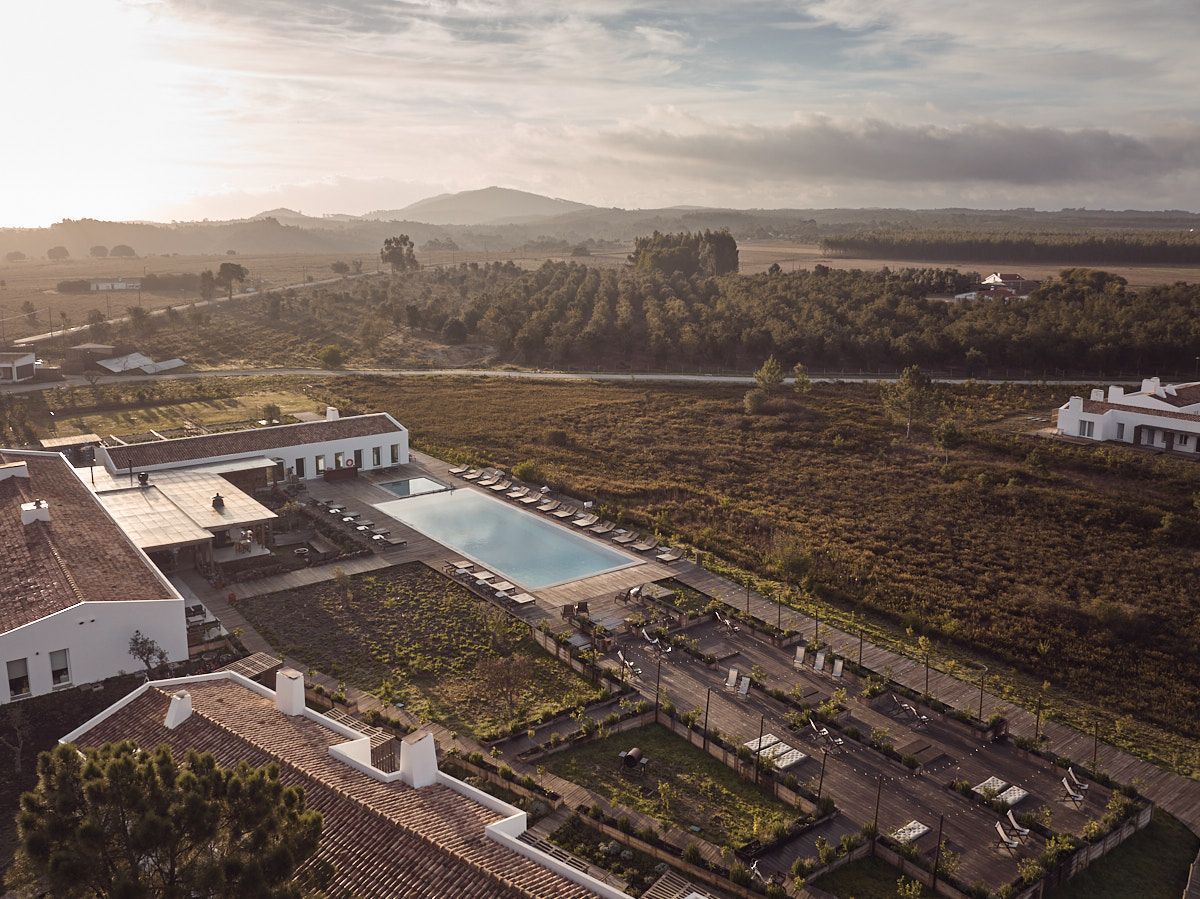
Aerial view of a villa with a pool, gardens, and vineyards in a sunny, green landscape.

SIX SENSES DOURO VALLEY

Nestled in the enchanting Douro Valley, a UNESCO World Heritage Site renowned for its stunning landscapes and vineyard-covered hills.

FIND OUT MORE
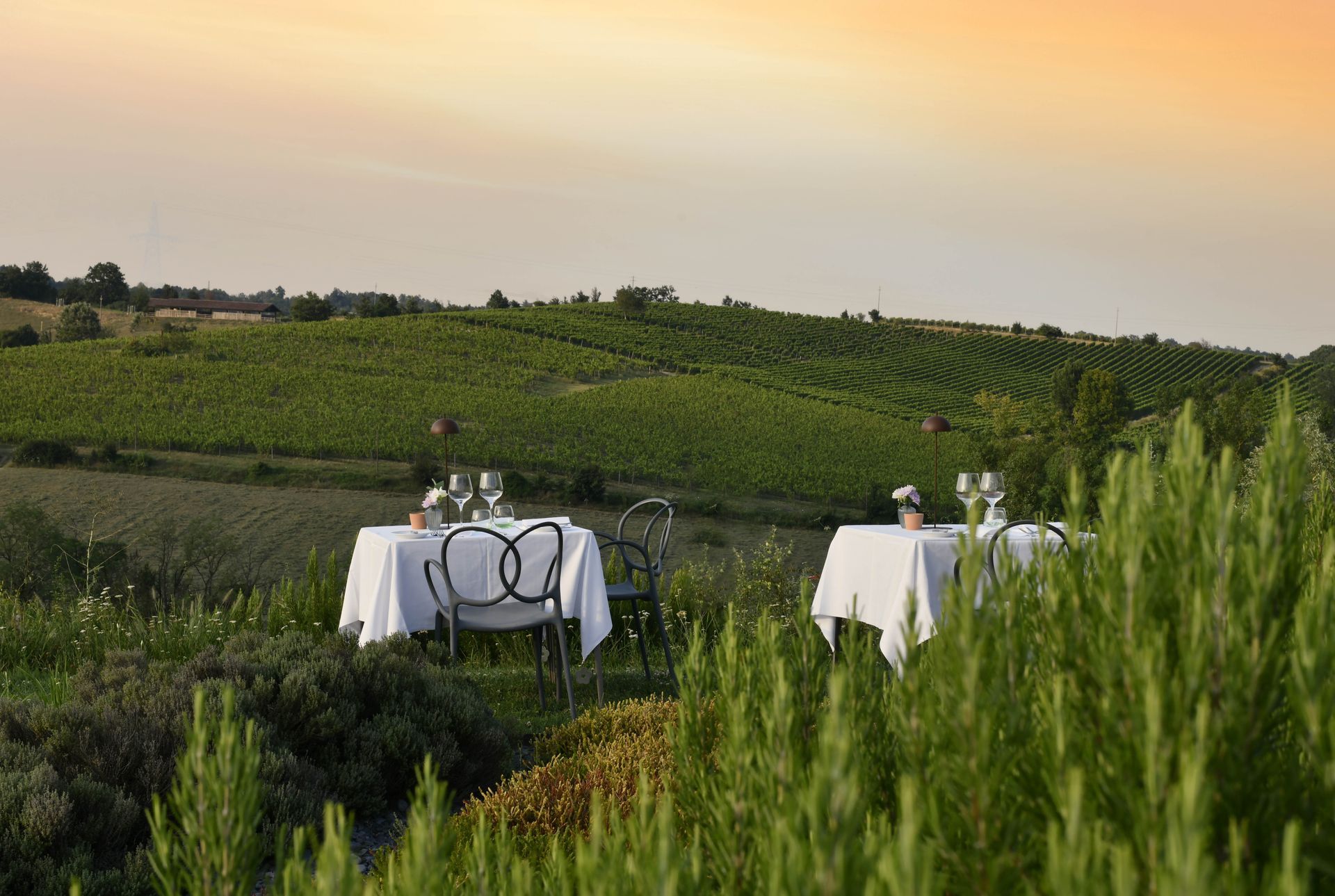
Aerial view of a white resort with a pool, surrounded by vineyards and trees, in a rural landscape.

CRAVEIRAL FARMHOUSE

A tranquil retreat where rustic charm and modern comfort come together, inviting guests to slow down, savour the moment, and feel at home in nature.

FIND OUT MORE

SIX SENSES DOURO VALLEY

Nestled in the enchanting Douro Valley, a UNESCO World Heritage Site renowned for its stunning landscapes and vineyard-covered hills.

FIND OUT MORE

Where travel meets purpose

PORTUGAL Quick Guide

A black and white icon of two speech bubbles with chinese characters on them.

Portugese

A black and white drawing of a dollar , euro , and pound coins.

Euro (EUR)

A black and white drawing of a phone on a white background.

Code +351

A black and white globe with a clock inside of it.

UTC/GMT

0/+1Hours

A black and white icon of a plug with a lightning bolt on it.

Type C/F (230 Volt, 50 Hz)

A black and white drawing of an airplane and a clock.

2-4 Hours

from the UK

TRAVEL ETIQUETTE

Respect Thailand’s Local Culture and Traditions

  • Dressing Respectfully

    A woman is standing in front of a statue holding a flower.

    When visiting temples or rural areas in Thailand, wear modest attire. Ensure your shoulders and knees are covered to show respect for local customs and traditions.

  • Temple Etiquette

    A white building with a red roof is surrounded by trees and bushes
    • Remove your shoes before entering temples.
    • Keep your head lower than Buddha statues.
    • Avoid pointing your feet towards Buddha statues.
  • Cultural Greetings

    A man in a yellow shirt is standing in front of a building with his hands folded.
    • Embrace the traditional Thai greeting, the wai, by placing your hands together in a prayer-like gesture and bowing slightly, especially when greeting elders and monks.
    • Reserve the wai for hands-free moments when handling street food or settling bills; opt for a friendly nod or bow instead.
  • Proper Use of Hands

    A woman is standing in front of a food stand holding a drink.
    • Use your right hand for passing items and financial transactions.
    • Keep your left hand discreetly in the background
    • Avoid Pointing: Summon someone with a friendly wave and palm facing up instead of pointing.
    • Respect Feet: Keep your feet grounded and avoid pointing them at people or religious objects
    • Sacred Heads: Treat heads as sacred and avoid touching others' heads.
    • Respect Monks: Show appreciation for monks from a distance and avoid physical contact.
    • Thai Smile: Use the Thai smile as a universal key to making friends and connecting with locals.

Being Environmental Responsible in Thailand

  • Luxury Without Plastic

    A sign for a restaurant is surrounded by umbrellas hanging from the ceiling.

    Carry a reusable,  water bottle and refuse single-use plastics. Most Luxury hotels now offer water refill stations.

  • Ethical Wildlife Experiences

    A man and woman are riding on the back of an elephant.

    Choose private experiences that prioritise animal welfare, such as visits to ethical sanctuaries and conservation programs over elephant riding or tiger temples.

  • Leave No Trace

    A person is standing on a wooden bridge in the jungle.

    Whether hiking in the mountains or lounging on the beach, ensure that all waste is responsibly disposed of and leave the natural surroundings untouched.

Supporting Thailand’s Local Communities

  • Invest in Local Artisans

    A woman is standing in a crowded market and smiling.

    Purchase quality, locally-made products from artisans and markets. This supports the economy and preserves traditional crafts.

  • Gourmet Local Dining

    A pot of soup is sitting on a wooden table.

    Savour meals at locally-owned restaurants that offer authentic Thai cuisine with a modern twist, supporting local chefs and farmers.

  • Luxury Eco-Lodging

    A house is sitting on a small island in the middle of a lake surrounded by trees.

    Choose accommodations that combine luxury with sustainability, such as boutique hotels and resorts that prioritise local ownership, a circular economy and environmental responsibility.

Transportation Choices around Thailand

  • Eco-Luxury Transport

    A man in a uniform is standing at a train station

    Opt for sustainable transport options such as train travel and hybrid or electric luxury cars provided by recognised hoteliers or reputable Destination Management Companies (DMCs) or Ground Handlers.

  • Exclusive Bicycle Tours

    A blue bicycle with a basket is parked in front of a white wall

    In cities like Chiang Mai, enjoy exclusive guided bicycle tours that allow you to explore while minimising your carbon footprint.

Thailand’s Wildlife and Nature Conservation 

  • Marine Conservation

    A sea turtle is swimming in the ocean with the sun shining through the water.

    When enjoying diving or snorkeling experiences, avoid touching coral reefs and marine animals. Use quality reef-safe sunscreen to protect the underwater ecosystem.

  • Collaborative Clean-Up Events

    A building with a sign that says jasmine on it

    Participate in clean-up efforts, often organised by NGOs or luxury resorts, to help maintain beaches, forests, and other natural areas.

  • Adhere to Park Regulation

    A monkey standing on top of a stone pillar

    Follow rules and guidelines in national parks to minimise your impact on wildlife and their habitats, ensuring that these pristine environments remain unspoiled.

Luxury travel in Thailand can be both bountiful and responsible. By practicing sustainable travel etiquette, you can enjoy the country's beauty while making a positive impact on its environment, culture, and local communities. Travel mindfully, ensuring that Thailand remains a breathtaking and welcoming destination for generations to come.

responsible TRAVEL ETIQUETTE for PORTUGAL

Portugal’s charm lies in its vibrant cities, historical towns, and stunning coastlines. Practicing responsible travel ensures that this beauty is preserved for future generations while fostering meaningful connections with locals.

Respecting Portugal’s Local Culture and Traditions

  • Dressing Respectfully

    When exploring religious sites like Jerónimos Monastery or São Jorge Castle, dress modestly, covering shoulders and knees.

  • Cultural Composure

    Portuguese society values politeness, patience, and a sense of community. 


    Understanding local customs will enrich your travel experience:


    Greetings: A handshake is common in formal settings, while a friendly nod or smile suffices in casual encounters.  Among friends and family, it’s common to exchange two kisses on the cheek, starting with the right cheek. Avoid over-familiarity with strangers.


    Politeness Counts: Saying “por favor” (please) and “obrigado/obrigada” (thank you, male/female) is expected. A simple greeting when entering a shop or restaurant—“Bom dia” (good morning) or “Boa tarde” (good afternoon)—is appreciated.


    Titles Matter: Using formal titles like “Senhor” (Mr.) or “Senhora” (Mrs./Ms.) shows respect, especially with elders or in professional settings.


  • Religious and Historical Sites

    Churches & Monasteries: Dress modestly—cover shoulders and knees. Remove hats inside.


    Photography: Ask permission before photographing people, especially during religious ceremonies.


    Silence & Reverence: Keep your voice low; avoid disruptive behaviour near sacred objects or altars.

Being Environmentally Responsible in Portugal

  • Life Without Plastic

    Carry a refillable water bottle— many hotels and cafes provide refill stations.

  • Wildlife and Nature

    Portugal’s national parks and protected landscapes are treasures of remarkable biodiversity, from the wild peaks of Peneda-Gerês to the dramatic Atlantic coastlines and island ecosystems of Madeira and the Azores. 


    Visitors are encouraged to stay on marked trails, respect wildlife by observing from a distance, and leave no trace—ensuring these pristine environments remain unspoiled for future generations.

  • Leave No Trace

    Respect natural parks such as Peneda-Gerês or Arrábida by following trails and disposing of waste responsibly.

Supporting Portugal's Local Communities

  • Invest in Local Artisans

    Portugal’s arts and crafts are a living expression of its history and regional identity, where centuries-old techniques, natural materials, and skilled craftsmanship come together to tell the story of the country’s cultural soul.


    • Azulejos: Iconic hand-painted tiles decorating churches, palaces, and homes


    • Cork Products: From bags to décor, Portugal is the world leader in sustainable cork craft


    • Ceramics & Pottery: Villages like Alcobaça and Caldas da Rainha showcase centuries of skilled craftsmanship


    • Textiles & Embroidery: Traditional linens, lace, and embroidery highlight regional heritage


    • Guitars & Fado Instruments: The classical Portuguese guitar is central to Fado performances


  • Local Dining

    Dining authentically in Portugal is about embracing local flavours and traditions, from lingering over a leisurely almoço in a family-run tasca to enjoying freshly grilled seafood by the coast. 


    Seek out neighbourhood restaurants, seasonal menus, and regional wines to experience Portuguese cuisine at its most genuine and heartfelt.

  • Authentic Lodging

    Choosing independent  eco-friendly hotels and guesthouses that prioritise renewable energy, water conservation, and sustainable practices further contributes to preserving Portugal’s natural beauty and cultural heritage for future generations.

Transportation Choices around Portugal

  • Transport

    Getting around Portugal is easy and rewarding, thanks to its efficient rail network, reliable buses, and walkable historic centres. 


    Trains connect major cities and regions, while trams, metro systems, cycling, and walking allow travellers to explore towns at a slower pace and with a lighter environmental footprint.

  • Cycling and Walking Tours

    Walking and cycling tours offer an intimate way to experience Portugal, allowing you to explore historic neighbourhoods, coastal paths, vineyards, and countryside landscapes at a relaxed pace. 


    Guided tours also provide local insight and stories you might otherwise miss, all while reducing your environmental impact and deepening your connection to place.

Portugal’s Wildlife and Nature Conservation 

  • Protected Parks

    Portugal’s protected parks and natural reserves safeguard stunning landscapes and diverse wildlife, from the mountains of Peneda-Gerês to the volcanic wonders of the Azores. 


    Visitors are encouraged to follow trails, respect habitats, and observe animals from a distance, ensuring these ecosystems remain vibrant for generations to come.

  • Marine Life

    Along Portugal’s coasts, marine life flourishes in carefully protected areas. 


    When snorkelling or boating, avoid disturbing wildlife and use reef-safe practices to help preserve fragile underwater ecosystems, from dolphins and seabirds to vibrant reefs.

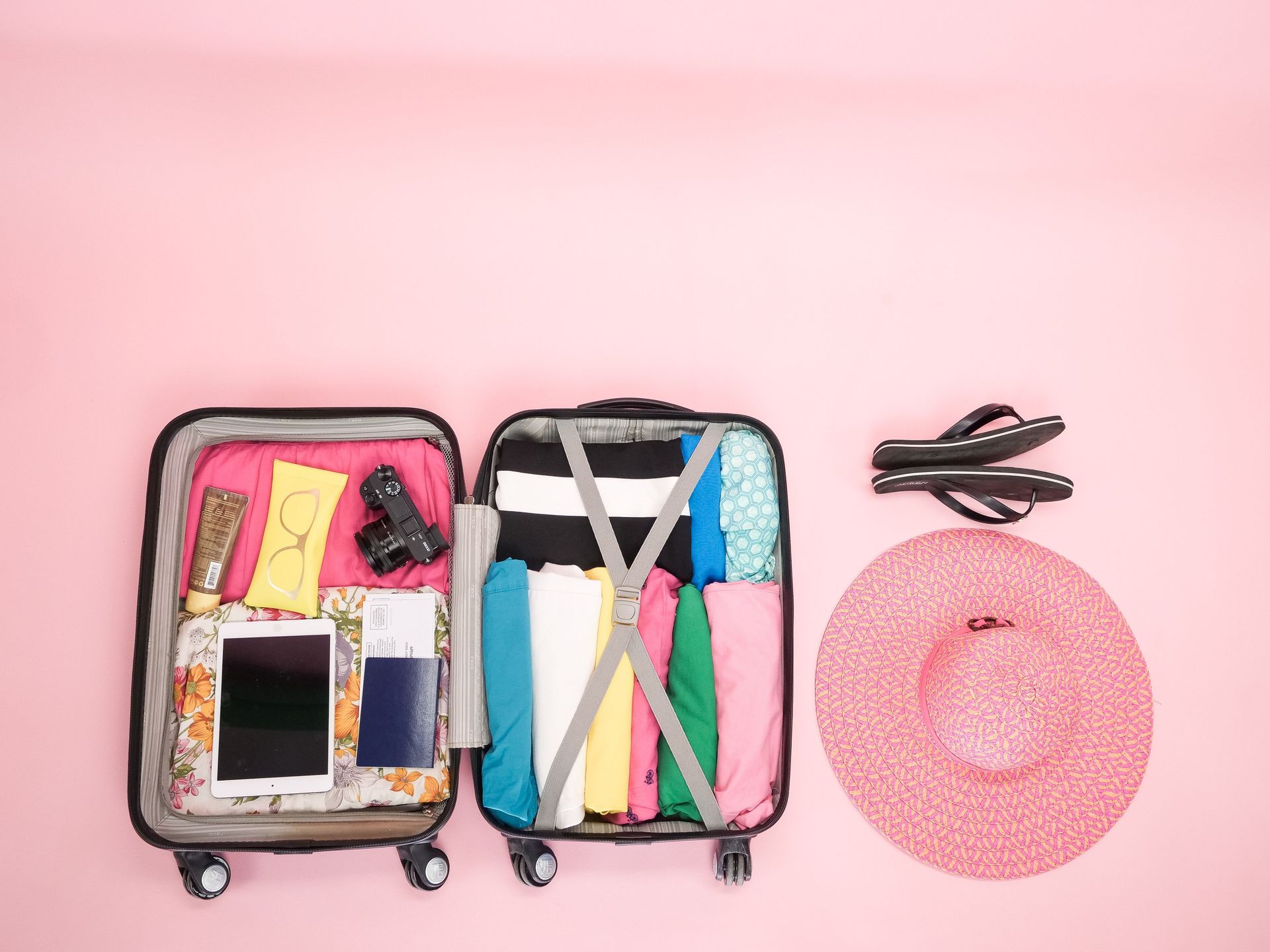
Ultimate Packing Guide foR PORTugal

Portugal’s diverse regions—from Lisbon’s bustling streets to the Algarve’s beaches, and from Douro Valley vineyards to the Azores’ volcanic landscapes—demand versatile packing. 

General Packing Tips for Portugal

  • General Packing Tips for Portugal

    Climate Considerations:


    North (Porto, Douro Valley): Cool, rainy winters and warm summers. A light jacket is needed in winter.


    Central (Lisbon, Coimbra, Sintra): Mild winters and hot summers; bring layers for cooler evenings.


    South (Algarve): Mediterranean climate with hot, dry summers; breathable clothing is essential.


    Azores & Madeira: Oceanic climate with unpredictable rain; pack a waterproof jacket.


  • Best Footwear for Portugal

    Footwear should balance style, comfort, and functionality. 


    Pack comfortable walking shoes that are suitable for navigating Portugal’s cobbled streets. 


    Bring a pair of sandals for relaxing in beach towns or for casual city exploration. 


    If you plan to hike in the Douro Valley, the Azores, or other natural areas, sturdy hiking shoes with good grip are essential.

  • Essential Packing Items for Portugal

    Backpack: A small daypack for mountain hikes or museum visits.


    Sunglasses and Sunscreen: High altitudes intensify UV rays.


    Travel Adapter: Type C/F plugs (230V, 50Hz.  A universal adapter works best.


    Reusable Utensils & Bottle: Lightweight and practical for sustainable travel.


  • Sustainable Packing Tips for Portugal

    Choose Eco-Friendly Clothing:


    Pack lightweight, durable, and breathable fabrics like organic cotton, hemp, or recycled polyester.


    Reusable Essentials:


    Carry reusable shopping bags for souvenirs or groceries.


    Pack reusable utensils and travel mugs for picnics or coffee stops.


    Minimise Single-Use Plastics:


    Avoid disposable packaging when hiking or in city cafés.


    Choose refillable toiletries and eco-friendly personal care items.


    Solid shampoo and conditioner bars reduce plastic waste.


    Pack Efficiently: Travel with a lightweight, durable backpack and compact luggage to reduce transport emissions.


    Prioritise versatile clothing that can be layered, mixed, and matched.


PORTUGAL’s Culture

Portugal’s culture is a mosaic of maritime history, folklore, music, and gastronomy. Traditional Fado music evokes soulful nostalgia, while azulejo tiles, historic architecture, and local festivals showcase the country’s artistry.

Portugal’s Festivals

Portugal’s festivals are lively celebrations that bring history, faith, and local traditions to life. Through music, dance, cuisine, and rituals, these events showcase a culture that is warm, vibrant, and deeply connected to community and heritage.


Here are five Portugal festivals to experience:

  • Carnival (Carnaval)

    When: February/March


    Where: Nationwide


    About:  Carnival is Portugal’s exuberant pre-Lent celebration, with cities like Torres Vedras, Loulé, and Madeira bursting to life with parades, elaborate costumes, and infectious music. 


    Streets fill with dancers, floats, and masquerade balls, while locals and visitors join in playful revelry.


    It’s a time of creativity, colour, and joyous chaos that transforms towns into a lively spectacle of culture and community.


  • Festa de São João

    When: June


    Where: Porto


    About:  Festa de São João is one of Portugal’s most beloved summer festivals.


    The city comes alive with fireworks, music, and dancing through the streets. A quirky local tradition sees revelers gently hitting friends and strangers with plastic hammers, while releasing illuminated balloons and enjoying grilled sardines and traditional snacks. 


    The festival blends fun, folklore, and a sense of communal celebration that lights up the night.


  • Festa dos Tabuleiros

    When: July


    Where: Caldas da Rainha


    About:  Festival of the Trays, is a breathtaking procession celebrating harvests, community, and devotion. 


    Locals carry intricately decorated trays of bread, flowers, and symbolic items on their heads, parading through the streets of Caldas da Rainha in vibrant traditional dress. 


    The festival is a striking visual display of craftsmanship, regional pride, and centuries-old rituals that honour fertility, abundance, and unity.


  • Fátima Pilgrimage

    When: May/October


    Where: Cova da Iria, Fátima, Beira Litoral


    About: The Fátima Pilgrimage draws thousands of pilgrims and visitors to the Sanctuary of Fátima, one of Europe’s most revered religious sites. 


    Devotees travel by foot, car, or coach to participate in prayers, candlelight processions, and masses commemorating the Marian apparitions of 1917. 


    Beyond its spiritual significance, the pilgrimage is also a powerful expression of Portuguese faith, tradition, and communal devotion.


  • NOS Alive / Super Bock Super Rock

    When:  Summer


    Where: Coastal towns


    About: Against scenic backdrops of waterfronts or beaches, festival-goers enjoy live performances across multiple stages, creating a vibrant atmosphere that celebrates contemporary culture, creativity, and Portugal’s thriving music scene.


More about Portugal's Culture

  • Portugal’s Arts and Crafts

    Portugal’s arts and crafts are a vibrant reflection of the country’s history and regional identity, blending centuries-old techniques with local materials and creativity. 


    From the intricate patterns of azulejo tiles and delicate handwoven textiles to cork products, ceramics, and traditional embroidery, each piece tells a story of heritage, skill, and artistic passion.

PORTUGAL’s Food

Portugal’s cuisine is a true feast for the senses, where every meal tells a story of tradition, region, and passion.


The country is famed for bacalhau, salted cod prepared in hundreds of inventive ways that reflect local flavours and family recipes. Sweet treats like pastéis de nata, creamy custard tarts best enjoyed with a strong espresso, offer a perfect moment of indulgence.


In Porto, the francesinha, a decadent sandwich layered with meats, cheese, and rich sauce, delights the adventurous palate. Along the coast, the seafood is simply unmatched—grilled sardines, tender octopus rice, and fresh catches of the day celebrate Portugal’s maritime heritage.


No culinary journey is complete without sampling the country’s renowned wines, from the elegant vintages of the Douro Valley to the iconic fortified Port of Porto, each sip connecting you to centuries of viticultural tradition.

PORTUGAL's Weather

Portugal enjoys a varied and inviting climate throughout the year.


Winter, from November to March, is mild along the southern coast but cool and wet in the northern regions, offering a peaceful, off-season charm.


Spring brings blooming landscapes and pleasantly warm temperatures, making it an ideal time for sightseeing and exploring gardens and countryside.


Summer, from June to August, is hot and dry, perfect for long days on the golden beaches of the Algarve or coastal adventures.


In autumn, the country comes alive with harvest season in the vineyards, creating a rich experience for wine lovers and cultural explorers, as the landscapes turn golden and festivals celebrate the bounty of the season.
  • Which major airlines fly to Portugal internationally?

    Portugal is well-connected to the world. Major international carriers include:


    TAP Air Portugal (flag carrier, direct flights from North America, Europe, Africa, and South America)


    Lufthansa, British Airways, Air France, KLM, and Iberia (connecting flights from Europe)


    United Airlines, Delta, and American Airlines (direct flights from select U.S. cities)


  • What domestic airlines operate within Portugal?

    Domestic flights are limited as the country is compact, but options include:


    • TAP Air Portugal (domestic and regional routes)

    • EasyJet (budget options for domestic and nearby European cities)

  • What are the main international airports in Portugal?

    • Lisbon Airport (LIS): Main gateway for international and domestic flights


    • Porto Airport (OPO): Northern hub for international travellers


    • Faro Airport (FAO): Serves the Algarve region, especially in summer


    • Madeira Airport (FNC) & Ponta Delgada Airport (PDL): For island travel


  • How can I enter Portugal by land?

    Portugal shares a border with Spain, making land entry by car, bus, or train simple and scenic. 

  • Are ATMs readily available in Portugal?

    ATMs are widely available in cities, towns, and airports. 


    Major banks accept international cards, and credit/debit cards are widely used.

  • What health precautions should I take before traveling to Portugal?

    No mandatory vaccinations for most travellers


    Recommended: routine vaccines (MMR, tetanus, diphtheria, polio)


  • What languages are spoken in Portugal?

    Portuguese is the official language


    English is widely spoken in tourist areas; Spanish and French are also common


  • What currency is used in Portugal?

    Euro (€) – Portugal is part of the Eurozone. 


    Credit/debit cards are widely accepted, but cash is useful for smaller shops and islands.


  • Do I need a visa to enter Portugal?

    Citizens of the EU/EEA and many other countries (including the U.S., Canada, Australia) do not require a visa for short stays up to 90 days


    Check the Schengen visa requirements if you are from a country that requires a visa


  • What are the tipping guidelines for Portugal?

    • Restaurants: 5–10% is customary if service is not included

    • Cafés/bars: rounding up the bill is common

    • Taxis: rounding up or adding 5–10% for longer trips

    • Hotels: small tips for porters and housekeeping are appreciated but not mandatory


Frequently Asked Questions for PORTUGAL

Inspirational Blog Posts you might like 

Monopoly Green house stands out among scattered red houses.
By Kelly Forbes November 21, 2025
Uncover the hidden world behind luxury hotels: ownership structures, management contracts, and the importance of sustainable and restoration-focused travel.
By Kelly Forbes August 22, 2025
Discover how overtourism and housing pressures are driving global crack downs. Learn what regulations mean for travellers, locals, and the future of city stays.
Cinque Terre fishing village by sunset
By Kelly Forbes August 11, 2025
Discover how to explore Cinque Terre by train, foot and ferry. Hike scenic trails, avoid the crowds, and dine smart with this ultimate travel guide.

JOIN OUR NEWSLETTER

Experience the world of sustainable luxury travel with us by subscribing to our newsletter ‘The Circular’.

Let A’ARU Collective be your trusted companions on a journey that is both enriching and captivating

No spam. We respect your privacy.