DESTINATION

MAURITIUS: A Journey of Restoration and Discovery

A Slower, More Layered Indian Ocean Escape

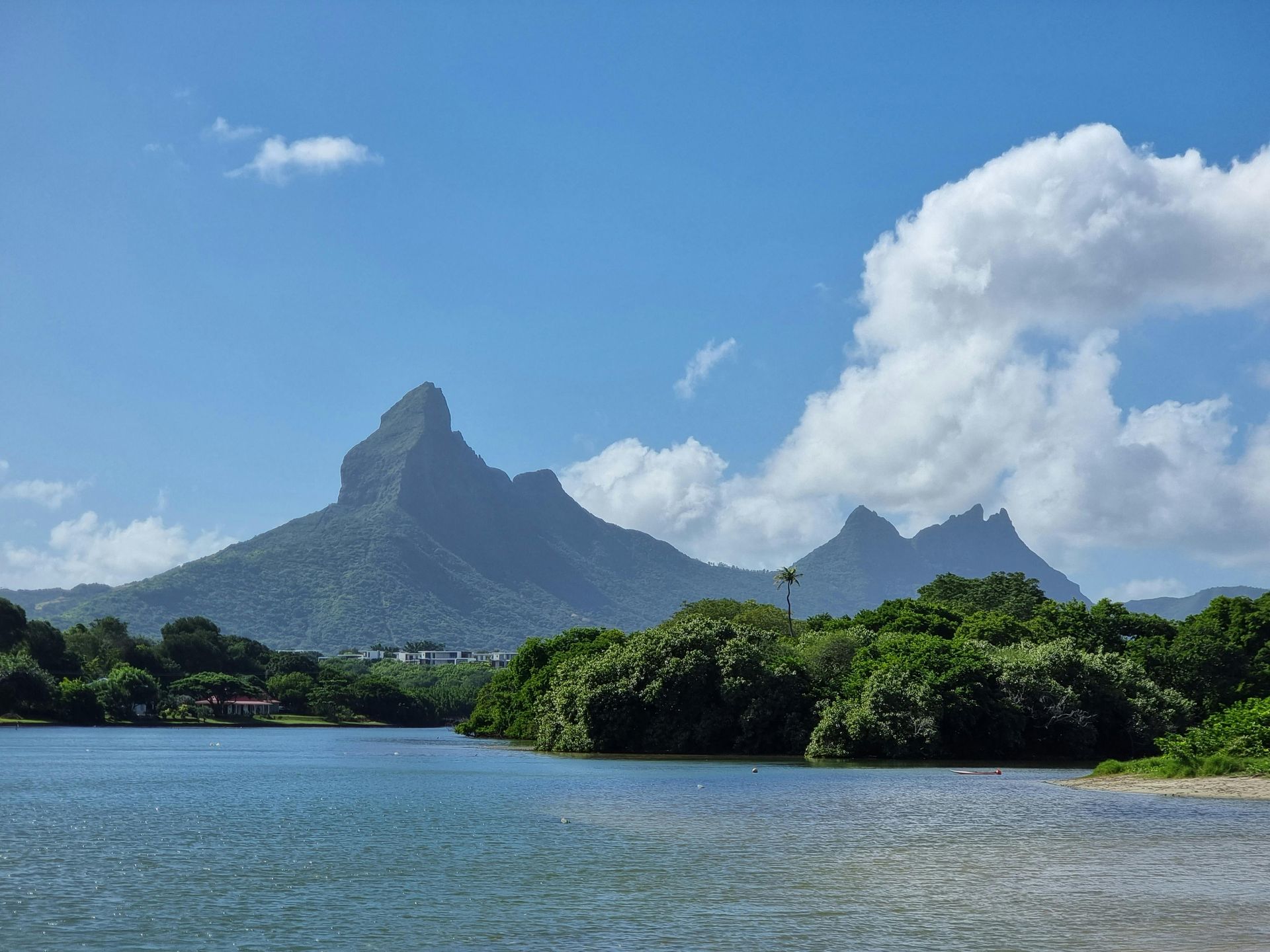
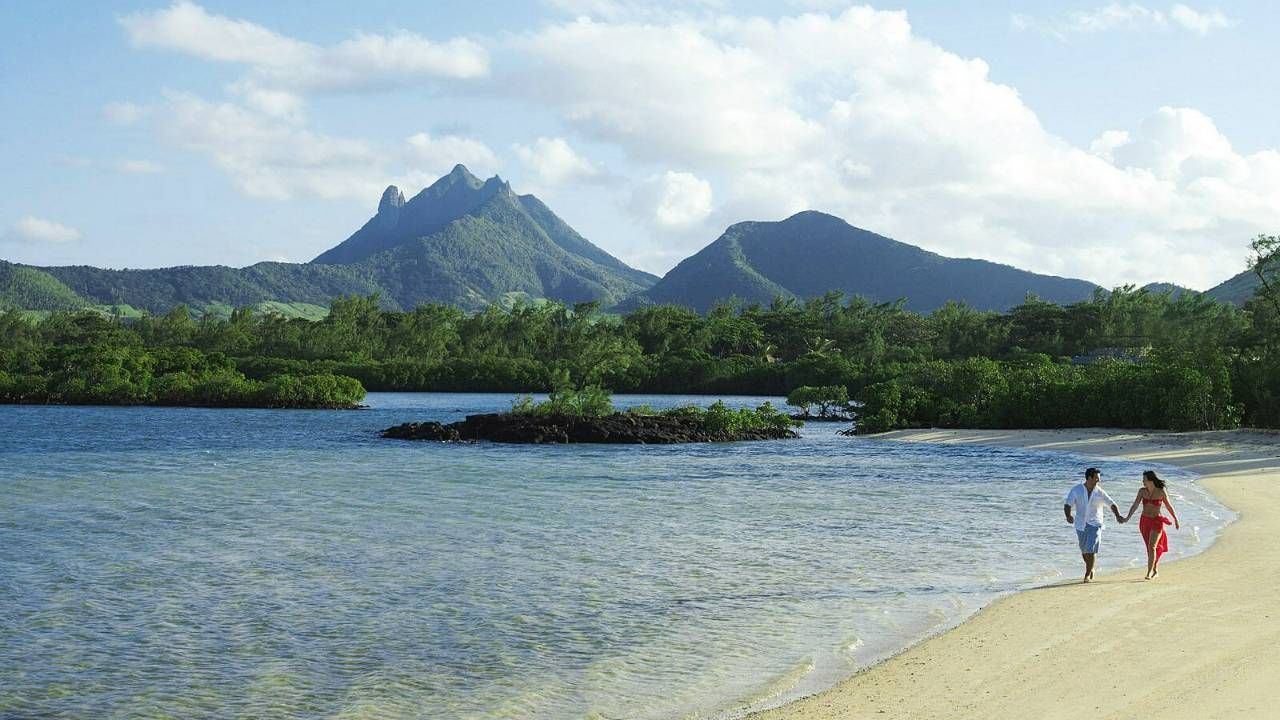
Mauritius reveals itself with quiet complexity. Beyond the polished resorts and familiar lagoons lies an island defined by volcanic highlands, a rich Creole heritage, and a burgeoning movement toward regenerative travel. Across twenty-five years of observation, a clear evolution has emerged: a transition from the traditional resort model toward a rhythm that invites travellers to move more intentionally through the landscape.


At A’ARU Collective, Mauritius is curated for those seeking more than a coastal retreat. We design itineraries that balance the "barefoot luxury" of the shoreline with the raw, conservation-led pulse of the interior. It is an island that rewards the curious, offering a rare equilibrium between geographical diversity and cultural depth.

Handpicked Sustainable Luxury Hotels in mauritius

Every property in our Mauritian collection has been carefully selected not only for its design and setting, but for its commitment to sustainability, local engagement and responsible hospitality. We only work with hotels that align with our values, ensuring that every stay contributes positively to its environment and community.
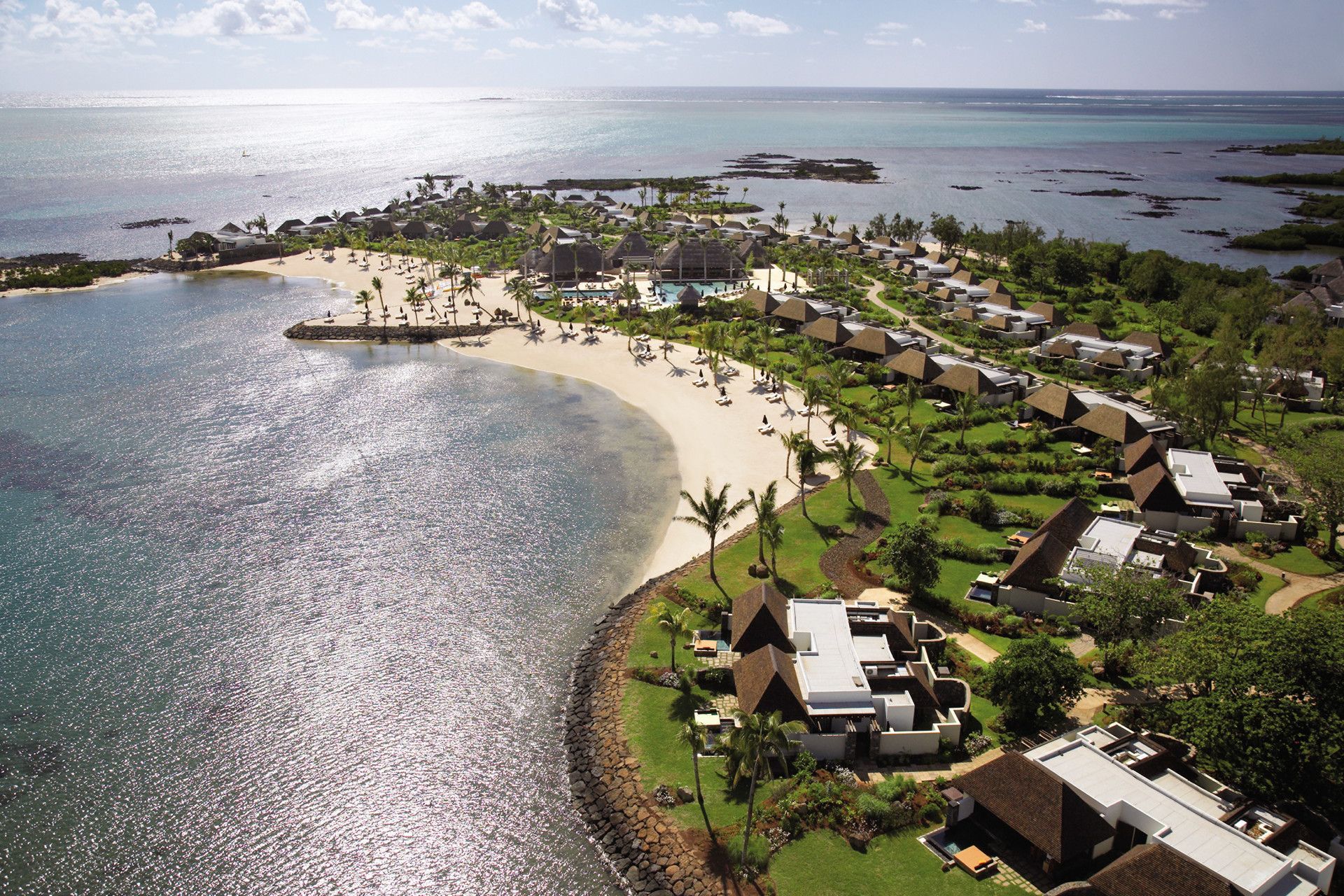
Aerial view of a Four Seasons at Anahita Mauritius  with villas, palm trees, and turquoise water across a curved shoreline

FOUR SEASONS AT ANAHITA

A sophisticated sanctuary for conscious families that leverages its significant scale to pioneer professionalised marine conservation and mangrove restoration.

EXPLORE CONSCIOUS FAMILY LUXURY
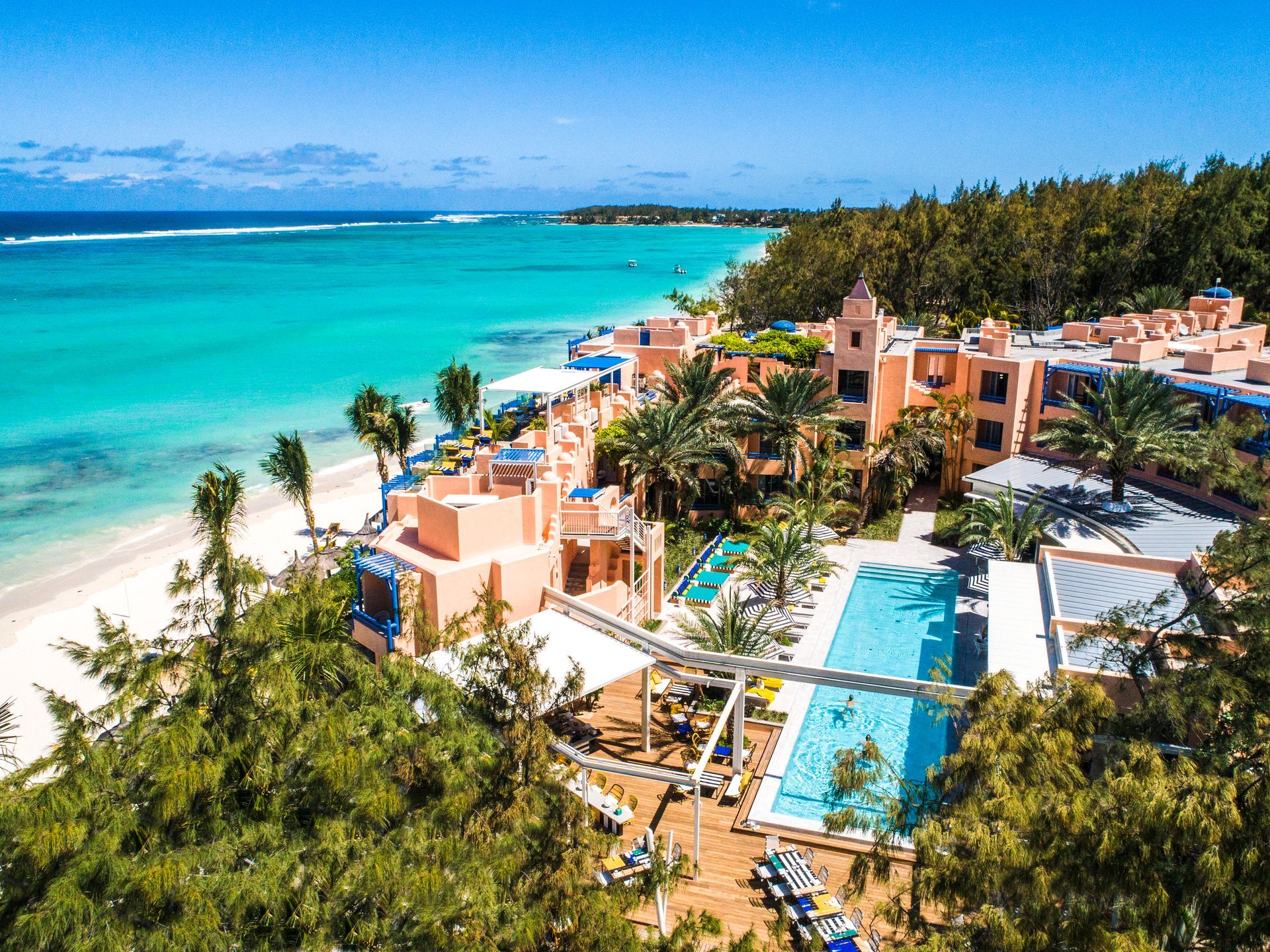
Tropical beachfront of Salt of Palmar  with turquoise ocean, palm trees, and a pool beside sandy shore

SALT OF PALMAR

A vibrant departure from the traditional resort model that prioritises radical localism and meaningful cultural exchange through its unique "Skill Swap" programme.

EXPERIENCE RADICAL LOCALISM

FOUR SEASONS AT ANAHITA

A sophisticated sanctuary for conscious families that leverages its significant scale to pioneer professionalised marine conservation and mangrove restoration.

EXPLORE CONSCIOUS FAMILY LUXURY

From the Journal: A Deeper Look at Mauritius
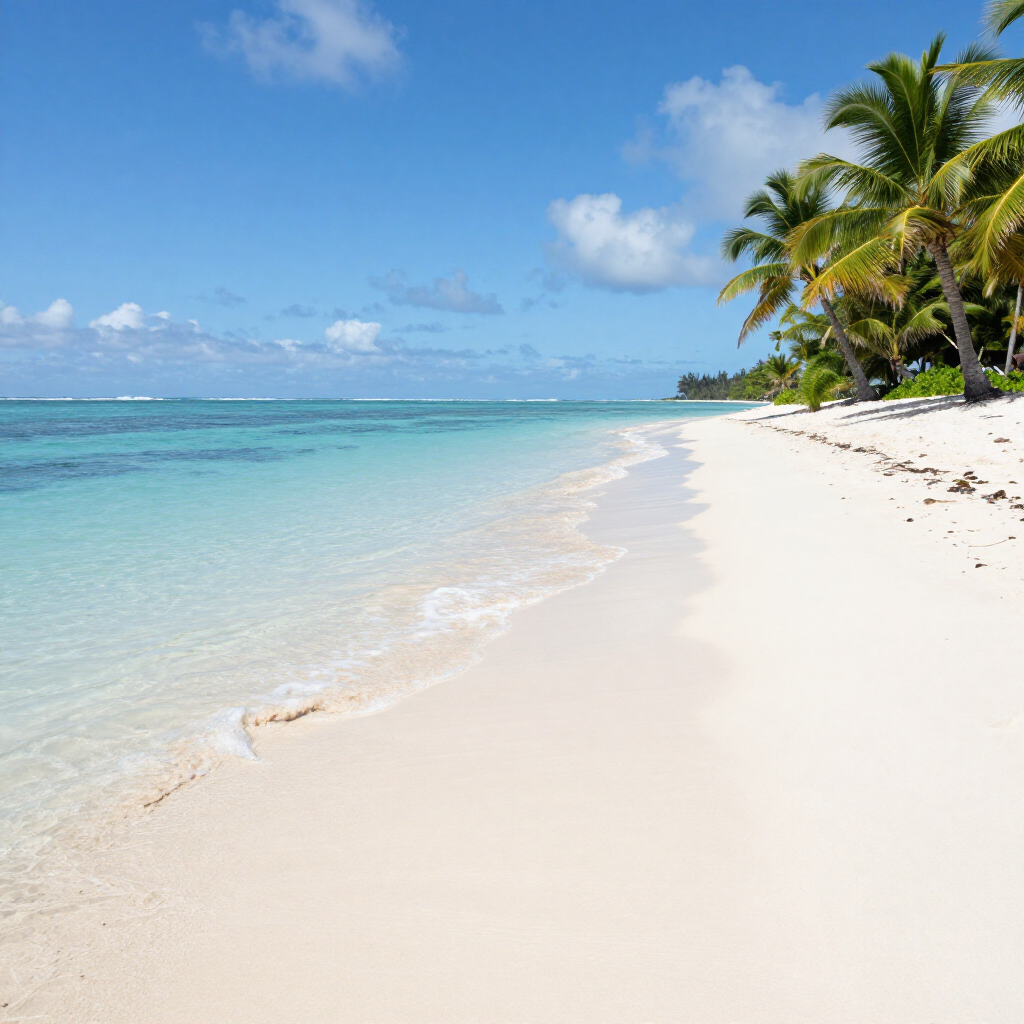
Is Mauritius the Right Choice for Your Journey?

Mauritius is a versatile destination, yet it serves specific travel philosophies best. It is ideal for those who value the ocean but choose not to remain stationary.

Mauritius  is particularly well-suited to:

  • Couples: Seeking a sophisticated blend of adventure and seclusion.


  • Conscious Families: Looking for seamless logistics without sacrificing design or environmental integrity.


  • Wellness Seekers: Those pursuing a "nature-reset" through movement and forest immersion.


  • Multi-Generational Groups: Where varied interests—from history to water sports—must be met with equal quality.


  • Safari & Beach Combinations: Providing a lush, tropical counterpoint to the ruggedness of Southern or Eastern Africa.


Mauritius may be less suited to:

  • Castaway Isolation: Those seeking the "one island, one resort" total seclusion of the Maldives.


  • High-Energy Nightlife: Travellers prioritising a robust late-night social scene over daytime exploration.


The Mauritius Landscape: A Regional Guide to Place and Pace

The choice of coastline in Mauritius dictates the character of the journey. Understanding these nuances is essential for a well-paced, "Slow Travel" experience.


The South: Raw & Regenerative

The South is the island's most authentic frontier. Wilder and less developed, it is characterised by basalt cliffs and the UNESCO Biosphere reserves.


  • The Perspective: This is where Mauritius feels most grounded. It is the epicentre of endemic forest restoration and "Slow" luxury.
  • Ideal for: Hiking, wellness, and those seeking to escape the standard tourist circuit.


The West: Adventurous & Sun-Drenched

Sheltered from the trade winds, the West Coast offers a consistent climate and a more local, "African" pulse.


  • The Perspective: The gateway to the Black River Gorges and ethical marine encounters.
  • Ideal for: Sunset-focused stays, families, and active water-based exploration.


The East: Exclusive & Refined

The East is home to some of the island’s most expansive lagoons and established luxury estates.


  • The Perspective: While exposed to south-easterly breezes (particularly June–August), it offers a level of privacy and "wide-open" space that is unparalleled.
  • Ideal for: Honeymoons, kite-surfing, and high-end seclusion.


The North: Vibrant & Cultural

The social hub of the island, offering a high-touch connection to local boutiques and Mauritian life.


  • The Perspective: A livelier atmosphere with calm, shallow lagoons—perfect for first-time visitors wanting a sense of community.


Where travel meets purpose

Beyond the Shoreline

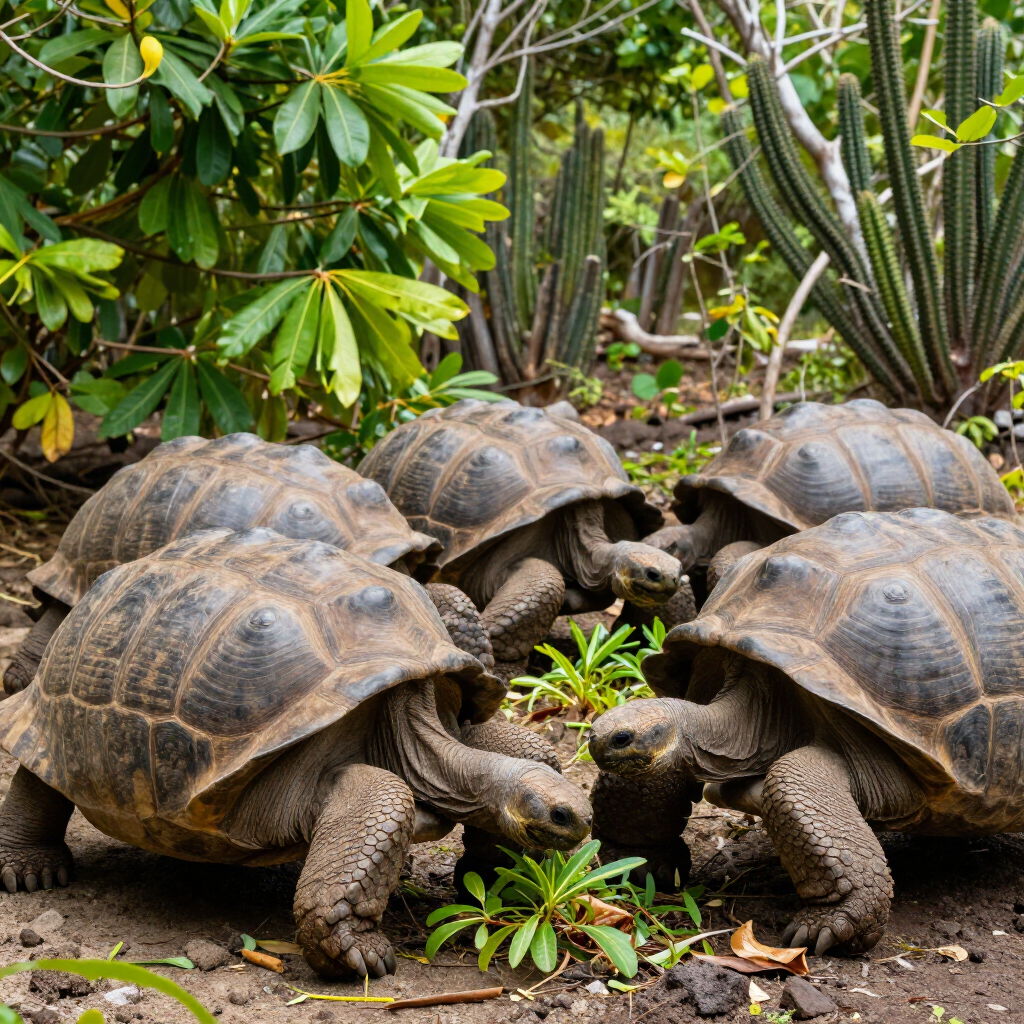
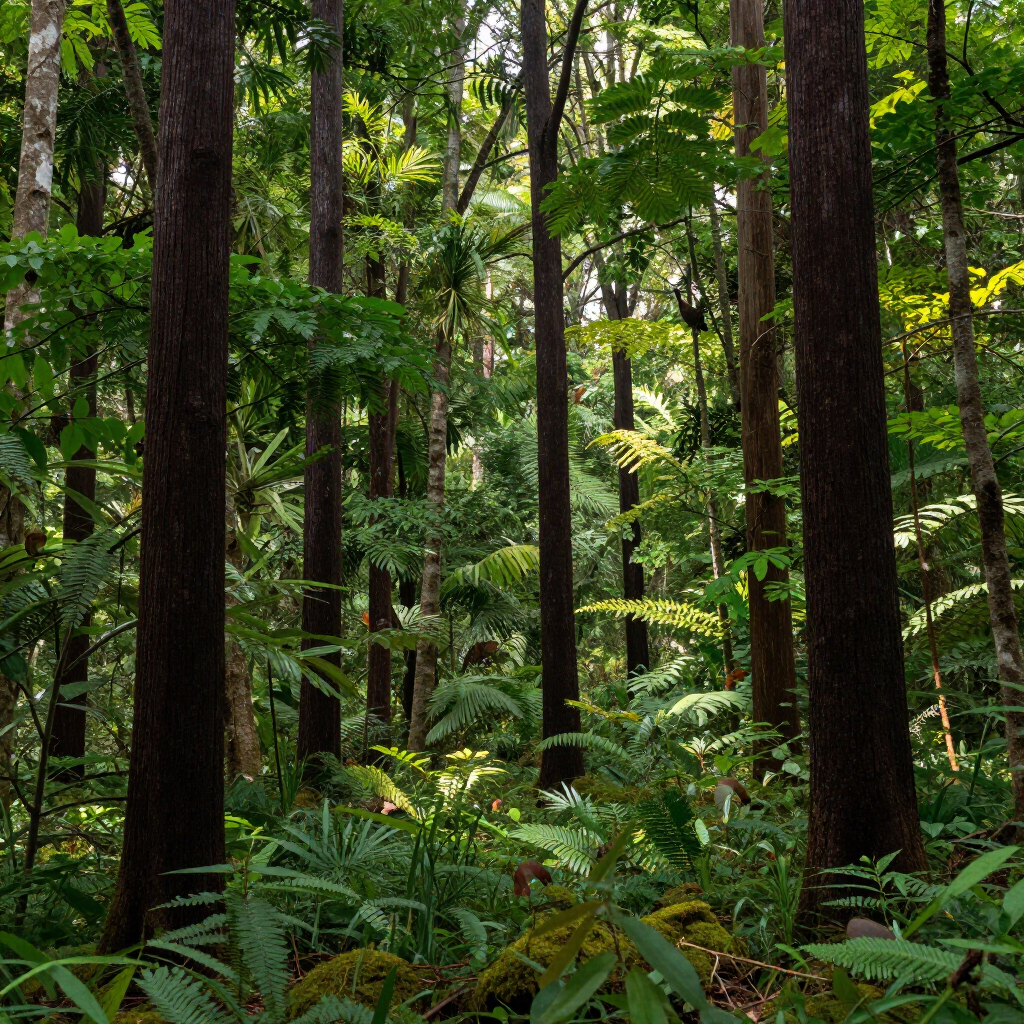
The Wildlife & Conservation Audit
MAURITIUS QUICK GUIDE

A black and white icon of two speech bubbles with chinese characters on them.

English

French and Mauritian Creole are widely spoken

A black and white drawing of a dollar , euro , and pound coins.

Mauritian Rupee (MUR)

A black and white drawing of a phone on a white background.

Code +230

A black and white globe with a clock inside of it.

UTC/GMT

+4/+5 Hours

A black and white icon of a plug with a lightning bolt on it.

Type G - 3Pin (230 Volt, 50 Hz)

A black and white drawing of an airplane and a clock.

11-12 Hours

from the UK

TRAVEL ETIQUETTE

Respect Thailand’s Local Culture and Traditions

  • Dressing Respectfully

    A woman is standing in front of a statue holding a flower.

    When visiting temples or rural areas in Thailand, wear modest attire. Ensure your shoulders and knees are covered to show respect for local customs and traditions.

  • Temple Etiquette

    A white building with a red roof is surrounded by trees and bushes
    • Remove your shoes before entering temples.
    • Keep your head lower than Buddha statues.
    • Avoid pointing your feet towards Buddha statues.
  • Cultural Greetings

    A man in a yellow shirt is standing in front of a building with his hands folded.
    • Embrace the traditional Thai greeting, the wai, by placing your hands together in a prayer-like gesture and bowing slightly, especially when greeting elders and monks.
    • Reserve the wai for hands-free moments when handling street food or settling bills; opt for a friendly nod or bow instead.
  • Proper Use of Hands

    A woman is standing in front of a food stand holding a drink.
    • Use your right hand for passing items and financial transactions.
    • Keep your left hand discreetly in the background
    • Avoid Pointing: Summon someone with a friendly wave and palm facing up instead of pointing.
    • Respect Feet: Keep your feet grounded and avoid pointing them at people or religious objects
    • Sacred Heads: Treat heads as sacred and avoid touching others' heads.
    • Respect Monks: Show appreciation for monks from a distance and avoid physical contact.
    • Thai Smile: Use the Thai smile as a universal key to making friends and connecting with locals.

Being Environmental Responsible in Thailand

  • Luxury Without Plastic

    A sign for a restaurant is surrounded by umbrellas hanging from the ceiling.

    Carry a reusable,  water bottle and refuse single-use plastics. Most Luxury hotels now offer water refill stations.

  • Ethical Wildlife Experiences

    A man and woman are riding on the back of an elephant.

    Choose private experiences that prioritise animal welfare, such as visits to ethical sanctuaries and conservation programs over elephant riding or tiger temples.

  • Leave No Trace

    A person is standing on a wooden bridge in the jungle.

    Whether hiking in the mountains or lounging on the beach, ensure that all waste is responsibly disposed of and leave the natural surroundings untouched.

Supporting Thailand’s Local Communities

  • Invest in Local Artisans

    A woman is standing in a crowded market and smiling.

    Purchase quality, locally-made products from artisans and markets. This supports the economy and preserves traditional crafts.

  • Gourmet Local Dining

    A pot of soup is sitting on a wooden table.

    Savour meals at locally-owned restaurants that offer authentic Thai cuisine with a modern twist, supporting local chefs and farmers.

  • Luxury Eco-Lodging

    A house is sitting on a small island in the middle of a lake surrounded by trees.

    Choose accommodations that combine luxury with sustainability, such as boutique hotels and resorts that prioritise local ownership, a circular economy and environmental responsibility.

Transportation Choices around Thailand

  • Eco-Luxury Transport

    A man in a uniform is standing at a train station

    Opt for sustainable transport options such as train travel and hybrid or electric luxury cars provided by recognised hoteliers or reputable Destination Management Companies (DMCs) or Ground Handlers.

  • Exclusive Bicycle Tours

    A blue bicycle with a basket is parked in front of a white wall

    In cities like Chiang Mai, enjoy exclusive guided bicycle tours that allow you to explore while minimising your carbon footprint.

Thailand’s Wildlife and Nature Conservation 

  • Marine Conservation

    A sea turtle is swimming in the ocean with the sun shining through the water.

    When enjoying diving or snorkeling experiences, avoid touching coral reefs and marine animals. Use quality reef-safe sunscreen to protect the underwater ecosystem.

  • Collaborative Clean-Up Events

    A building with a sign that says jasmine on it

    Participate in clean-up efforts, often organised by NGOs or luxury resorts, to help maintain beaches, forests, and other natural areas.

  • Adhere to Park Regulation

    A monkey standing on top of a stone pillar

    Follow rules and guidelines in national parks to minimise your impact on wildlife and their habitats, ensuring that these pristine environments remain unspoiled.

Luxury travel in Thailand can be both bountiful and responsible. By practicing sustainable travel etiquette, you can enjoy the country's beauty while making a positive impact on its environment, culture, and local communities. Travel mindfully, ensuring that Thailand remains a breathtaking and welcoming destination for generations to come.

PLANNING YOUR JOURNEY: FREQUENTLY ASKED QUESTIONS

  • Is Mauritius better than the Maldives for families?

    Mauritius and the Maldives offer very different luxury experiences. While the Maldives provides "one-island-one-resort" isolation, Mauritius offers geographical and cultural diversity. 


    For families who enjoy a more active, layered holiday—incorporating wildlife conservation, mountain hiking, and local market visits alongside time at the beach—Mauritius is often the more versatile choice.  


  • Which part of Mauritius is best for a quiet, secluded stay?

    For total seclusion and a "slow" pace, we recommend the South and South-East coasts. These regions are less developed and closer to the island’s primary nature reserves. Alternatively, the East Coast offers expansive, private estates set along quiet lagoons, though it is worth noting that this side of the island experiences stronger trade winds during the winter months (July and August). 

  • How do I ensure my dolphin encounter in Mauritius is ethical?

    Ethical marine tourism is a priority for any considered journey. We advise travellers to only book with operators who strictly adhere to passive observation protocols. 

    This means maintaining a respectful distance, never "chasing" the pods with the boat, and ensuring that resident Spinner and Bottlenose dolphins are not disrupted during their essential resting periods.

  • When is the best for a luxury holiday?

    Mauritius is a year-round destination, but the experience varies by season. For those seeking a balance of outdoor exploration and lagoon activities, the shoulder seasons (May to June and September to November) are ideal, offering lower humidity and temperate hiking conditions. The peak summer (December to April) is lush and tropical, though it is also the period with the highest rainfall. 

  • Is Mauritius a sustainable travel destination?

    While Mauritius has historically focused on high-volume tourism, it is currently undergoing a significant transition toward regenerative travel. 


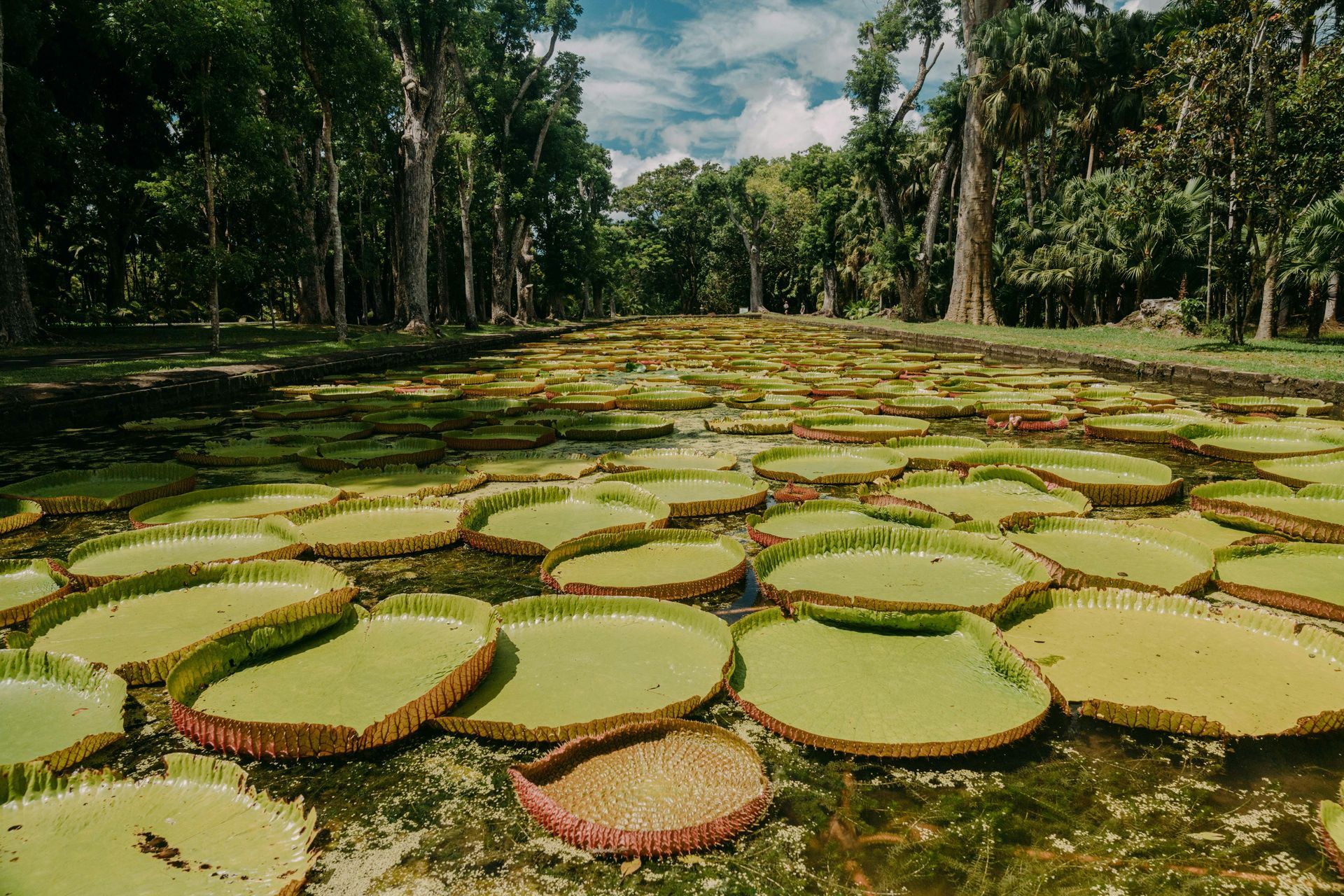
    The island is home to world-leading conservation projects, such as the restoration of the Ebony Forest and the protection of the UNESCO Man and the Biosphere reserves in the south. 


    For the conscious traveller, the key is to look beyond the "beach resort" label and prioritise properties and operators with verified circular waste systems and community-led initiatives.
Inspirational Blog Posts you might like 

Person painting under a white umbrella on a stone terrace with green trees in the background
By Kelly Forbes May 12, 2026
Discover the future of conscious travel. From the Douro Valley to the Albanian Riviera, explore our expert-curated luxury locations and slow travel trends for 2026.
Slow travel through under-the-radar destinations by A'ARU Collective
By Kelly Forbes May 12, 2026
Discover why slow travel is a psychological shift, not just a pace. Explore mindful travel planning and regenerative journeys with A’ARU Collective.
A snowy forest with a mountain in the background
By Kelly Forbes May 8, 2026
Explore how luxury travel can be eco-friendly. Join us for premium experiences that respect the planet and support local communities.

JOIN OUR NEWSLETTER

Experience the world of responsible luxury travel with us by subscribing to our newsletter The Circular.

Let A’ARU Collective be your trusted companions on a journey that is both enriching and captivating

No spam. We respect your privacy.