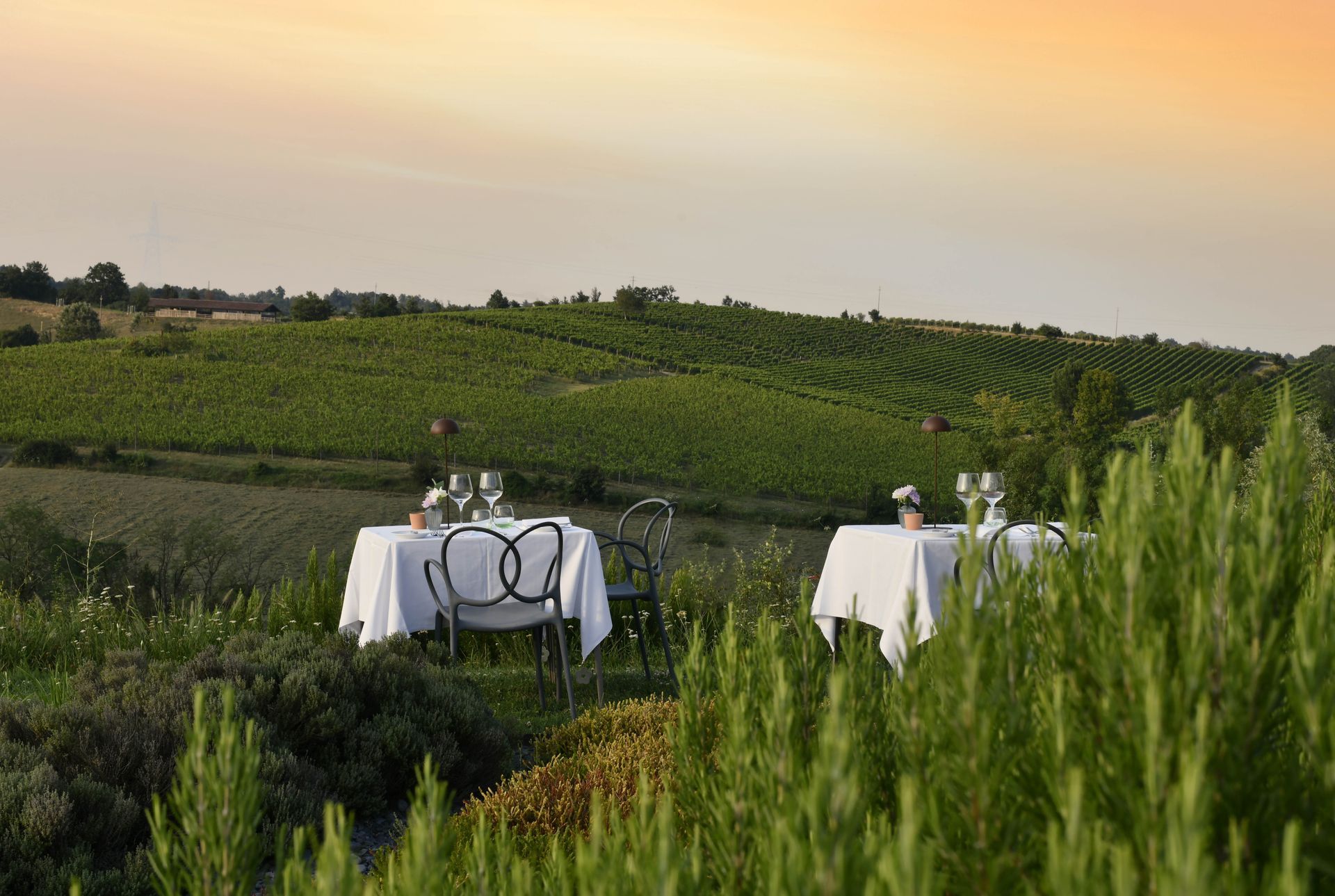
How To Travel More Eco Friendly in 2026
There is a subtle but profound shift happening in travel. It is not necessarily a change in where we choose to go, but in how we choose to move through the world. As we look at how to travel more eco-friendly in 2026, the focus has moved beyond simple footprint reduction toward a deeper sense of conscious travel—influencing our pace, our choices of place, and the quality of attention we give to each moment.
Ethical luxury travel sits firmly within this evolution. It is not a rigid category of behaviour, but a quieter, more intentional way of engaging with a destination.
These seven philosophies explore how travel in 2026 can become more connected, more responsible, and ultimately more enduring.
01 — Travel Slower, Stay Longer
The most transformative sustainable travel ideas always begin with time.
Choosing longer stays within a single region changes the rhythm of a journey entirely. Days begin to settle into natural patterns. Familiar routes emerge. A destination stops being merely observed from behind a glass and starts being truly lived.
Within a thoughtful travel practice, this slower approach concentrates our presence and deepens our connection. It allows low-impact luxury travel to move from an abstract concept to a lived experience, shaped by continuity rather than constant frantic movement.
02 — Choose Destinations Shaped by Care
Where you choose to journey plays a defining role in your footprint.
Some destinations are actively built around long-term conservation, ecological regeneration, and community-based tourism. In these spaces, tourism is integrated into existing ecological and cultural systems rather than layered aggressively on top of them.
Seeking out these under-the-radar alternatives is an incredibly meaningful decision. It aligns your journey with destinations and local partners who are already working tirelessly to protect and restore what makes their homeland distinct.
If you are looking to explore beyond Europe's traditional eco-resorts, you can discover how pioneering operators are redefining hospitality in arid landscapes in our curated guide to
eco-friendly luxury boutique hotels in the Middle East.
03 — Stay Somewhere That Gives Back
Accommodation has become one of the clearest expressions of how to travel more eco-friendly.
The most considered properties have moved past the basic checkboxes of sustainability; they now contribute directly to their locations through genuine regenerative design, renewable energy, local sourcing, and deep community investment.
Whether planning slow luxury travel with family or a solitary wellness retreat, choosing a stay that exists to fund conservation or support a social mission means your accommodation becomes an active, positive part of the ecosystem you are experiencing.
04 — Reimagine How You Move
How we cross distances is central to mindful travel planning.
Embracing rail journeys, regional ferries, or private electric transport allows landscapes to unfold gradually before you. Distance becomes visible and respected again. The act of transit becomes continuous and peaceful rather than fragmented and stressful.
How you move shapes your relationship to a place. It transforms the journey from a logistical gap between destinations into an integral part of the experience itself.
05 — Seek Experiences Rooted in Place
The most lasting travel memories are almost always those grounded in real, unscripted life.
Spending time alongside local specialist guides, sharing traditional meals, learning historical crafts, and participating in community-led encounters bring invaluable context and depth. These experiences reflect ethical travel at its most meaningful, where active participation and mutual respect replace passive consumption. Sustainable travel becomes something lived through relationship, not just a checklist of sights.
06 — Leave Space in the Journey
One of the most overlooked ways to travel more eco-friendly is also one of the most powerful: leaving empty space in the itinerary.
Unstructured time allows a destination to reveal itself naturally. Slower days create room for spontaneous curiosity, deep rest, and unexpected discovery. Reducing the pressure on an itinerary automatically reduces the pressure on both the traveller and the host community, creating the exact conditions needed for a more attentive, low-impact journey.
07 — Align Travel with Wellbeing and Intention
Wellness travel and conscious travel increasingly move to the same heartbeat.
Both are shaped by slower rhythms, immersive time in nature, and a conscious reduction in intensity. Both encourage a healthier relationship with our environment, our pace, and our internal presence.
Intentional travel extends this further. Returning to fewer, beloved destinations over time or choosing immersive, longer stays creates a beautiful continuity. This is where eco-friendly choices cease to be a list of rules and simply become a natural, elegant way of moving through the world.
Closing Reflection
At the heart of travelling more eco-friendly in 2026 is a single element: attention.
Attention to how a journey is structured. Attention to how movement is experienced. Attention to exactly what—and who—is supported through our presence alone.
Over time, these choices reshape not only our trips, but the way we understand our place in the world. Ethical travel becomes less of a marketing category and more of a deeply held sensibility—a quieter, more purposeful way of walking through the world.
FREQUENTLY ASKED QUESTIONS on real sustainability
What is the difference between sustainable travel and regenerative travel?
While sustainable travel aims to minimise harm and maintain the status quo (leaving a place exactly as you found it), regenerative travel actively seeks to leave a destination better than it was. It focuses on net-positive impacts—such as choosing accommodations that fund local rewilding projects, support community-led tourism, or invest directly into the host economy to help social and ecological systems thrive.
How can I travel eco-friendly if a long-haul flight is required??
When flying is unavoidable for global journeys, an eco-friendly approach focuses on the integrity of the rest of the itinerary. You can balance the impact by choosing direct flights (as takeoffs and landings emit the most carbon), packing lighter to reduce aircraft weight, and staying significantly longer in the destination rather than taking multiple short trips. Once on the ground, prioritise low-impact luxury transport like electric vehicles or regional trains, and stay at properties powered entirely by renewable energy.
How can I spot greenwashing on a hotel website?
True sustainability requires transparency. To look past superficial marketing, look for properties and operators that provide clear, specific details about their practices rather than vague buzzwords. A genuinely conscious hotel will openly share data about their renewable energy sources, waste management systems, and local employment ratios. You can also look for reputable independent verifications, such as B Corp status or certifications from the Global Sustainable Tourism Council (GSTC).
The A’ARU Standard: Why We Travel Differently
At A’ARU Collective, we believe that luxury is no longer defined by excess, but by authenticity, space, and time. Our approach to travel design is built on three core pillars that ensure your journey is as meaningful as it is seamless:
- Regenerative by Design: We move beyond standard sustainability. We vet our partners and properties to ensure they aren't just "minimising harm," but are actively restoring the landscapes and communities they inhabit.
- The Art of Slow Travel: We advocate for longer stays and under-the-radar destinations. By avoiding the "checklist" approach, we create space for genuine connection and a natural rhythm that allows you to truly understand a destination.
- A High-Touch Human Approach: In an era of automation, we remain committed to bespoke travel planning. Every itinerary is hand-crafted based on 25 years of expertise and a deep network of local specialists, ensuring a journey that is entirely personal and deeply considered.
Our Commitment: We are proud members of 1% for the Planet, committing a portion of our revenue to environmental non-profits. When you travel with us, your journey contributes to the protection of the places you love.